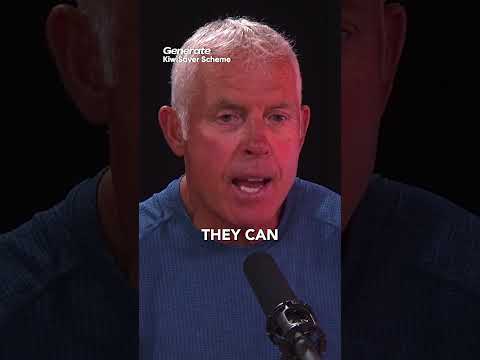
Barry Magee on his bronze medal from the 1960 Rome Olympics || Runners Only! Podcast with Dom Harvey
Ask about Dom Harvey
Episode Description
EP17 Runners Only! with Dom Harvey & Barry Magee
Big thanks to the sponsor of this episode, the incredible HUAWEI WATCH GT runner. With this sexy device, you will have access to more data about your run than Magee, Snell and Halberg ever had!! If you want to find out just what this watch can do, check it out at https://tinyurl.com/2p9arp7p ___________
88-year-old Barry Magee was, in his own words, only a “decent runner” compared to his training partners in the 1950s. Then again, his training partners were Peter Snell and Sir Murray Halberg. (Barry’s best 5000m time was 13.39 so you be the judge about his talent or lack of!!).
The three Arthur Lydiard-coached athletes went to the 1960 Olympic games in Rome. The expectation was high for Snell and Hallberg (which they both delivered on, winning gold within an hour of each other). But Barry was not even expected to be anywhere near the podium for the marathon.
Due to the heat in Rome, the marathon time was changed to late afternoon meaning it finished in the dark (running on cobblestones with no streetlights). This meant Barry had no idea that he had won the bronze medal when he finished in pitch black in what has gone on to be known as one of the greatest marathons of the century!
This is an exhilarating story of a golden era of New Zealand athletics, and it was an absolute honour to sit with Barry and have him reminisce.
He still coaches to this day and can often be found at the finish line cheering on his athletes. He is a man who has devoted his life to running. This is a must-listen for any history buffs or running nerds.
Listen via Apple Music: https://rebrand.ly/RunnersOnly_Apple Listen via Spotify: https://rebrand.ly/RunnersOnly_Spotify
Who should be on the podcast next? Message Dom Instagram: @domharveynz Email: [email protected]
Video produced by: Dougie Mackie https://www.dougiemackie.com
If you enjoyed the podcast and would like for your business to sponsor an episode, please email [email protected]
Read the full transcriptHide the full transcript
- Harley [Music] [Music] Runners only with dom Harvey and I'm sitting in the Ryman Murray Helberg
- Retirement Village with one of Murray halberg's good mates an absolute Legend of New Zealand running from a golden era
- Barry McGee hello hello can I get in nice and close hi there all right what an honor to be in your
- presence sir 1960 Olympic Games in Rome the Arthur Lydia coached athletes yourself Murray hubby and Peter Snell
- all one it's uh just an incredible chapter in New Zealand history there's so much I want to chat about with you
- today we'll get to you um the amazing relationship with the amazing coach Arthur Lydia later but first of all
- um take us back to 1960 the Rome Olympics first of all how do you get there you fly there you go on the boat
- how do you you fly there right well the thing thank God we yeah we flew there because when when guys like us at the
- time we read all the stories the previous Olympics of a helical Olympics everything often are in in for five or
- six week boat cruise and you know the runners lost talented Fitness and this was it was a lucky dip virtually whether
- they could compete well or do when they got there now we we did flu um yeah we get flu and we had boeings or
- super constellations and things at the time it's and it's so hot and right that the um the marathon started when it was
- like late in the day wasn't it well the marathon yes it's an interesting story of the marathon
- um every if we were in Rome four weeks for the great Olympics of Rome and um when snail and halberg within one hour
- um did something the world has never seen before of turning two gold medals from a little country of two million
- people but every day the temperature was something like 28 degrees every day but
- it was what was beautiful Mediterranean heat that was the difference it wasn't humid heat like Auckland has we have
- humid heat in Auckland but it was beautiful here but it was hot hot and um the thing was of course
- um it was hot uh now the week before the marathon was the 150 mile cycle race uh one Rider
- dropped in during the race probably with the heat uh the suspicions around the village was
- that he'd probably also on drugs right were they were performance enhancing drugs the thing even back then in the
- 1960s really absolutely yes they were yeah I mean some of those Russian women they had more here than you have
- I mean yes male steroids and yes I don't know if ebo was around in those days but
- yeah oh no this this was part of it yeah drugs drugs were ripe and um in Eastern
- Europe particularly I have never seen a drug in my life Thomas I competed for 54
- years as a runner and I've never seen one but they were everywhere but because of that cyclist all the marathon
- managers or the athletic managers have probably 50 countries in the world went and protested and said we will have a
- run or die if you're going to race them at two o'clock in the afternoon in in Rome In the Heat of the day yeah
- heat yeah two o'clock it was it was 28 degrees and um hot hot so they shifted the time till five o'clock
- now at five o'clock and at that time of the year September in in Italy it got dark about 6 30. so um we knew we're
- going to rain now running half the race in the dark and I can tell you it's very hard to see
- Africans in the dark it's an honest statement but um but anyway they they convinced the officials
- the Olympic officials yes no we will change it we'll change it to him five o'clock and make it cooler because
- it it was more like 18 degrees only or 20 degrees or 22 degrees often at that time of the day or whatever it might be
- and um yeah and so but every day we had about 30 days in Rome and 29 of them uh was 28 degrees
- the interesting thing was the day of the marathon it was 23. oh what are the chances so what are the
- chances there right so so the so the Run starts um starts 5 p.m what um it gets dark at 6 30. so yeah how long did it
- take you what was your time to 2017 2017. so the last 45 minutes and the last 10K is down called via apia
- which in QE language is the Appian Way Epping lead goes right down and from way out 10K out
- um down into into the city of Rome and um it's very very spectacular because you ran past the Coliseum you're
- in you know oh and and all the famous things that we've found all the famous parts of Rome it's a very historical
- city um but yeah but the thing was there's no street lights in the airbn way not not
- to ever and everybody every every every kilometer there would be a hundred meters of
- cobblestones cobblestones are terrible to run on they're raised about they go curves about three inches high or
- whatever you know five six centimeters high and uh but the thing is what they had done to try and counter this
- um they had Roman soldiers posted for 10K about every 100 meters down on each side
- of the road with a flaming torch so it was quite spectacular right so that's not going to give you much um light to
- see where you're going but you can just see you know the root virtually it was virtually no very little light yeah very
- yeah it was like running just a bit nearly pitch dark but it was dark you could just see the road in front of you
- but the thing is on the cobblestones you couldn't see the cobblestones on the razor
- um I think I prayed all the way every time did you feel like um like change your
- gate or anything to yeah oh yes oh yes yes no I I shortened us I have the stride every time we hit the Cobblestone
- but I was chasing um radi and and killer the um who entered golden silver medalists you see the
- Barefoot Runner yeah the winner was a Barefoot Runner so it was a historic historical marathon in in the fact that
- Tim was the first African to ever win a gold medal in athletics um and the first athlete to ever win
- America a win a race in bare feet in in Olympics yeah that kind of been nice on the cobbles and yeah that Rome Olympic
- marathon is rated about the second or third greatest marathon of the century and um so I feel encased in history
- really so what place were you in when it got when it got dark when you finally lost
- light um well I started I started the race very conservatively um generally speaking you know a
- distance runner in his early days he goes out and the gun goes and he goes but along the way you learned some very
- hard lessons um it's not how you start with count that's how you finish so I started very
- conservatively um I don't know the 60 or 70 in the race and it's probably at halfway I was
- probably about 20th right um wow about 20th and that but the thing was I was moving
- through you know and and then I was up to about 10th and then by the time we hit
- um 30k 30k Mark um so it's still light then it was dark enough it was dark by the
- end of the 30 Kmart um yeah the Russian champion who had run the fastest marathon in the world pop
- off um yeah he caught he caught you know Julian and packet and McGee up out about
- that I don't know about the 15K or 12K Mark perhaps the 12 came out I said to I said to I couldn't Julia I said we've
- got to go with the sponge out and um I didn't have a clue who they were but there's about six guys that just went
- straight past us so we jumped on the back of them and that made about a bunch of about nine
- but that nine became eight seven six five four three two and the time we got to about thirty thirty two k there was
- only only one guy with me and I looked at his singing that I could see who was a Russian and found her after his
- pop-off he was one of the race favorites and uh fastest marathon runner in the world or something that year and um
- yeah and it was just him and I and then there was a string station came up just as we turned Ethiopian way
- and he veered to grab a drink off the drink stable because there was water in his Coke or something you know the Civil
- drinks that you could have a selection of and um yeah so he could he beard and I sprinted
- 10K to go I took off and um I just did it you feel good yes I was feeling good yeah what I'd done
- um up to that stage I was in control because I call you know the secret of success really is control control if you
- lose it too early your food fast too early uh you blow up and and once you're blowing up you're gone and it's history
- so um so I started my run at 10 at 10K I had to go and that was so that was the best thing I could have done
- what I didn't know was what place I was in see they every 5K all the officials were out there calling times an Italian
- you know we had no such thing as a digital watch I looked at my watch you know and I
- could see it was 20 past six or something because there's no no other swatches in
- the world in those days but I didn't know where I was um and so I just I just put my head down
- and I went for it every now and again I'd say flash bulbs going up ahead I thought that's a good sign because that
- could be the leaders that were up there yeah and so that's that's and that's the
- way and I just kept going and kept going and um managed to get up there but see so when
- you finished you you you weren't aware that you'd won bronze but you must have thought you were there or thereabouts
- yeah I had no idea what place I was in because you know the thing is because it was dark that band all Spectators from
- the course so there was no one you could yell out to on the longer of course and
- all these officials are so they called your times every 5K in in Italian that didn't help yes and so you couldn't talk
- to them and say what where are what place am I in you know as you went past those the ring stations so no I never
- never had a clue um so I had no idea when I crossed the Finishing Line where I was
- and all of a sudden you know there's a big about two meter guy and beside me um who'd jumped over a barrier raced out
- and you must have been I don't know if he's a hockey player or a New Zealand thrower and he slapped me on the back he
- said well done very well done you've done great that's good that's good I said where am I
- and he looked at me if I was a bit stupid and said Barry you finished you're finished it's okay oh he thought
- you were Delirious or a philosopher right right where am I you know you're at the finish of the Olympic Marathon
- Barry was his thinking my thinking of yours we were am I welcome to this place yeah
- and there's a Silence about 20 seconds he looked at me but he's give me a hug and Barry
- you've just got the bronze congratulations I probably had a tea happen in my eye at
- that time it was because it was thank goodness it's like you would know the relief that you feel when you've
- achieved or done something or as compared to failure you know we've all been through failure were you a metal
- hopeful do you think at the start line when leading up to it what was your expectation I probably wasn't rated in
- the first Twitty yeah really wow world's rankings and world class here will standing the year before was in 1959 I
- think that's when you made your Marathon day burn it was like two hours 30 or 2 hours 31 about 2 36 yeah how yeah how
- did you lose 20 minutes in a year training just training yeah I mean Lydia do everything that was the difference we
- had the greatest coach in the world that's brewed by Snell and halberg and um two you know two absolute champions
- they're incomparable still today you have no idea how great yeah um look about four years ago when Snell
- was in New Zealand and he gave some medals to te Papa um you publicly thanked me
- in front of a hundred people I think I had tears that day and he put his arm around me standing there with a
- microphone and said this is the man that made my gold medals possible because he
- did the 100 miles a week with me when I had to do the work and I went to the same every night and that was a very
- nice compliment but Snell as you know with the athlete of the century for New Zealand I mean you know I wasn't worthy
- to tie up their shoes oh come on come on honestly now there's no comparison no other athlete in the history
- the great people of history and you know three Olympic gold medals two Commonwealth gold medals some seven
- world records for Snell and I mean halberg halberg today would be running in the disabled games with
- his crippled arm he only had one arm that worked properly and that was it because of a football accident when he
- was 15. you know that was with the dam in our first trip away in New Zealand in the Auckland rep team for cross-country
- we cut a bit we cut up his meat for him and tied his running shoes on and so we had that was Annette halberg
- is that being an overcomer you can see you know to me he is just about the greatest athlete ever yes he writes with
- me so it's incredible honor and I'm right that I'm even living in in a village named after him because when we
- came here into this Village it had no name it had no name what the um the funny thing for me is um there's a
- there's a block here in this Retirement Village the Murray public Village um that's named after you but you're not
- even you're not living in your own block [Laughter] um I had to do some fast talking
- because they said Barry um you're going to be one of the first tenants in the village
- um yeah so yeah but see the thing is it wasn't called by any name when it came in it was a street name uh when we came
- we we bought it off a plan and it had no no real name whatsoever um but then they came to see me after
- I'd been here about six months and said we're naming your village and we're calling the Murray halberg
- Village and um we think and you are one of the people that have been they've told us about
- um where we're going to have them named the blocks of the apartment blocks are going to be named after athletes to tie
- in with idiot and halberg Etc now um it it would be fine with you wouldn't it if we named your block the McGee block
- and I said no why why why did I said there's 40 apartments in this block and I don't want 39 people complaining and
- moaning to me every time I see them I'm living in live lock and so I said no you
- know another [ __ ] if you want to after me and I said thank you but no thank you
- and so I turned down that offer wow I've got a I've got a far bigger ego than you
- I would have been okay with it you have a Harvey Block oh absolutely 100 100 okay so now I know um this is
- this is this is your podcast and your story but um um I feel like um yeah we need like a
- hat tub to um Arthur Lydia I I feel like he um in running circles everyone knows
- about the lady it is but outside of that I think if you ask most new zealanders they probably wouldn't know the name I
- mean the man's an absolutely it is Criminal um yeah no it's a very sad story you
- know with Lydia that he never got the recognition really in New Zealand um well he got some recognition that the
- time he was about 60. yeah about 60. but when he's going to the Highlight years or the great years
- um he had problems with the administration of New Zealand and um they more or less said um
- no upstart coach is going to tell us what to do so that was Wellington and the administration right they weren't
- happy with Lydia because he called a spade a spade he called the fool a fool and he could he organized the egg for
- two of the rothman's tours of New Zealand he he did the whole lot himself he could do anything how was it was
- their Talk of the rothmans to it well the first the first tour was the rothman's tour that's when the Olympic
- Champions came world record holders came and Lydia had arranged at all did everyone get some of the sponsors
- product that was at the time I'm working for announcements we had Bert Sutcliffe
- right we had gone we had the great footballers the great they employed everyone not that they have to work for
- rothmans they were just Goodwill agents going around the country helping the schools and helping with support all
- over the country in the erathman cars that's hilarious so that was the advertising because they're amazing they
- had the money at the tobacco companies yes so so how old were you when you met Arthur Lydia how did that come about I
- was 17 17 okay I was 17. I had a coach I joined the Wesley area Club when I was 15 in Auckland uh which was the
- Methodist Club of Auckland connected with Bible classes and that and I went to this Methodist security Methodist
- Bible class and one of the guys said um because well I was playing rugby at the time and I hurt my finger had Evan
- splint for six weeks so it was purely sort of like by an accident um this Bible class manager mine said
- Barry come along and have a run for the harriers on Saturday because we're going to have a run from
- our church and he said what's more the Bible class girls are going to put on afternoon tea
- and some of them are pretty neat so are that cure for us to run that or the afternoon tea
- probably most probably the girls yeah yeah yeah yeah because at 15 I was just starting to take an interest that they
- weren't as bad as sometimes their reputation to find out it's on the boys so I went and had my first run never
- played another game of rugby in my life again it's how it was and so that began and so that was 15 17 the club Captain
- was also my coach he said Barry I think I should pass you on to another man to help you I think you have
- some potential I would like to introduce you to a man called athletid who runs for awaraka and
- um if he will take you on that would be good and the rest is history so 17. so what
- year was that it was 19. 51 right 1951. so I'm 87 now yeah and it's 51 I'll be 88 in two weeks time but um yeah so he
- said come and see me tomorrow I mean the first when I was introduced to him it was in Hamilton we just raced Around The
- Ridges road race and he'd run in the seniors tonight running the Juniors and I was introduced to him and um he looked
- at me as if I because he's only about five foot seven I suppose and I was gigantic five foot
- eight and a half but he looked at me and said son he prepared to run 100 miles a
- week at 17. yeah 17. if not tell me now because you're wasting your time and mine
- if you're not well I kind of remember answering him but what I know is the next day if
- Sunday afternoon I was sitting at his kitchen table well he he was writing out my first training schedule which was a
- hundred miles a week of 160k a week 160 k a week at 17 and that's what we all did what did your um what did your
- parents have to say about that um well the internet well um yeah and I got to be careful here okay
- um at the time when I met Lydia my dad was lying in hospital dying from a work accident
- I lost my dad at 17. and um still I can still feel it um it was painful and the fact that he
- never saw me have one race in my lifetime yeah he was in the Heartland Hospital about two months
- um I accidentally paralyzed his back and he laid there for two months in the Auckland hospital and then passed away
- when I was 17. um and at that time was the very time that I met Lydia it was the very time I changed my job
- also right and the interesting thing was that Lydia and my new boss I was a fourth I was a
- grocer at the time a grocery boy or working in grocery shops they both told my mum we will help you
- look after Barry oh I mean and that carried on with our lifetimes or their lifetimes in a sense
- do you think um Arthur to you is like um not just a coach but like a I suppose like a father figure yeah yeah oh yeah
- see what he wasn't until all of us in a way yeah his home was open we could call
- him day or night yes married man with four children and he worked a full-time job he's
- Foreman in a shoe factory and yet he had always had time for the runners sometimes you if he was sowing potatoes
- in his garden on a Saturday afternoon when you called in yep that's fine come and talk to me
- Barry yeah and he wouldn't stop he'd just keep digging his potatoes but he always gave you what you wanted or
- needed yeah and he was a master of Psychology was he how do you mean well in fact he knew like a good school
- teacher should how to handle every type of Runner that he was looking after so right I mean Helberg would tell tell me
- 20 years later after he'd all retired he said I'd go around to the coach's house
- he said and the coach said look at me Lily the answer would look at me and he'd say
- I'm married did you see what Barry did in his training last week he did a three-mile
- time trial and this this this and Mary said did he yeah now they would say yes Mary you've
- got to watch your back this guy is coming he he's improving all the time Marion said I'd go home put my shoes on
- and go for an extra all that day such was the psychology Lydia does a master how come on how good so um I mean
- obviously like an incredible coach um yeah if this one like in terms of natural Talent how naturally talented
- were you three boys they must have been like a fair bit of natural Talent there was there well no was it just hard work
- it's hard to write this potential of natural Talent um yes snail Snell had outstanding
- natural Talent yeah um it's only going to get you so far though isn't it yeah only so that's right but
- um but the thing is by 23 years with Lydia at age 20 and he wins an Olympic championship this was the potential he
- had but the thing is for you know it depends what you're natural um it's hard to compare Nick Willis when
- he was 18 could run a 4-1 mile smell of 18 could run a four 21 Mile so the bulk of what Snell ended up being
- and doing was made by a lydian right like the people like Willis are what I call Naturals Helberg was a sort of
- partly natural and partly just about supernatural yeah when he had that accident with the arm
- he was when he came back because he if they hadn't have operated and they took out
- two liters of quart blood um clot of blood out of his shoulder he would have been dead
- but he came back with a fighting spirit that is beyond human nobody he was invincible in the spirit in the mind
- right right nobody yeah and it was even greater than Snell's yeah so the spirit oh goodness Endeavor it was it was it
- was beyond human and if you read a lot of history of Champions somehow they've overcome I think difficulties that most
- of us have never faced an ally but they have a spirit that's unbeatable it's over their dead body and they they
- you know we we give sort of 100 in the race they give about 110. but hell but that's but salberg and Snell were just
- um they deserve everything they have got in and accolades or yeah yeah it was that
- halberg has got had the mental capacity that wow I was like unbelievable but the thing is
- like anyone anyone um first of all that's good enough to get to Olympic level let alone you know become a
- medalist I think you all must have um like a certain level of mental toughness or mental tenacity and the
- fact that you sitting here talking about how big that way all of Arthur's boys got it everyone he coached yeah they
- they got mental because that's what he taught that's what he taught um if someone pulled out of a race they
- didn't contact Lydia for three weeks not too scared too oh is that right well that was failure right that was
- failure and what um what would he would he tell you off or like why were we while we skipped talking I think you'd
- get a lecture right okay you get a lecture because um and you know one of my quotes to all my Runners I coached
- about 30 runners in New Zealand and all around the world and um I'll quote yeah every winner
- is a finish up and every finisher is a winner right if you finish the race even if it's last place I'll tell my Runners
- I'll be the first to bet you Pat you on the back and congratulate you for finishing the race because to give in
- and give up that and Lydia's ways was failure right that's what he taught us yeah and um often you know races we got
- first second and third his voice in fact Lydia was I mean how good he was is you're only going to look at the
- results uh right through the 1950s or 10-year period of Athletics in New Zealand in the 50s 60s 10-year period
- where every New Zealand Championship there was five gold medals up for grabs Well we'd call these days the 800 1500 5
- 000 10 000 Marathon Arthur's boys won 45 of the 50 in 10 years remarkable we absolutely dominant yeah do you think as
- well as the um coaching of um Arthur Lydia that was um the competitiveness of you know you three guys in particular
- like pushing each other did that that must have played a part to the success as well
- um yeah I raised halberg I suppose from the age of 17 to 30. probably about 100 times right the score was 92 to eight
- and I'll guess you guess who who won the 90. the 92. so he had eight off days I'm sorry
- we had the cold or something I never had the satisfaction and um I did some great races overseas in
- Internationals and um first New Zealander to win an International Marathon or putting their football
- worker in Japan um no hellberg no no bailing no still no [ __ ] it don't you no no
- yeah so you'd go out and it was it was so wonderful to get away from them I could I could start at an Auckland
- Championship would get 50. yeah I could go to Japan and win that's incredible and um yes speaking of that so it's um
- it was a very different era so you mentioned before that you were working at Foursquare so when you went to the
- Olympics into Japan um you you that was on your own money right you you take time off work get
- bank loans well um you'll make me cry I never earned one dollar in my 54 years of running not one dollar every time
- every Games Team I'll be in I had to go to the bank manager cap in hand and borrow money that I could pay bills
- while I was away I think because I'd been times for me happening so I tried for the Commonwealth Games in Canada and
- I failed I tried the Olympic Games and in Melbourne and I failed it's my third third games I got there with Cardiff
- with the Commonwealth Games and then two years after that the Olympic Games so it
- wasn't um like halberg he you know he was in both of them yeah so um here he is about
- four months older than me but he'd done two games before I'd even started um such what he had that much more
- ability and he had that much more speed I never had speed yeah Lydia said Barry's gift was a beautiful relaxed
- style he um you didn't he call you I was gonna ask you about this he called you like the ballet dance of the road or
- something that's right what did that mean well he said Barry is effortless Barry
- is tireless he'd run all day and he's and he said that's a gift that Barry has he has this effortless style and that's
- his natural he said because sometimes you've got to try and change this style a bit because they're all hunched up in
- the shoulders or they're not relaxed you know but um now Barry he said that was my gifting was my naturalness because I
- couldn't you know they could thrash me in speed work and stuff snail and Hal Works
- um well come on you're being you're being you're being very modest here I mean they were exactly a taught us they
- could oh no no there was no different no comparison that with it see um yeah Snell could run 200 meters in in
- two in about 22 seconds uh how about could run 23 seconds Barry was 25 seconds so you said yeah
- 200 meters and any race was helbu halberg would put three or four or four seconds on me every time because it was
- down to Natural speed so yeah so that was what was so hopelessly because he got as strong as I was see I got strong
- because of my marathon training and everything that's what made Barry it's interesting the more marathons I ran the
- faster I got over 1500 meters three thousand meters and five thousand meters and ten thousand meters so your speed
- comes from stamina training that's that's one of the Dead principles you say it works so those um those hundred
- miles a week like what sort of what sort of pace was that done at how was it just
- like running as you feel or are you guys pushing the paper specific now Lydia was
- very specific you around you ran different days like Monday was 10 miles Tuesday 15 miles
- um yeah yeah today you'd rather like that 16k yeah 30k and yeah and 20K and 30k and was 40 here with
- yeah weekend long wairaru over the white tax 30 about 35k which is 22 miles in those days all 100 aerobic running which
- means running within yourself right that was the key you did eight weeks of running of getting strong nothing else
- you didn't train for Speed whatsoever but there was no jogging in that virtually no jogging it was all specific
- efforts and training quarter effort RPF at three-quarter effort and um I suppose
- you I suppose you had to sort of do it that way because um yeah I've got probably more technology on my Garmin
- watch now than what you and Olympic bronze medalist had back then it's very specific so you just ran it ran from
- your gut how you feel how you felt well the interesting thing Lydia trained us all for about 13 years uh and uh we were
- at a time a meeting one night where Lydia was giving us coaches a coaching speech you know 100 people listening
- there in Auckland and halberg and I were there now we'd been trained for 30 years
- as both the year that we were retiring but he used people like Barry to speak for five minutes and Albert to speak for
- five minutes as part of the entertainment of the night and bringing his Champions along and um
- after after the meeting Murray went up to help after Lydia and said what's this new language you're talking about
- you're talking about aerobic and anaerobic training I've never heard of it Murray said
- and Lydia looked a bit mystified and uh a bit a little bit sort of concerned and
- Mary said do you mean fast and slow running and Lydia said yes so so there was no racing in training we
- did eight eight weeks of just Foundation strength but with that strengthening work your confidence goes up about 500
- yeah right it builds confidence you go out there and run run the stuff and do the stuff the Lydia way if we'd raced it
- or you know or smashed ourselves in training you wouldn't have it at the end of the eight weeks you might be in worse
- condition yeah but Lydia had he experimented Five Years on himself Five Years on himself to find out what worked
- he ran 100 miles a week you ran 200 miles a week he ran 300 miles a week in training himself and did this all this
- is the wife so sorry I'm just going to back up there did you say he did a 300 mile way yes yeah yeah yeah that's 500ks
- 500ks in a week yeah how do you put that in well we'll never know we'll we'll live it we will live now
- because he's gone we can't ask but you know no he did that's right if you read his story Gareth Gilmore left us 13
- books of Libyan Garth Gilmore the author lifters all the book so it's all in the
- books yeah actually you can still buy these online tour it's available as um like Kindle Kindle books so you can um
- the original sure that's that's the greatest of all you know and that's where Lydia outlines the theories of
- success forever yeah and I I have to come at the Olympic Games in um Los Angeles in 84. I had four days with
- Frank Shorter and these other other Olympic medalists of history now Frank should have won Olympic marathon gold
- Olympic Marathon silver and two Olympics he was a hero for America I said to Frank Shorter what training did you do
- Frank to get that success and he smiled him and said just Lydia training Mary justly did training yeah and I think but
- all the world were following Lydia and they were using his principles not only in I mean Ferguson McDonald in
- their canoes I've heard them speaking uh you know that won about seven Olympic gold medals in the canoe they credit
- most of it to lydian they used his principles all our cycling world-class cyclists
- they used yeah they became world-class because the coach in New Zealand was using Lydia principle
- Rusty Robertson the rowing coach he took the rowing coach to Olympic goals and knights and Munich or whatever and all
- the stuff what training did you do he said lydian amazing left us a foundation of secrets
- that coaches are still using all over the world in all sorts the year before Lydia died I was at his place having
- lunch with him he said to me Barry do you know that today half the world uses our training principles
- he didn't say my training principle he said our training principal is that a humble man oh that's so humble yeah he's
- so honest he would be you know to me he ranked like with Einstein and physique he's a he was a genius of running and
- nobody knows how he knew what he knew also I feel like he doesn't get the credit he deserves and that um I'm
- guessing like an uh you know when you were running in the 1950s no no one really ran as in jogging I mean it was
- competitive Runners and harriers and whatever but there's no such thing as like a fun run like there is now and I
- feel like I'm Lillian so I got a lot to do with that like the birth of jogging in New Zealand yeah well he bursts
- jogging in the world right he was talking in the world um he introduced it to New Zealand as a
- health thing for everybody at every age um yeah I had a good friend at about the
- 1950s now the 1960s he went he could have a heart attack he went to his doctor he was age 54. he had a heart
- attack his doctor told him never to walk upstairs again and never to mow Alone Again
- Lydia said absolutely wrong of the 1960s he he had what he called the heart foundation running at the YMCA
- twice a week and he all the people with heart attacks came and and he coached them and three years later they all ran
- the Hawaiian Marathon the hotel Marathon because he said no the heart's a muscle
- yeah so the medical world we're doing the opposite they were saying no you just be careful rest of your life and
- you might live umpteen years Lydia said no you just conditioned the heart again and restore the heart and if I've talked
- to numerous people I mean one of those Honolulu tours yeah Lydia deny and Richard Taylor were two leaders yeah and
- I talked you know there's about 70 people lined signed up and we went to Honolulu I talked to lost them yeah they
- said yeah when they started exercising A Whole New World opened up their whole world came back to life again yeah and
- to be running a marathon after you'd had a heart attack three or four years before phenomenal phenomenal yeah yeah
- but Lydia and a room you're a doctor put put a whole package together to restorecus's room this room you're a
- doctor I can't even remember his name now he decided that um now people didn't have to sit around and die like the
- medical world advised at the time so Lydia founded jogging um it was a man came out from
- America and he took it back oh yeah I was going to ask you about this so this is um Bill
- Bowerman who was one of the co-founders of Nike uh so he came here at 63. you were you were yeah you were you were
- still around then well I met bill belman when he came to New Zealand Arthur invited two or three of us as Olympians
- to go and meet Bill Bowman on the Sunday run with the Auckland joggers that him and Colin K had founded had founded the
- Auckland joggers and so there was 50 50 joggers turned out Sunday morning and we
- all went up and had a run with Bellman who thought he was pretty fit and his joggers yeah age 50 60 and 70. just left
- him for dead he's got the shock of his life and he said America is America is we need this too United States He said
- you know every week in the United States he said there'll be a crowd of 80 000 people watching a football game
- they all desperately need exercise is it down on the field there's 30 players playing who definitely who desperately
- need a rest he said we've got to change things in America yeah it's so it's a Bill Bowman yeah the
- co-founder of um of Nike and uh I think he's famous for making um making like Souls of shoes in his waffle machine
- waffle yeah after waffle machine yeah so what so what if he come to New Zealand for just to basically pick other Lydia's
- brains is that that yeah to meet Lydia yes he was somehow impressed with Lydia and he wanted to meet lydian and at the
- airport when he was going Lydia had said built get into running shoes there's a great future in running shoes
- and now a friend one of the boys I coached um four years ago I remember he um he became marathon runner distance
- Runner he and he worked for Nike I said what what did Nike earn last year he said 12 billion
- you can see why they've got the Tiger Woods of this world yeah yeah they just pay people Millions it's nothing it's
- nothing it's all just advertising the bill Ballard yeah I mean he's dead now but he would have left him yeah but he
- he and and then it it went all over Europe and um it had been all over Europe with the jogging yeah so jogging
- restores health and mental health and spiritual health and physical health and everything it helps everybody
- um yeah while we're on Nike um like what do you think of the um current state of
- shoes first of all like what were you what were you running in the 1960s what were your shoes like
- can you describe them well do you want a good laugh yeah go on the shoes are around the Olympic
- marathon in in the Roman Olympics were bowling shoes we had no running shoes in New Zealand and with all of us
- like hellberg and of my era and age same age group we probably did five six seven
- years in what was called Sanchez or tennis shoes right tennis shoes they're canvas uppers and a rubbery sole
- underneath yeah I remember I had them as a kid you see them from like power or rather and places like that yeah yeah
- made made them Tyra para made them or Robert Factory and yeah but so yeah so yeah so it's the Olympic Marathon
- Lydia made at his shoe factory the spikes for Snell and and he raid the marathon runners we
- ran in his Marathon shoes uh he made them for us which is a bowling shoe last was he said that was the nearest thing
- ever I had for runners and and I just glued a heel on because they were dead flat because bowling shoes on the
- Bowling Green weren't allowed to have heels so he glued a rubber heel on the back so that Olympic gear so these days
- the shoes because I've I've got some um I've got some Nike shoes that I say for races and they are they are remarkable
- yeah yeah they are incredible like yeah yeah if I'm doing a 5K time 12 or 10K time trial they'll they they're
- definitely worth yeah I don't know 30 seconds on well they they um on a track race like
- credited a second lap uh you know 25 seconds that would be in a 10K just yeah to choose uh some say more
- um now the differences here they got carbon fiber and salts and the springs that you you put your foot down and it
- helps your foot to Spring Forward yeah there's so much energy you try and um every on my Runners now in New Zealand I
- know that are using them uh they do personal bests every every time they put them on
- how do you feel about that do you feel like it's some sort of uh there's a phrase that's been used called like um
- shoe doping do you feel like it's um because I feel it's one of those ones that say everyone can have access to it
- yeah well technology yeah has now overcome training it's it's greater than training right
- um a top New Zealand coach um I was talking to two years ago said Barry you're 217 in Rome would be 210 today
- just with the technology of shoes and also nutrition nutrition yeah you have carbo squeezies and things on the way
- that would make seven minutes difference to any marathon runner today so um so someone that's right like Paul Bellinger
- around 210 in um way back in 1980 um yeah that would be 203 so you know you're up there in any world-class
- Marathon yeah technology is it's the big winners of Technologies what a dumb what
- did you used to eat just out of curiosity like the morning of the uh let's say for lunch on the day of the
- Olympic Marathon what did you eat um haven't got a clue now what did you have on the wrong was it
- okay honey did you have like honey and water or nothing no absolutely nothing in fact the nutritionist nearly paint
- we're not I've done hundreds and hundreds of stories and you know um testimonies whatever going around
- schools yeah clubs I've done hundreds and hundreds and hundreds and hundreds of medals there was speeches speeches
- and speeches and that and um um we had nothing [Laughter] was just so simple then no technology
- um just about the seafood diet seafood and you ate it your Seafood that's right yeah I mean Snell would
- help yeah touring Europe you know you'd see snow and how big and I was standing outside a bakery you know at 10 30 in
- the morning having a pie amazing anywhere in the world you know so yeah no um but yeah today yeah the
- technology of every shoes and yeah I get the I get the sense that you're almost a little bit annoyed by it
- like you you feel like it's an unnecessary distraction for the athletes you coach now
- um well the thing is they can be dominated by a watch and not by feelings in the heart and the spirit and their
- mind and their brain oh 100 yeah and and the watch tells me that my yeah my pulse
- rate is is 15 above what it's supposed to be for this they Panic or something Lydia taught us all to go by feeding
- all my feelings and how you are and it taught us with everything with no technology but today yeah it takes me on
- for one to two years to unwind people from their technology and their watches Lydia wouldn't even wear a watch in
- training it or a race he wouldn't wear a watch no he said that he said you'll start running with a watch he said
- you've got to run by the conditions you run with the competition you run with the race you run with everything that's
- in you but not the technology doesn't really count so I would listen to times on the way in races because a lot of
- them you did that one lap two lamps three lab on the track races um or your five mile ten mile time in a
- marathon um but it didn't make any difference to how I was running so the thing was your your challenge was
- to get the best place on the day that you could get under the conditions prevailing and no technology whatsoever
- but say it takes me off in two years to unwind Subway yeah because these are a lot of these academic Runners too that I
- coach some of them are doctors and accountants and lawyers and goodness knows what as well and they're the
- hardest ones to unwind from their technology they love their technology um but the technology runs their life
- and they they don't enjoy half the fun of running that we always had you know we just ran we just run and you wouldn't
- have had music either no oh no yeah nobody ran with music in those days good old-fashioned though yeah
- absolutely but Finance was was perhaps a huge problem so I never earned one dollar the four games I went in I had to
- get I had to get loans to support the family the wife and the children to pay the mortgage and everything was away for
- six eight weeks eight weeks at a time um yeah that was it was it was a different time it would take me six to
- 12 months usually to pay the bank back uh for representing New Zealand but we did we did get paid you know when we
- were away we got 10 Shillings a day that's a dollar a dollar a dollar a day wow that's a joke today one dollar a day
- out of pocket expenses and um there's another thing I wanted to acknowledge you for and you've you are
- the first man in history to run uh sub three uh marathons in five decades 1950s 1960s 1970s 1980s 1990s how old was the
- how old were you with the Last Supper how did you find that out I throw it online somewhere yeah first man in
- history to do that no no trying to give a ring from the mayoral institution of the world in 2001. uh to say I just
- thought I'd note it for you is an Englishman and he said he was a statistician for the world marathoning
- and he said I just thought it was an interest to you to know you are the first man in history to run sub three
- hour marathons in five decades five the fifties the 60s 70s 80s yeah because when I was 64 around 248 Marathon at 64.
- no way four minute k-pace yeah yeah unbelievable that is mind-blowing you've you've read my book um it took me years
- to to get under three um and that was my mid-40s yeah 64. yeah that City in training early
- training you how to get fit how to keep fit how to add a peak you went you went doing 100 mile weeks in your in your 60s
- they were you no no no when you're older you you change it to a time yeah and so
- if I did 10 hours a week you know when I was um 25 um and I still did 10 hours a week when
- I was 60. um yeah it would be 30 or 40K a week yes yeah but it's still the time yeah so you
- run it slower and everything was slower but yeah I mean you were running in age groups and things like that as you get
- older and so all the fun was there all the competitiveness is there but your time told you that um just because you
- could run 10K in 28 minutes when you're 30. um he had 50 you know I was down to 33
- minutes at 50. at 53 I think 53 of the well the New Zealand 5000 M50 when I was 53 and 15 37. wow at 53 and in the 10K
- the next day at 3307 or 33. geez that's good yeah so yeah because yeah I I just knew how how to do it all and it was
- like a muscle memory from just a lifetime of case to a degree yeah yeah unbelievable when did you stop when did
- you stop running why did you stop running um you know 64. I just won my last National
- Title um in invercargill the National ten thousand and got a gold there the silver
- and the 5 000 and the Masters the Masters national championships uh it was about a month after and I was running
- with the um City Athletics Club at the time as one of the coaches and we're running down Mount Eden on on a Gravelly
- path that was quite Steep and yeah and I slipped and fell and I wrecked my knee yeah I did I did a goodness yeah and um
- that was the end of the running of the end of the running because you know I had a cartilage out when I
- was 42 of the knee and then I'd had a trim when I was about 62. now at 69 at 69 it all happened 69. I had to call it
- a day because that knee didn't like running yeah so um she said it's a shame it would have been um would have been
- interesting to see what you could have achieved in your 70s oh yeah well I've never had any ifs or buts yeah
- um just one day I was running the next door wasn't so be it I just took it and um and just went because I was I was
- sort of like 50 coach and 50 runner for all those years in 1968 my man made the Olympic Games and the ten thousand way
- back um so the success of lydian training was always there um I just put on my coach's hat at 69
- and just being full-time coaching from the until now yeah and um it's so wonderful to get an email that says
- Barry I don't know how to thank you I don't know how to thank you the running and training and coaching has changed my
- life yeah and that's awesome that's awesome you get that that's the nicest thing I can get actually a friend
- of mine um yeah she she got personal best through you as well and she speaks very highly of you Leslie Turner Hall
- she loves you yeah yeah you you got you got her down to a really sharp time it's
- um yeah such an impact that you've had on um on people's lives yeah yeah yeah nobody ever used Lydia and had
- forgot that he had yeah he changed it changes people's lives to have someone um I think backward in my school days is
- a good school teacher yeah and I think in my all my years at school I might have had three good school teachers that
- had been on the back and encouraged me because you know the second or second world war kid and um at school all these
- old grumpy retired teachers came out of retirement to teach you um with with one principle in mind of
- discipline they had a ruler behind their back you've got you've got Knuckles behind
- your ear um you've got a strap you know if you know we said one word in the classroom
- and yeah and um a girl would get petted on the head and said oh Rosemary you could do better
- than that oh that's not good Rosemary what you did or whatever and the boy would be out the front getting six of
- the best out of the same this was teaching in those guys was violent and um disciplined and it was
- awful and um lots lots of kids I think they were ruined for life um but the coach is the same you can
- make or break the person okay just input into them you are important you are special are you and your ability
- No Limits yeah whatever you can dream you can do and that if you're following the principles or the rules that I'll
- give you and that there's no limits being big think big you're going to be doing this until the day you die
- yeah he was he was doing a lecture tour aged 87 in America um 87 and um he did a lecture one night
- went back to the hotel sat down and he turned on the TV sat down three minutes later was gone
- yeah that was just like that see on the job yeah um but the man one of the men that was
- on that last tour of Lydia with him doing a lecture tour around America as this famous coach because they Americans
- loved him more than new zealanders do they worshiped Lydia in America and um he took the dead from one city to
- another city and uh he said Lizzy was just amazing a thousand people attended every lecture
- he gave and every city he went to wow a thousand people and Lydia the funny thing the year
- before Lydia died the great coach the greatest yeah I didn't understand yeah middle and distance coach of the century
- in the world a year before he died he said I think I will probably pass on next year
- I'd love to die in America I don't know how is that he's a predicted his idea why did he think that I have no idea no
- idea but yeah Gareth Gilmore told me that right who was his author yeah they were very close yeah and that was an
- Arthur yeah Gilmore told me that I think at the funeral yeah um Arthur predicted
- really that um yeah he would go so so it was 87 on the job still going and yeah perhaps I might be the same because I
- will go I'll go for training anywhere for one Runner yeah I was at the club last night and I had three running four
- runners running and they went they were in the 800 meters at the club and they got one two three and four oh wow yeah
- how do you how do you feel about your immortality I mean you've you've it's been such an incredible life and you've
- still got so much to so much to live for how do you feel about that um now I'm a Christian and Christians never
- died all right we just passed through and go away and Heaven is the promise promise is the prophecy I've got no fear
- in dying I've got no fear of covert I've got no fear whatsoever no um yeah I know
- I'm contented and happy with us now or 10 years time or whatever oh please not now I don't know how to do
- CPR no someone someone said to me yesterday um Barry you'll live to about 107. they
- told me this is on the phone call I was doing 107. I said no I don't think so and
- um no I said no it won't be ahead and said I'm going to live forever I said how come
- I said well I've always been told that Only the Good Die Young I should be living older forever because
- I've always been a rascal I've always been a joker yeah I'd always laughed at life and it just taken the ups and downs
- that they can yeah and that's that's you know that's their life is a gift yeah life is a gift yeah and what we do with
- it it's up to us we can waste it or use it and um I just want to be oh to think that I have used my life to the
- best possible way I feel like we should leave it here it's been um hey it's been
- so good to meet you um what a life what a story and um I feel like um you still say mentally sharp and
- physically I feel like I feel like you're gonna be around for a while yet God willing yeah hey Barry McGee you're
- a great New Zealander thank you so much for your time really appreciate it all right
Brief Summary
Barry McGee discusses his Olympic journey, training with Arthur Lydiard, and the evolution of running technology.
Key points
- Historic Marathon Victory. Barry McGee recalls the 1960 Rome Olympics marathon, where he won bronze.
- The Coach Who Changed Everything. Barry reflects on his relationship with coach Arthur Lydia and his training regimen.
- The Legacy of Lydia. Lydia's training principles have influenced countless athletes worldwide, fostering a culture of running.
- Revolutionizing Health. Lydia introduced jogging as a health practice, changing lives and challenging medical norms.
- The Evolution of Running Shoes. From bowling shoes to high-tech Nikes, the journey of running footwear is fascinating.
- The Impact of Technology on Running. Modern shoes have changed the game, making personal bests more achievable.
Episode highlights
- Historic Marathon VictoryBarry McGee recalls the 1960 Rome Olympics marathon, where he won bronze.“I feel encased in history, really.”7:35Oct 18, 2022
- The Coach Who Changed EverythingBarry reflects on his relationship with coach Arthur Lydia and his training regimen.“Son, are you prepared to run 100 miles a week?”21:02Oct 18, 2022
- The Legacy of LydiaLydia's training principles have influenced countless athletes worldwide, fostering a culture of running.“Half the world uses our training principles.”37:33Oct 18, 2022
- Revolutionizing HealthLydia introduced jogging as a health practice, changing lives and challenging medical norms.“He founded jogging, restoring health for many.”40:08Oct 18, 2022
- The Evolution of Running ShoesFrom bowling shoes to high-tech Nikes, the journey of running footwear is fascinating.“The shoes are around the Olympic marathon... we had no running shoes in New Zealand.”42:54Oct 18, 2022
- The Impact of Technology on RunningModern shoes have changed the game, making personal bests more achievable.“They do personal bests every time they put them on.”44:45Oct 18, 2022
- A Life of Coaching and RunningBarry McGee reflects on his dual role as a runner and coach, impacting many lives.“The running and training and coaching has changed my life.”54:04Oct 18, 2022