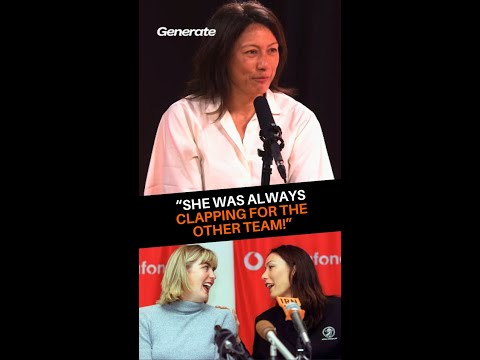
Doctor & World Champ Powerlifter: Dr. Karlina Tongotea on Medicine, Grit & Squatting 230kg
Ask about Dom Harvey
Episode Description
This guest is a total bad-ass: Dr. Karlina Tongotea.
She is not only a world record–holding powerlifter, but also a GP
In her work, she helps people. In the gym, she lifts SERIOUS amounts of weight:
She squats 231 kilos.
Her bench press best is 132 kilos.
And she can dead lift 255 kilograms.
In this conversation, Karlina opens up about the discipline it takes to balance two demanding careers, the importance of family support, and how her cultural heritage has shaped her values and drive.
We talk about the growing sport of powerlifting, the realities of being a GP, and why mental health and compassionate communication are just as important as strength training for long-term health and success.
Dr. Karlina Tongotea is one of the most inspiring and driven Kiwis you have possibly never heard of so this was really cool to connect with her on the podcast to learn more about her. She has such good energy, and I hope you guys like this one.
***
Massive thanks to my long-term podcast sponsors, Generate.
If I could ask you to do one big favour — for me and for yourself — it would be to consider getting KiwiSaver advice from Generate, like I did.
The decisions you make with your KiwiSaver now could have a big impact on how much you have to live on in retirement. And if you’ve never had KiwiSaver advice before, you could be missing out.
Generate has a strong track record of long-term performance — You can check out their latest returns on their website.
They also have advisers who can come to you and help you figure out the right KiwiSaver setup for your goals — no pressure, just good advice.
I met with one when Generate came on board as a sponsor back in 2023 — and honestly, I wish I’d done it sooner.
Head to generatekiwisaver.co.nz/dom to book a chat
The issuer of the scheme is Generate Investment Management Limited. To see their Product disclosure statement see generatekiwisaver.co.nz/pds Past performance does not guarantee future returns.
And just a reminder — everyone’s situation is different, so I recommend getting expert advice before making any financial decisions. ***
Chapters
00:00 Introduction to Dr. Carlina Tongatier
05:14 Understanding Powerlifting: The Lifts Explained
08:00 The Sheffield Competition: A Showcase of Talent
10:30 Balancing Medicine and Powerlifting
13:15 The Role of Discipline in Medicine and Sports
15:37 Early Life and Family Influence
18:18 Cultural Heritage and Its Impact
20:57 Education Journey: From School to Med School
23:43 Experiences in Medical School
26:13 First Days as a Junior Doctor
28:56 Challenges Faced in the Medical Field
30:32 The Importance of Compassionate Communication
33:48 Building Trust and Long-Term Relationships
37:19 Lessons from Middlemore Hospital
39:52 Transitioning to General Practice
42:22 Misunderstandings About GP Work
45:52 Burnout and Coping Mechanisms
50:16 Addressing Mental Health Issues
52:43 The State of the Health System
55:18 The Role of AI in Medicine
56:24 Journey into Powerlifting
01:01:00 The Power of Music in Competition
01:02:03 Mental Preparation and Positive Self-Talk
01:02:59 Drug Testing in Powerlifting
01:04:47 Diet and Nutrition for Athletes
01:06:45 Training Regimen and Commitment
01:10:27 Balancing Work and Athletic Pursuits
01:12:25 Representing New Zealand and National Pride
01:14:04 The Future of Powerlifting and Coaching
01:16:33 Defining Success and Personal Goals
01:19:20 Mental Health and Coping Mechanisms
01:22:54 Habits and Personal Growth Who should be on the podcast next? Message Dom Instagram: @domharveynz Email: [email protected]
If you enjoyed the podcast and would like for your business to sponsor an episode, please email [email protected]
Read the full transcriptHide the full transcript
- Oh, good. You're here. Come on. This is the center of performance. Whenever there's a top performance in New
- Zealand, it all comes from here. That's Lisa Carrington. She's been doing that for days. That's the boys who got the
- hole in one in to Hey Finn, how's the performance going? >> Top tier. >> Nice. This is our generate room. In
- here, you'll find our top performers helping Kiwis maximize their Kiwi Saver investments. Get in here, Finn.
- Maximize. Generate. putting performance first. >> Dr. Carlina Tonger, welcome to my
- podcast. >> Thank you so much. I'm so excited to to be here. >> I'm so excited to have you here. We'll
- just get you closer closer to that microphone. >> Close. Yeah. >> So, um I got an email from your mom.
- >> My mama. Is she she? >> No, not >> so uh I've got part of it here. I edited it, but um it says Kadom, I am the mom
- of two-time world powerliffter Dr. Karina Tongatier, born and bred in South Oakland from a family of five. Karina
- started her powerlifting journey six years ago and stepped onto the world platform representing New Zealand in
- 2023. I hope you would see the benefit in having her on your podcast to inspire others to have it all and not to have
- take one or the other academia or sport. Nami for your time, Joe. Proud mom. >> A
- >> I think that's the first time I've had an email where someone's used the word
- academia as well. >> Yeah, we're smart cookies. >> But um that email when I got that, I
- thought that's that says a lot because here you are. You're um a grown woman yourself. You're a doctor. Um you've got
- this career and stuff going on but your mom's still >> um yeah hovering around like your
- biggest fan. >> Yes. >> Taking care of business. >> Yes. Mom and dad, the whole family
- actually are uh helicopters in my life and ever present. Um I'm so blessed that I can have their support because you
- know it's very busy the sort of two paths that I've chosen. Uh, and so to have their support and have their sneaky
- emails to amazing people like you, uh, you know, it's it's so great. >> It was so cute. It was the cutest thing.
- So, I got that email, then I looked you up and I was like, "Oh, that's adorable." And I think I think it speaks
- volumes like the success that you've you've got in life now. um that sort of self-belief was probably installed in
- you at a at a young age from the way you were you were parented and you know that
- reflects now in emails that your mom's sending on your behalf >> even though you're how are you in your
- 30s? >> Yeah, I'm 32. >> Yeah. So, no, this is not the first sort of um email or action of uh support and
- belief from mom. Uh they have been this way for my whole life. >> Oh my god, it's like equal parts like
- mortifying. You did what, mom? But also so cool. >> So cool. You know, I couldn't be, you
- know, the first thought was like, "Oh, that's like slightly embarrassing, but also it's the Dom Harvey podcast." So,
- thank you, Mom. Like, absolutely, I want this opportunity. >> Yeah. Once I once I Googled you, I was
- like, "Oh, [ __ ] Absolutely. I'd love to have her on. She's amazing." So, we're
- going to go through your whole story, but first of all, um I feel like we might need some almost like a like a a
- glossery section to, you know, because a lot of people won't know what you do and
- so we'll sort of break it down a little bit. >> So, you're the current world record
- holder for the squat. >> Okay. And you've got the World Games coming up in a couple of weeks.
- >> Exactly. >> Yes. What are the World Games? So the I mean I only just found out when I
- qualified last year, but the World Games is a multis-port event and it's supported by the IOC. So it's kind of
- connected to the Olympic Committee. Um I guess you could think of it as the sports that are not really at the
- Commonwealth Games and all the countries that are not at the Commonwealth Games.
- So there's uh 60 different sports and this is the first time that classic powerlifting will be in it. Uh so it's a
- first for us. We're very excited and we're kind of hoping that it is almost like a uh audition to get into the
- Olympics for our sport. Um yes, because we've got some heavy hitters in New Zealand. Uh not just myself.
- >> Yes. You're doing um incredible stuff on the world stage, but most people probably wouldn't know wouldn't know who
- you are or what you're doing. >> So So powerlifting uh what is it in simple terms?
- >> Yes. So it's uh three lifts. It's uh the squat, the bench, and the deadlift. So
- at no point does the bar go over your head. That's Olympic weightlifting what we see in the Olympics. Um so yeah,
- those three disciplines and you basically just lift as heavy as you can. So because the bar doesn't go over our
- head, we can generally lift much heavier weights. Um so you know my record squat
- is 231 kilos. So uh that's very proud of that and wanting to push it. But um that's pretty much powerlifting. It's a
- a very niche sport, but it's growing. It is growing. I guess like I've made it here so hopefully more people get to
- know about it. But um as with many sports New Zealand you know we are such a small country but we really stamp our
- mark on certain sports and we do the same in powerlifting. We're quite famous in powerlifting.
- >> So um yeah there's the three lifts for powerlifting as you said squat, bench and deadlift. Yes.
- >> And they take your weight for all of them and they combine them. >> Yes. And then you get a total uh uh
- total weight. Um and that is how you win at the end. Yes, I should have said that.
- >> Yeah. So squat you um I think most people probably know this, but just in case on your back down until your um
- thighs are parallel with the floor. >> Yes. And then up again. >> And then up again. And you get three
- tries of each. So you kind of work your way up through the competition. Um bench
- press is laying flat and obviously bringing the bar down and then back up. Um and then deadlift is just picking the
- the heavy thing off the ground. >> Yeah. >> What are the rules with bench? Like are
- you allowed to arch your back? >> Yes. So you you are allowed to arch. Um there's been recently some changes to
- try and make that less because I think people don't really like to see the arch. Um but mostly it's listening to
- commands. So you do have to press it and wait for someone to to to tell you to press it up. So you can miss commands
- and things like that. So there are little rules and nuances for having to follow and keep it to standard.
- >> And what are your personal best in all those three lifts? >> So my um I guess my gym personal best
- for a squat would be 238 kilos. >> What do you weigh? >> Uh so I'm in the 76 kilo weight class.
- So when I'm training I'm usually 78ish kilos. Um, so yeah, uh, but at competition 231 kilos and then my bench
- press is 132.5 kilos. >> Wow. >> And, uh, deadlift is 255 kilos. >> Just think about that squat for a
- second. So, it's basically three times your own body weight. >> Yes. >> Yeah. Yeah.
- >> Yeah. >> And and the bench again, what's your what's your personal best for the bench?
- >> 132.5 kilos, which is Yeah, it's it's pretty good. There's uh there's a a couple of girls who are crazy benches
- and they're sort of in the 150s and then uh and then they would be me. I would be
- right after them >> cuz I think most people that are listening to this, probably men in
- particular, probably know what their what their best bench is. So, it gives them something to compare to.
- >> Um don't cry. >> Do guys um do do you see some guys getting uh >> I don't know, like ego damage in the gym
- or you know what I mean? >> Yeah. Like recently I have because we used to be in a private gym where it was
- just powerlifters like just athletes and so we've moved into a more commercial area and um I regularly see men's egos
- not doing well when uh not even just me um training friends are also training. So um yeah I had uh gosh it was the
- first time this had ever happened. I was deadlifting and it was 160 kilos. It was
- that's very light for me. Um and someone just just came over out of the blue and
- tried to lift it. Um and I said to him before I was like, "Mate, you shouldn't do that. Uh you should probably like
- warm up before you try and lift something this heavy." And he he almost just he didn't break the floor. He
- almost passed out trying so hard. >> It was really awkward. But um yes. >> And is um mansplaining a thing in the
- gym or not so much anymore? Yeah, not uh not when you're in the safe zone of like
- a private athlete gym, but I think it still is a thing I'm experiencing uh at a semi-commercial gym. Um a bit of
- mansplaining going on, but they've learned to stop. >> Yeah. Not to not to f with you.
- >> Yeah. >> And um what is Sheffield? Like I've heard heaps of podcasts with you and you
- talk about Sheffield a lot. What is Sheffield? >> Yeah. Sheffield it's a it's a competition
- almost like a showcase. It's happened for three years now. So, it's quite new. But one of the biggest or well the
- biggest sponsor in um powerlifting SBD um they uh manufacture all the gear that we wear uh held this Sheffield event and
- it's in Sheffield in the UK and they invite uh 24 of the best lifters in the world. So, it's usually uh world
- champions versus world champions across weight classes whereas, you know, I'm in
- the under 76 weight class. So, I would compete against my own weight class. At Sheffield, I'm competing against world
- championship from 47 up to 84 plus uh weight classes. >> So, it's kind of like all the stars, all
- the best of the best. And um the the way you win is by beating your total world record by the highest percentage. So,
- it's it's also fun to watch for people. So, uh the it's kind of the first event where people actually uh travel to buy
- tickets for and really enjoy uh watching these powerlters. Um the first time I went, you know, being so new uh into the
- international space, I was just fangirling non-stop because they're like powerlifting celebrities. Um and now I'm
- going for the fourth time next year. >> When you go there, are you sort of like a rock star?
- >> You feel like it. Yeah, you really do feel like it. you get treated. It's not
- a professional sport, but they do treat us like professional athletes. You know,
- they fly us over. They have us in hotels. We're all eating together and um there's media and interviews and
- afterwards there's meet and greets and you're sort of like, "What the heck?" People want to meet me um and get
- autographs and it's it's a it's an amazing experience. >> When you say you eat together, what are
- you eating? Broccoli. Broccoli and boiled chicken. >> Yeah. Look, some people are eating air.
- Some people are on liquids cuz yeah, it's a weight cutting sport. So, um I'm one of the
- lucky ones that can keep eating actual food. >> That's amazing. Um and you've got a
- partner, Harry. >> He's he's um is he a UFC fighter? >> He is not a UFC fighter, but he that's
- his preferred like training method. Um he is a tradey and welding, but uh we've we've grown up together and been
- together since we were 15. So um he is yeah a massive massive massive support and um especially with the last sort of
- five months of me training much more and working less. Uh he's been a huge um part of keeping levelheaded and and
- getting through it. >> Yeah. You need a supportive partner because it's very timecon I mean you got
- this job this very very um you know high pressure job you're doing um and also this uh very time consuming sport as
- well. >> Yeah. Yeah. And I, you know, I do stop and think, oh my gosh, lucky that this
- is just working uh out so well and that he is so supportive because yeah, I do get home at sort of 8 at night and we
- just have a quick meal and go to bed because we've got to go to work tomorrow. Um, but he comes along and he
- loves it and he just wants nothing but for me to keep going and to keep pushing things. So, I'm very lucky.
- >> Yes. So, your partner, your family, um your job, and your training, and I'm guessing there's not much time for
- anything else. >> Yeah, that's that's 100% right. Um I might see a friend or two once or twice
- a year. Um and it's uh they understand. They understand. And when we do catch up,
- it's really nice. But there's not a lot of time for anything. Um, it's just the cost of of of getting gold.
- >> Um, and medicine and powerlifting, do they do they compete or compliment? >> I think in a lot of ways they complement
- especially in the type of medicine I'm doing. So, I'm in general practice. Uh, I'm a contractor. So, I can have a lot
- of control over what my schedule looks like. Um, and I have an amazing job uh with managers who are so supportive and
- and just want to see me go and sort of win these world titles and come back to work. So, I'm really really lucky. But I
- think they complement each other in the way that both of them can be extremely stressful. Um, and you can reach burnout
- with either of them, but you know, when I'm at work, I'm at work and seeing my patients and sort of taking on whatever
- stories are coming at me that day. Then the next day I know I'm going to go and lift heavy weights for 4 hours and sort
- of offload and that feels really good. So that that works out at the moment okay for me.
- >> And and which one there may not be a direct answer for this but which one um requires more discipline
- >> being a doctor or being an athlete. >> Yeah. Yeah. I think discipline the word
- that word being an athlete. Uh a lot of discipline goes into it. uh because I think when you get especially after a a
- few world championship events uh their motivation is not always there all year round and so all you can rely on is like
- routine and discipline and consistency. >> Um I'm not sure that I need to be that
- disciplined at work. >> It's just googling symptoms, isn't it? >> Googling symptoms and then um
- prescribing augmentum. >> Isn't that what >> Go ahead. you now have a medical degree.
- It it it requires other uh values and um skill sets at at um at work. But I think
- that's why it goes so well because they're two completely different things. But um at work, the other thing that
- sort of helps is, you know, I get reminded of of people's realities every time I'm at work. And so it I think that
- crosses over at sport where nothing is really that bad, >> you know. Um I I have experienced losses
- in sport, but um I think just having been around some like real actual grief and stress and hard times, it's sort of
- like, you know, there's always next year. >> Yeah. It's good perspective, right?
- >> Yeah. >> Yeah, it does. It brings you back down. >> Yeah. >> Well, I think that's the intro done. I
- think that paints a good picture about um who who you are and and what you do. Um so now we can go all the way back. So
- yeah, who who was young Kina? What is what are some of your earliest memories? >> Earliest memories I guess uh growing up
- my earliest memories are net a lot of net family. My parents were my coaches so they really have been super duper
- present in my life. Um just growing up with siblings every Saturday at the net courts we my parents were coaches they
- ran the net club and so sport is just a been a huge part in my life and has never left um it has changed but um it
- it's not that it's saved me from anything but I think in like a prophylactic way it helped me in so many
- ways to sort of get to where I am um in other areas of my life. >> Yeah. I mean, we started with this with
- the email from your mom, and it sounds like she's been that sort of like helicopter presence through your whole
- life, like you mentioned before, uh, her coaching your net team. I think I heard
- in another podcast you did like she was on the the school board. She was at your
- school ball like just watching. >> But you you never had the chance to get into any trouble, did you?
- >> No. I think that was the plan. They were just like, we're everywhere. Everywhere
- you turn around, you're like, "Okay, that's my mom." Um, and she was like that for for most of us. Um, and I
- think, yeah, it just kept us out of trouble. We didn't have time to do anything else but sport and school. Um,
- it was strict like it really was. Um, but on reflection, you know, uh, it worked out in the end and we had some,
- you know, awesome uh, experiences growing up. Uh, so, yeah, I am one of five and so my sisters and my youngest
- brother, um, everything we've done, we've done with our parents and I was they were pretty good at however
- they did it because like I uh always admired them and I never felt like oh walk over there you know don't drop me
- off at school or whatever you know I always wanted them around and I was happy and proud to have them around. So
- even though they were like helicopters that I I enjoyed their their teachings and their company and yeah
- >> did you get away with anything? >> No. Who was the naughtiest? What What was the naughtiest thing you did?
- >> You just not not a naughty kid at all? >> No. >> Who was the bad one of the siblings?
- >> Yeah, the oldest. Always. Always. That's why. So, I was like, "Okay, so don't do
- that and don't do that and don't do this." So, she taught me a lot of what not to do. So, she went through it all
- so that the rest of us didn't uh were not brave enough to uh push those boundaries. But yeah, I remember in high
- school I had this one goal of like I'm going to skip one day of school. I'm going to before I finish school, I'm
- going to I'm going to wag. Uh but I never did. >> I did not achieve that goal. >> Well, it served you well. Yeah. So,
- you're um you're um half moldy, half tongen, so your mum's moldy. >> Yes. And dad's tongen.
- >> Yes. >> Yeah. Um yeah. What does that heritage piece mean to you? Yeah, it is extremely
- important to me and es especially knowing that um I get to put us on a platform for the rest of the world and
- and show them a little bit of our culture. I think growing up my parents uh mom was from Ka and she moved to
- Oakland in around like 18 and dad lived in born and raised in Tonga and moved to
- New Zealand when he was 17. And so they moved away from their roots and kind of they built their own family within
- Oakland. So I didn't have a lot of like blood relatives in the area, but we had this makeshift family of of a whole
- bunch of diverse people. Um, and so I think in that way like I we always me and my siblings always feel that we have
- more connections to be made to our culture, but at the same time like I I I know where I'm I'm from. I know where I
- get all my gifts from. Um, and I'm so happy to like put it on a world stage and let people know about it.
- >> How did how did they get it so right? I'm just thinking of like some previous
- podcast guests I've had like um I don't know if you know Matt Brown. He he started this foundation called She is
- not your rehab, which is phenomenal. >> Um, so his his his parents la they came to New Zealand from Samoa for a better
- life. his dad ended up with a factory job and you they they basic they basically their um their outgoings were
- more than the goings each week and his dad developed an alcohol problem and >> um you know it just wasn't a great
- outcome for the kids. >> Um but I suppose everyone that comes from the islands to New Zealand comes
- because they want like a better life or better opportunity for the kids that they have or they're going to have.
- >> Um and it seems like like yeah for your family it's it's worked. >> Yeah. >> They've nailed it.
- >> Yes, I think so. I think it was just this like great combination of two people who uh had this picture of of
- what they wanted more for themselves and and they're so determined and they I've
- watched them work so hard. You know, I remember um as a really really young kid um dad when I was born was like working
- at I think BP or Calteex or something and mom was working at a bar and then we've watched them go through banking
- and become managers and we've watched what hard work looks like. Um and they wanted us to kind of skip those steps
- and like go to uni and and get get there as quick as possible. So there was a lot
- of pressure to you know to to do be a doctor. Did you Did you want to be a doctor or
- were were you sort of told you have to be like a doctor or a lawyer or >> I think it was both. It was a bit of
- both. Um like I've always been interested in health and sport and and um and fitness, but yes, the the the it
- was like doctor doctor. So, >> but I love my job. I love my job. So, you never had that self-doubt, that that
- thing, oh, you know, I'd like to be a doctor, but maybe I'm not smart enough, maybe I'm not good enough, you know,
- whatever story you tell yourself. >> Yeah. I think the >> No, and and that >> that's so powerful that that's got to
- come from the parenting they say. >> Yeah. Yeah. That's what I was just about to say is it's definitely come from them
- in the way that they like uh the expectations they set, the uh way that they even trained me in net ball and and
- uh in our sort of just general life, you know, there's a lot of um at 10 years old, I'm being taught positive
- affirmations and like saying kind things to myself and saying uh my goals out loud to myself and not just that I hope
- that it'll happen that this is what is going to happen. And so I think when you're so young and that's what you're
- already practicing, then it becomes second nature as you get older. Um, and that's not that to say that I don't have
- doubts. You definitely get doubts. But when you've practiced that for so long and it's really ingrained in your brain,
- it's much easier to sort of just let negative doubts uh pass by. Um, so yeah, it was almost like pre-therapy, you
- know, >> when I didn't know. >> That is so powerful. That's really So you were how old? Like 10. Yeah.
- >> And what's Can you remember what they like? Did you have them written down on
- like on a mirror or >> I we didn't the my my most vivid memory is they were taking us for a nipple
- training and so it's me and other girls as well and they told us to go and sit across the court and by ourselves and
- think of like three things that you're going to do uh positively in the in the game on Saturday. So, I'm going to get
- this many intercepts or I'm going to do this and and we just had to sit there and say it and say it and say it and
- then they told us when you go home go stand in front of the mirror and say it again. And so that just I had a lot of
- buy in, you know, a huge amount of buyin into what my parents were saying at that
- time. So, I was doing it and I don't necessarily do it that way now, but it's just sort of second nature because they
- had me doing it back then. >> Yes. I muscle a memory. Where did they get it from? Were they into Tony Robbins
- or >> I Mom, where did you get it from? >> That's that's Yeah. That's not something
- that you um instinctively know how to do. Like it's it's a learned thing. That's that's so that's so powerful.
- >> Yes. Yeah. And I I think it worked, you know, not just for me, but with these
- girls. I was 10, but we played net together till we were 21, 22. And each and every one of us has been really
- successful in our own rights and and doing well in life. And so I think yeah they they played a big part in all of
- our lives. >> Oh, so you played net up until your 20s. How how come you gave the net away?
- >> Just um when I started in the hospital could not be relied on for team sports
- and and trainings. It was my love. I wanted to be a silver fern. Um >> were you all right? You're quite short,
- eh? >> I'm so short. Um, I was decent. Um, and for a long time it was really really a
- goal uh of mine to be a silver phone and I would always watch uh Tim was the the
- main center. I was center at the time and she looks so short on on on TV. So I thought that's okay. She's short, I'm
- short, like I can do this. And then we went to a game and she's like this much taller than me and I was like oh I'm not
- going to do it. Tim part of George. Like she might may look small on TV, but that's cuz she's
- standing next to Irene Van Dyke or whoever it is. >> Yeah. So, yeah. >> So, you gave that away and replaced it
- with a sport that requires 4 hours of training a day. >> I know, but hey, I've got some gold medals and
- you know, it's worth it. >> So, you you leave school and then you go to med school and you you um you go to
- Oakland University. Um >> you what was that like? cuz I'm guessing through like through through your your
- um education um you never sort of felt like a minority because you go to school in South Oakland so you're surrounded by
- people that that look like you or are like you >> then you go to med school. Um yeah. What
- was that like? >> Yeah. No, you're so right about that because I you know I think I've been
- asked before in a while in conversation whether you sort of experienced any I don't know racism or anything growing up
- but you know I grew up in South Oakland so we we all look the same and there's so many different people. Um, not
- really. But then you go to Oakland uh, uni and yes, you really do become a minority and you're sort of one of maybe
- 20 in a class of 200 and something um, that look like you and and you kind of just really uh, gather together. You you
- really Yeah, you do. You find your tribe. Exactly. Um, and that takes you through to med school. So, uh, at uni
- they they do have their own little cohorts and side groups. Um, you know, there's the uh map as at at Oakland Uni,
- so that's modern Pacific Island. Um, and yeah, we just stuck together because we
- have, you know, the same values came from the same like small places. Um, and it just made it made it much easier. So,
- I didn't actually feel too out of place or or alone. >> How how hard or overwhelming is med
- school? >> H, at the in and when you're in the in the moment of it, it feels extremely
- overwhelming. I I remember so many tears and like sleepless nights of studying and um it it felt extremely difficult at
- the time and I'd only say that because you go through life and then you realize oh that wasn't so bad
- >> at the end of it. >> Yeah. I faced so many more challenges since then but um and especially sort of
- my hospital colleagues you know as a student uh you would shadow some maybe senior registars who are doing their
- last set of exams and they'd sort of just look at you and be like med school's nothing like wait till you get
- here and you're oh my god what am I doing but no it it it was challenging um yeah just the high high standards once
- you get into med the sort of pressure between the your peers is less. But trying to get into med school, sort of
- like each man for themselves. And I really wish there were way more spots than they are. I think a lot of people
- miss out on getting through to med school just because we don't have enough spots. And
- >> we so need more doctors. >> Need more doctors. >> Isn't there um is there a massive c
- between year one and year two? So you study year one. Yeah. Like it goes from what to what? I think it goes from
- something like over a thousand or so to 200 like a maybe even a few thousand to 260 in my year. I think maybe it's at
- 300 now. But we know that there's in the next 5 years a whole bunch of uh at least GPS going to retire and we don't
- have anyone to replace them. So it's uh it's hard times now, but the future's looking pretty.
- >> And how many years? How many years does it take? Uh the med school's six years
- and then you have to do two years as a junior minimum uh to sort of get your registration and then you decide where
- to branch off to and what you want to do. >> Where were you sort of in your in your
- class? >> Yeah. Oh, I don't even know. I have no idea. I think if you don't really care
- unless you're at the top. So, uh I wasn't at the top of that one. >> Who was at the top? That's why my dog
- does. They're doing well. I think they're doing well. One's a pediatrician and the
- other I think it's in cardiology or something like that. Yeah. >> Yeah. So, you graduate and then you
- become a doctor. Um and then uh your first job is at Middlemore Hospital. >> Yes.
- >> Why was that? Did you choose to go there or do you get like just placed somewhere?
- >> Yeah. So, you you you can preference where you want to go and then the hospitals look at your CV and decide
- whether they want you. Um but Middlemore Hospital I did my fourth year and sixth
- year at med school there and then I worked there for three years as a junior. Um and it's just it's known as
- sort of a baptism of fire. Uh a you get a lot of learning quickly. Um one of the
- hardest places to work but once you work there then generally you can work anywhere else. That's what that's what
- everybody says about Middlemore. Um, and having experienced it, you know, that's
- very true. Uh, it was very overwhelming and and sometimes, well, a lot of the times you felt out of your depth and and
- sometimes alone as well because staffing wasn't so or isn't so great. Um, but you
- learn a lot. The people you're working with are amazing human beings. it kind of attracts a certain type of people and
- so it's almost like Stockholm syndrome like you you're you're traumatized from what's happening by the system but the
- people and the patients that you love and is what keeps you going there or what makes students want to work there.
- >> Yeah. >> What about your first day there? So you walk into Middlemore Hospital as your
- first day. I can't imagine how nerve-wracking that is. You've done all this training, training, and I suppose
- you've had placements or whatever beforehand, but >> you know, everyone remembers like going
- to a new school for the first day or starting a new job. Um, but this is like next level first job stuff.
- >> Yeah. Oh my gosh. Yes. And you feel like still a teenager. You really do. You
- feel like a teenager uh who's suddenly been given this role. And when people ask you things, you're sort of looking
- around like, "Wait, are you asking me? I know. I've just been to at school for six years, but this seems like a big
- step. Um yeah, my first day was it was a long day. So that's when you start at seven and finish at 10:00. Um and uh
- part of that shift or half of that shift you'd be the only doctor on the junior doctor for like maybe four or five
- wards. Um and so that was cra that was crazy overwhelming. It was uh uh probably the most stressful day because
- it was right at the beginning and I just you walk through a ward and everybody wants a piece of you. Everybody needs
- something from you and we don't learn how to cope with that uh when we're at med school. Uh that that sort of like
- being pulled in all sorts of directions and not always knowing the answer. Um I definitely had to step out and have a
- cry um during that shift because it was just yeah something that I'd never experienced before. Um and actually I
- just there's the series um Diary of a Junior Doctor that just came out I think a couple of months ago and it's really
- well done. It does. It's at Middlemore Hospital and it follows some junior doctors and it's it's real um what they
- show on there and it kind of brings back a lot of memories good and and bad. >> Yeah. Yeah. It must be quite triggering.
- >> Yeah. It was surprisingly very triggering for uh for myself and and my colleagues as well. Some people couldn't
- make it through the series because uh for a lot of people they left the hospital because of um how you know how
- busy or how overwhelming. And I think when you're in general practice um you you have a sort of the way that you're
- driven is to sort of stop people from from getting to that point and and we're not so um
- >> uh I think in the hospital it's very outcome driven. So you come in and I give you this treatment and then you go
- home and like fixed off you go. Um whereas in general practice there's a bit of that but it's also okay. So how
- do we take care of your health so that you don't end up needing to get to that place.
- >> Yeah. >> So how long were you at Middlemore for? >> I was there for 3 years. >> Right.
- >> What was the hardest day on the job? Is there one that stands out? Um, I think the heart they have a theme
- and it's when you're a junior and your seniors are busy in surgery, but there is some something like bad news or some
- kind of procedure that needs to be done um by a senior, but you're all that there is and and so you're having to
- sort of be talked on the phone through some steps of how to do something. And I guess like one I remember was delivering
- some bad news about a scan to um to a man and his family. And that was def within my first couple of weeks and and
- I was just on the phone with the senior like uh I don't even really understand what the scan is showing. I don't know
- if I can then go and tell him this really bad news. But there was nothing that could be done. And so just sort of
- trying to remove yourself from the situation because actually I'm not the one receiving bad news. It's
- going to be much worse for him >> and stepping into a okay, I'm going to try and be as compassionate as I can for
- this patient in this moment and just do the best that I can. >> Does it does that um communication piece
- get any easier? >> It does. Yeah, it does with confidence and >> it's >> some doctors are terrible at it. E You
- must have seen like all you know all ends of the spectrum like some some some doctors incredibly intelligent and and
- gifted at what they do but just no bedside manner. Yes, those uh yes, yeah, those people do exist and um it's a it's
- a really important thing to me uh communication and uh building trust with patients uh getting them to feel uh like
- they are in control of their health and making it sort of a combined like effort
- that you and I are working together to get you to this place, not just I am telling you this this this this
- >> um let's make this plan together and see what you think about it. Um, and I think
- most a lot of us end up in general practice because we we get to do that. We get to uh build relationships with
- our patients and see them for years and through their whole lives basically. Like I've been in general practice for
- six years and I have already, you know, met my patient and then they've had a baby and now their baby's four and and
- I, you know, saw that baby in a scan when it was not conceived but >> on the scan.
- >> I see what you mean. It's these connections you build and then um yeah, that that child's going to come to see
- you through their life and >> Exactly. Yeah. Yeah. And I think in the back in the days like you would see that
- child have a baby and um I think that's Yeah. Uh that's how general practice works best and it's really hard to even
- do it that way in the current climate. >> Yeah. Can you remember the first time a
- a patient or a family of a patient like yelled at you or abused you? >> Oh the >> so many first.
- >> Yeah. Not the I can't remember the first but I do remember one that sticks out
- pretty pretty clearly. Um and it was yeah it was felt you it feels very threatening um when it happens uh and in
- general practice it's just you and them in a closed door so it's uh it can feel pretty scary um but that sort of
- deescalation not that I don't think I've ever been taught how to do it but um most of the
- time it's coming from a place for them of not being heard or um being frustrated with a system. And I I don't
- think it's it was ever sort of me personally, but if if we could just bring it down and talk human to human
- and get to the basis of what it is, um then that sort of usually works. Um when people are, you know, not on high on
- drugs or anything like that when it's just a normal angry person. >> Yeah. Yeah. Is is that a major issue,
- the drugs? Um I wouldn't say in general practice I would say def like an ED for sure. You when I was working um in the
- hospital you would hear it all the time especially on night shift you know there's security guards there's always
- people around trying to stop um you know violence and uh huge alcohol and drugs.
- Yeah. >> So during those minimal years how how often how often were you finishing your
- shift and just going home and crying in the shower? >> Mhm. Oh no. I just cry in the toilet on
- the shift. How often? >> I don't wait. >> How often? Like what is it? Once a week,
- once a month. >> I think I think it was maybe once a run for me. Um I I runce. >> Sorry. Once a three months. So every 3
- months you change um your >> Well, that's not bad. Four times a year. >> Yeah. Um
- um but I it's different for everyone. And I really did enjoy like the fastpac move on to the next one, onto the next
- one. um uh sort of vibe of Middlemore Hospital. Um and I think it you know I think I handled it it pretty well. Um
- it's just that the the reason why I left was I liked everything. I enjoyed everything. Some people um will have a
- sort of uh I want to say run again attachment or placement that they definitely don't like that they
- definitely don't want to do surgery or definitely don't want to do mental health. And I literally loved every
- single run that I did and I couldn't see myself just picking one and then and also being in the hospital for the rest
- of my life. So I get to do everything in GP. >> Yeah. I suppose um you just a couple
- more on the middle more years. So in that in that hospital environment I suppose it's quite transactional like
- you know you're just tuning through patients all the time. Yeah. >> But are there any um any or many like
- patients or cases that stick with you that you still think about to this day? M there's there's a couple and I think
- um there ones that remind me of family members. >> Those are the ones that uh really stick
- with me. Um, I was on a night shift once and one of the patients, he uh was having real trouble breathing overnight
- and he didn't have any family with him and so we'd had to get um like ICU to review him and put him on breathing
- apparatuses and it was just a hard night for him and I he did remind me of my dad
- and so it was yeah it was quite um emotional like even just thinking about it now makes me emotional. But um
- he was okay. Um but in the morning when I was about to go home, I'd finished my shift. I just thought, you know, if his
- family comes to see him today and he's completely hooked up. That's so scary. Um so I called his wife um and before I
- went home just to let her know like this has happened overnight and he's hooked up to a lot of things right now. So when
- you come like don't don't worry um or don't be alarmed. And that just felt normal to me. Um but someone was sitting
- next to me and said, "Oh my gosh, that's really nice that you just called his wife to to let him know that." And I
- thought, was it like I was just sort of trying to like let this family know that
- that he's having a rough time, but don't be too alarmed when you come in and you
- see that all of this stuff has just arrived at his bedside. Um yeah, and it really did ram it. He really did remind
- me of my dad. So yeah, even though that was like 5 years ago, it's still sort of
- you still think about um patients and yeah, and care about them. That's beautiful. I I was thinking the same
- thing. Is that sort of like a procedural thing or protocol or you just had the made the choice to phone the family and
- let them know? >> Yeah, I just Yeah, I had just made the choice to let them know.
- >> Um and yeah, because I had thought I would have been so so so scared if I just turned up and and he looked like
- that. Um yeah, >> that's um next level duty of care, eh? That's really cool. That's really sweet.
- Yeah. >> But yeah, th those are the ones that stick >> that stick with you. Um, and I'm sure
- there's so many others. Uh, yeah. >> When and when someone when someone dies on in that hospital environment and
- you've been involved with them, like does that does it does that play on you or do you just have to draw a line in
- the sand and you move on? >> Yeah, it's so quick in the hospital environment. Um, and as soon it sounds
- so morbid, but as soon as that happens, then someone else has moved straight into that room in that spot and then and
- now you need to look after that person. Um, and so it is very quick and you kind
- of do move on. I think it it depends on how much involvement you have with a patient. But things have to move pretty
- quickly. >> Yeah. I suppose you just don't have time to dwell or mourn, eh? >> No.
- >> Um, what was the most valuable lesson you learned from your time at Middlemore? M
- um oh most valuable so many lessons from Middlemore Hospital um I think just my time at Middlemore
- Hospital it you really or anyone's time at Middlemore Hospital you just learn so
- much about the community that it serves and and how much struggle there is and how the difficulties that that patients
- are going through and that you know if you say could you come in follow up in two weeks with me like that is a huge
- thing to a lot of people that's not just something that you can pick pick up and
- do and say yes absolutely to people don't have cars people don't have money for appointments and you feel that so
- heavily when you're working in South Oakland um and so it's just learning all of that stuff outside of your clinical
- expertise is that these are the these are your people and these are the type of people that that you're working with
- and so uh keep all of that in mind and and and be compassionate in the plans that you are making uh with these
- patients uh because it's really really hard out there. Um I think that was the biggest thing.
- >> Yeah. Do do you think it changed you as a p as a person at all? Like did it make
- you like more compassionate or more cynical or you know or tougher? >> Yeah, I somehow all of that. It makes
- you all of that because you have to be tough and you can't um break down every sad story that you hear, but you also
- need to uh >> take all of that in into account, that whole person into account, not just
- their symptoms. And you know, there's a lot of social work that goes into uh being a doctor in South Oakland as well.
- So, it it makes you tough. It makes you compassionate. It makes you uh uh understand more about what living in
- South Oakland is really like. I mean, I live I have lived in South Oakland my whole life, so I do know. But, um I
- think especially for people who uh work at Middlemore, but have never lived in South Oakland, that that's what they
- quickly learn. And a lot of it's like a like the family environment you're bought into. Like not
- everyone's lucky enough to be born into a family like yours where you've got these incredible role models, you know,
- teaching you um you know uh visualiz visualization and things like that at the age of 10.
- >> Like that's really it's really cool. >> Yes. >> Yeah. And yeah, I mean that's just a
- testament to my parents and and and what they w wanted for themselves because I know that that wasn't the
- upbringing that they had indiv as individuals and so yeah they they made a different path for us.
- >> So why the switch from um Middlemore to becoming a a GP which is like a family
- doctor, right? >> Um and how do you explain that? Is it is it a is it a cruisier a cruisier
- lifestyle being a GP? Yeah, I think in hours in terms of hours, yes, because we don't do night shifts and we don't do
- the long 15 hour shifts or two weeks in a row. So, yes, it is lifestyle-wise. Um, there's it's the variety is huge.
- Like, we're we're jacks of all trades really. We look after babies, elderly, men's health, women's health, mental
- health. where I work is rural, so I still get to do, you know, cut out some skin cancers and uh suture up some big
- lacerations. So, it's you get to do everything. And I love that about GP. Um, and like I'd mentioned before,
- that's why I wanted to do it because I couldn't tie myself to one specialty. I just I wanted to be involved in all
- parts of of a patient's life and do all of that type of medicine. And so with that comes, you know, a level of
- uncertainty uh being out of the hospital that you need to learn how to deal with.
- Um when juniors come out of the hospital and they're training at our practice, you know, when I'm going through cases
- with them, they're often sort of like, should we order this test, this test, and another test and another test? I'm
- like, oh, from where? We're not in the hospital anymore. That's we tests are not a big part of
- our of our job. It's a small part of our job, but it's mostly getting the history
- and that's where you get all your information from and sort of from all your studies and years. Pattern
- recognition, >> figuring out what's it most likely to be, what would I what would I be [ __ ]
- scared that it is, and I need to make sure it's not, and how do we meet in the middle together um with not a lot of
- resources? Yeah. >> And some for some people uh they don't want that that uncertainty is too much
- to to live with. >> Oh, how how was the co period for you? Were you a GP during the the co years?
- >> I was just starting just started to train literally the first year. So that the first uh co year was my introduction
- to um general practice which was not general practice at all. So, you know, we're on telephones and hardly actually
- seeing patients and being all masked up and the >> PPE, the the head to toe, >> head to toe. Um, and then stripping down
- in a garage at home and >> Yes. And being, you know, so so so worried that you're going to give it to
- someone that it's at home. And it was a really scary scary time for everyone, for patients included. But um that was
- yeah that was my introduction to to G GP practice was everyone wanting to know you know uh can I get tested because
- someone had CO at pack and save in Pukoy and and I was also in Puko. >> Um oh this might seem like a dumb
- question. Um does your strength come in handy or or does it not matter? Is it irrelevant?
- >> People think it comes in handy. They're always like hey pick this box up. I'm
- like, "No, if you put it on a barbell, maybe." Um, I don't >> I was thinking like in terms of I don't
- know if you need to like roll a patient over for dressing or I don't know. I don't know.
- >> I think it it is easier for me for sure. >> Um, yeah. What do you think uh people
- misunderstand most about what GPS actually do? >> Yes. Well, someone just said, "All I do
- is prescribe augmented or >> Oh, yeah. No, I'm just basically on on my G." Actually, no. Dr. Ellison Mcgru
- is a wonderful doctor. Although she's a real sting with zopoclines. >> Ah, me too.
- >> Really? Why? God, she's I'm like, "Oh, Dr. Ellison, I'm I'm I've got a flight
- coming up. I don't want jet lag and I want a bit of sleep." She g me like five of them. It's like, come on.
- >> She sounds like my girl. >> Yeah, Dr. Ellison. >> Why are you guys I need someone like
- Michael Jackson's doctor somewhere in between. >> So, Dr. Ellison's there. >> Dr. Conrad Murray's there. I need
- someone. Just give me a few more zopies. I'm not going to misuse them. >> Look, but this is the thing. We don't
- know. We We won't tell you, but do we really trust? I don't know. Um Yeah, I'm pretty stingy. But then then patients on
- like uh it trains patients and they don't expect uh more than 10 or so from me. >> Um biggest misunder Yeah, honestly, I
- think it is that we see coughs and colds every single day and that it is pretty cruisy. Um if I had at least two coughs
- or cold calls a day, I would be so happy. Like I would get a mental break. The general practice has changed so
- much. Um just with I guess rise in in the way the life stresses that we have are causing such a rise in uh mental
- health issues, anxiety and depression. And so we see a lot of that, a lot of complex things, you know, patients that
- have five medical problems with 15 medications and and so we're dealing with a lot more complexity um and things
- that just need more than 15 minutes. This is such an outdated way of practicing. Um so I think that's what it
- is is that actually we see so much more complex things in such a small amount of
- time. Um, and we're just trying to trying to survive. >> Yeah. How how do you manage that?
- Because you have like 15 minute blocks or 20-minute blocks or whatever they are, and you you know, you can give
- someone some advice in that time really, but you can't you can't change their entire life in that time, can you?
- >> Exactly. That's got to be hard. >> Yeah. Yeah. And I mean, we the the reason why we're all running late is cuz
- we try to. That's the issue is that, you know, we have 15minute blocks back to back. um by the time you've grabbed the
- patient in 12 minutes has gone. Uh you're down to 12 and then you you need to be nice and how are you and how is
- your day and you know if I met you a year ago how are the kids and and then you got 10 minutes. So it's um
- impossible. It's not it's not safe. it doesn't give us a lot of time to practice I think the best medicine um
- because you know a lot of the times I think I hear a lot of they'll just give you a tablet I'm sick of just getting a
- medication or something like that um and it's really mostly because we just don't
- have time to go through anything else through the good lifestyle stuff the eating the sleeping seeing friends and
- all of that good stuff all of that we sort of just assume that this person knows, okay, let's move on to the next
- step because we only have six more minutes uh to go through this and by the way, they've got five more things on
- their piece of paper to talk about. So, it's um really high pressure in that sort of way. Um and again, people are
- struggling with uh finances and it's hard to convince people to come back or book longer. Um you know, the odd time I
- and I understand that pressure. I understand that it's hard. Uh but I guess it's just that we the patient and
- the doctor each need to have some humanity and realize that you know this is why the days are going late and we're
- trying to give everyone an extra 5 minutes so by the lunchtime you are going to be an hour late and it's just
- yeah it's hard to do that. >> Yeah, thanks for explaining that cuz I I always wondered like if I've got a 9:30
- appointment I'm like how can she be running late? >> That one is hard. That one's hard to
- explain. Okay, that one is hard. >> Um, what about burnout? [ __ ] it's it's a lot. E, it's quite funny cuz I thought
- GP would be a lot slower pace of life than what Middlemore is. And I suppose it is in some ways, but comes with its
- own sets of challenges. Is burnout an issue for >> for you or your peers? >> For definitely for for all of us um and
- to because yes, we do we'll see 24 patients a day >> which is a big turnover. Yeah. even in
- hospital uh terms. And then in between that there's, you know, I'm sure um everyone who's listening has sent an
- email to their doctor asking questions. So in the in between those patients, we're reading those and doing
- prescriptions and looking at blood test results and all of that stuff. Um so it's it's burnout is happening more. I
- see it more. I do I experience it at least twice a year. Um but usually it coincides with me going to a world
- championship. So then I just go and lift some heavy weights for a week in another
- country and come back. Um but I think I think I have been able to experience it a little bit less because I have my
- lifting. I've got that that massive outlet. Um almost like other life that I can just sort of like step out of GP,
- step into this other role that's really fun and cool. >> Yeah. That must almost feel like like an
- alter ego in a way. >> Yeah. Yes. Like you put that belt on, put the chalk on your hands, and you
- become like a >> absolutelyavage. Yeah. I'm sure my teammates are listening to this like,
- "Why is she talking so nice? She's like not nice to us." >> Really? >> I'm not mean, but I'm I'm a I'm a hard
- ass. Yeah. Training. >> Hard ass to who? Uh so we have a club um and we've got so I train with people who
- also compete you know at um regional or national level and they're range from like 18 year olds to uh sort of 40 year
- olds and so I you know I just I just keep them to standard you know make sure that they're yeah keep them honest. Do
- you feel like um by the way we're going to get to the sports stuff first, but we've just got a couple more on the
- academia side of things as your mom would say. Um you do you think some of your patients could do with some of that
- sort of tough love that you do in the gym? >> Yeah. Yes. It's a balance. Um and I
- >> I do give them some tough love. Um, one of my patients introduced me, brought
- his wife with him, and the way he introduced me was, "This is my doctor. She's really smiley, but she'll shoot
- you." I thought, "This is true. I won't shoot you. I'll shoot you with the truth if
- you need it." >> Yeah. Yeah. >> Wow. That's powerful. How How do you handle um How do you handle it when you
- suspect a patient isn't telling you the truth or giving you the full picture? M um sometimes you can it's like in a
- you're an investigator. That's what I like about my job too is kind of >> you're interrogating people and trying
- to make timelines fit and sometimes from the investigation you can hear that actually this doesn't really make sense
- when I checked and you just ask again and they kind of uh know that oh you've asked a couple of times now I should
- probably tell you the truth. Um, and it's not that they're doing it in a um sinister way. It's just that it's hard
- to meet a stranger and tell them your deepest, darkest secrets um within the first 10 minutes of meeting that person.
- So yeah, sometimes it just takes a few uh consults to to get to it to build that trust. But yeah, you you we almost
- can't expect a patient to just give it all to us because >> because we're the doctor.
- >> Also, I suppose sometimes like it's embarrassing. There's a bit of shame like you know you you don't want to
- admit how much you're drinking or how Yeah. what you're eating or Yeah. what your diet looks like. It's embarrassing.
- >> Exactly. And I think uh one of the things I've learned is that you just completely overshoot. So, how much do
- you drink? A lot. What? Like five bottles a day? >> Oh, no. Not that much. Only three.
- No, just two. Okay. >> Oh, that's smart. That's smart. Um, what recurring issues are you seeing
- more lately in your patients physically or mentally? >> Yeah, a lot of anxiety. Lot of anxiety
- and depression. I would have We're lucky and a lot of us will have this is where
- we can enroll patients into a program where they get 30 minute free sessions. So I will have maybe three or four of
- those a day um to uh follow up people with their depression and anxiety. Um that's a huge one. And then uh to for
- the sort of medical side of things, diabetes and heart failure and blood pressure and cholesterol issues, that's
- sort of bread and butter GP stuff. Yeah. A lot of Well, not that I am assessing it. a lot of ADHD um and questions about
- autism and uh people wondering about that and that's that's hard too because the access to being able to get the
- answers to that questions is almost non-existent >> publicly for patients. So yeah, a lot of
- mental mental health. >> What's something um more people can do to take better care of their health?
- Something that you wish everyone knew. Yeah, I think I wish everyone at school or somewhere
- learned what we know is the basics and what you know is the basics, which would be, you know,
- >> how to sleep well, how to eat well, and what does that look like? Because I get
- some pretty like crazy answers when I really try to get down to it with some patients. You know, sometimes we'll go
- through uh cholesterol and I'll be asking about diet and what are you eating and is there anything fried or
- no, no, no, it's fine. It's fine. Uh do you eat butter? No, no, no. I only cook with it. So, you know, and everything's
- cooked in butter. And and for them that's better than uh margarine or olive oil uh because they nobody taught them.
- And I think that that gets missed a lot in probably school is the best place to get uh to get that knowledge from. But I
- the basics of health and exercise, strength exercise, I um talk about that a lot with my patients if anytime it can
- come up um for bone health, muscle health and and mental health as well. So the I wish people I wish there not that
- it's the people's fault, but I wish there was a way that people knew more about the basics of lifestyle things
- that they could do. >> Um yeah, >> why don't we have more knowledge? The information is everywhere, right?
- >> It's never been more accessible than what it is now. >> Yeah. There's too much information and
- it's so hard to >> it's really hard for patients to divvy through all that information and know
- what's >> one person's conspiracy post about seed oils um versus a um a uh evidence-based
- fully qualified dietician's advice. So yes, there is really good advice out there, but it's um interpreting it and
- that's what not many people know how to do. >> Is our health system broken in New
- Zealand? >> I Yes, >> it it is. It's not working for our patients. um it's not set up to
- allow us to deliver timely health care and because there's no time or there's long wait lists then we can't deliver
- the care that people deserve and we try to with what we have but um there's a there's a better way out there and there
- are smart people smarter people than me who are thinking about those ways but you know in in GP itself the the model.
- It It doesn't work and it's never going to work. And um we're just trying to fit
- as much as We're doing 10-minute medicine basically, which is sounds crazy. >> Yeah, it's outrageous. It's like a speed
- date. >> Yeah, that's crazy. Exactly. You wouldn't expect to know anything from a
- speed date, but we Yeah. Somehow in these uh 10 15 minutes, we I'll learn as much as I can about about my patient. M.
- So if the prime minister or the minister of health was here right now and you had
- like a minute with them, like what would you what would be the point that you want to emphasize? What would you want
- to tell them? >> Wow. >> I think a big one that would target a lot of areas is getting more doctors
- graduated and and opening up those seats. I would I would love for it not to be this sort of like prestigious job
- anymore and just get more people in. uh you don't have to be like a rocket scientist to understand medicine and
- pattern recognition. A lot more people can do this job than they allow uh through university and I think that's
- going to take a while to grow these these doctors that we need >> but we just need them. We need them so
- badly. >> Yeah. It's alarming, isn't it? >> Yeah. I know. Do you have any thoughts
- on on AI or is there any thoughts of AI in medicine circles and the impact that's potentially going to have for
- good or for bad? >> Yeah, I mean it's a I don't know if it's in your practice, but um some of the
- doctors in my practice use it just to note. So, they don't really type notes anymore. Uh AI is listening to the
- consult and uh puts it in some kind of report. Um so it's already being used in that way to save time and the people who
- use it feel a lot uh that they have more time but also that the cognitive fatigue
- is less is what is coming up that because they don't have to process the information twice um that the energy
- levels are a little bit better um and so then burnout is a bit better um but in the hospital I'm sure there are many
- many more ways that it can be used I just don't know of them but that's how we're using it in GP.
- >> Well, it's an exciting time, eh? And if it makes the health outcomes better for
- people, it's got to be good in the long run. >> Yeah. And I guess, you know, one a big
- thing that people talk about is when I go to the doctor, they're just looking and typing at the computer. And so, if
- AI can be typing uh the notes out for you, you actually get to see the patient, the patient gets to see you.
- >> And we've heard from patients that it's a little bit awkward because I've never
- seen you look at me so much. Um, but that can only be good for for rapport. >> Although, yeah, if you're talking about
- um intensely personal stuff, sometimes it's nice to have that conversation if it's not direct eye contact.
- >> Yeah, >> it can be quite intimidating. Hey, um, thanks for sharing all this stuff. We've
- been going for over an hour now, and we haven't even got to the um the sport stuff.
- >> Oh, cool. >> It's all been academia. >> Mom will be happy. >> So, okay. So, so while you're at med
- school, you're playing netball, you have dreams of being a silver fern. Um, then
- you realize that they just can't coexist together because of your schedule. and my height.
- >> Yeah, you meet big one there. You meet Tim George and you realize that yeah, you're a shorty.
- >> So why why powerlifting of everything you could have done? >> I so I just started going to the gym. So
- I also never used to go to the gym because when you're playing net ball and you're in a few teams, you're just
- training most days anyway. Um, so I joined a gym uh in my first year at the hospital and then I just sort of started
- seeing uh on Instagram uh people women squatting like 170 kilos, 180 kilos and they looked really really strong and
- they also were like super toned and like ripped and I thought I want to look like
- that. I want to be that strong. So, um, I just got a PT to show me how to do the
- movements and kind of just found out that I was like naturally very strong. Um, >> what is that? Is that is that tongen
- genetics? >> I think Oh, I got to be careful with that answer. Both. It's both. It's tongen and moldy
- genetics. >> But I was thinking about it this morning um when I had my run. Like I And I don't
- know. I I don't know if this is right or wrong, but no, like no one's naturally born naturally strong. Or are they? Do
- people just have natural strength? >> I think definitely genetic and you see that in across other countries as well,
- but yes, uh Pacific Island Moldi is very strong. Every time I talk about um the powerlifting and hope that it gets to
- the rest of New Zealand, I just have this feeling that the the usurper is listening and like they're going to come
- and and and be as strong as I am in my sport, which I welcome. Um but yeah, I think it's it's a I think it's a Kiwi
- thing, too. >> Can you remember your first squat? >> Yes. >> What was it? Just the bar?
- >> It was it was >> 20 kilo bar. >> Oh, just the bar. And then we worked up to uh I think it was three a triple that
- 100. So that that was I thought that was normal but my PT was like that's not normal. Um that's pretty strong. You
- should have a look at the sport. Um and it just yeah went from there. As soon as
- I started looking at the New Zealand records in my head I was planning okay I'm going to do this sport for a year
- maybe two. um get top three in New Zealand and then I'm going to do my GP training and and that's it. That was a
- fun time. So, it it didn't work out that way. I'm glad. >> So, did you get quite good quite
- quickly? >> Yes. Yeah. And and uh that kind of happens to everyone. They at the beginning, newbie gains, they're really
- fun. Um you just get strong quickly the more you train. Uh but it did take a little while to get to to this level.
- So, it still took maybe like four years to get to the level I'm at. >> And your first competition was in 2018.
- >> Yes. >> Yeah. What are your recollections of that? >> Ah, it was it was really nerve-wracking
- because you come from team sport and you're playing with your teammates and there's the crowd is your family. So,
- you don't get that stage fright type of feeling. But in powerlifting, it's just you in the center stage and the crowd is
- in front of you. and me the crowd was maybe 30 people, but it was still uh really nerve-wracking to sort of think
- you're getting on a stage in front of people to perform. Um, but as soon as you get your first squat, you get
- addicted. You should do a competition. >> Absolutely not. Absolutely not. I haven't um I haven't I'm terrible with
- leg day. I I have started doing um strength and conditioning again to >> um help with my running, but um
- >> yeah, I can probably bench more than what I could squat at the moment. Okay. >> I um I got the highest I ever got I had
- a personal trainer many years ago and um he was big on legs. So I got up to three
- three plates. So 140 kilos all up. >> Nice. >> Um I sh myself once. >> Hey that's the commitment. Uh
- >> have you ever done that? I push no like on. So I got down parallel with the floor and then getting back up again. I
- pushed so hard like a a poo came out. >> Well hey did you get make it all the way
- up? >> I did. That was the session over. So then if I really want to get out of it,
- that's what I got to do. I'm going to [ __ ] myself. >> There's a I on a regular basis talk to
- patients about poo. So this is fine. >> Yeah, you're okay with it. It's not your
- first rodeo. Do you remember? Yeah. What do you So um before you like when you're
- in a competition, what do you do? Like um you hype do you listen to music to hype yourself up? Yeah.
- >> What's your pre-lift routine? M. So, you are there's warm-ups obviously out back
- and it's kind of a funny um sport where because you have it's weight class based
- and you have to make weight um you are weight cutting and then you have like a one and a half hour window to rehydrate
- and and get some food in and and warm up for your your first squat. So the it's I
- used to really enjoy that part was just eating food and drinking um electrolytes
- or energy drinks um before you warm up and uh then yeah there's hype music playing uh in in your earphones and
- you're kind of just some people uh want to talk and um have fun and things. I'm I'm less the fun talkative type and more
- the like get out of my face just tell me what I need to lift type. Um, so yeah, that's that's how how I lift and uh
- yeah, >> game face on. >> Game face. >> What What are you listening to? JLo. You
- like JLo, right? >> JLo. Uh, maybe in general I like JLo, but um for we go like a little bit meaner for um
- for competitions. At first it controversial, but it was a lot of DMX um in the beginning and then it kind of
- just changes as competition goes by. like you might have a song that makes you feel a certain way and can help you
- emotionally get to that spot. Um, so yeah. Yeah, it changes all the time, but uh the better the noise cancelling
- headphones the the the better. >> And then like do you have like steps that you go through in your head when
- you go out to the bar or like what are you what are you focusing on? You focusing on your breathing like do you
- have um like statements that you're repeating to yourself? >> Yeah. when you're new there that's going
- through your head a lot you know you're trying to remember the calls that you have to listen to and sort of you're
- trying to create your I guess your flow uh now I don't really think about anything um because it's just it is flow
- basically and there's not a lot of thinking going on but when uh things are on the line championships or podium
- places again back to the uh positive selft talk a lot of affirmations going on and right before going on that there
- may be something um this year I at Sheffield it was my third Sheffield and I uh came second and so before that was
- before that final deadlift was uh I just kept saying like it's my time it's my time it's my time it's my time and I'll
- just keep saying it until I get to that bar um so yeah positive stuff >> that's so cool I I um read an interview
- with you um way back and uh at this point you'd go to the bar and you'd you look at the bar and you'd say you're
- mine. >> Yes. Yeah. I still do. Yeah. You're mine or fight or Yeah. You're mine. That's a
- that's a a common one. >> Um what about drug testing? Is drug testing big in your sport?
- >> Massive. >> Are drugs ripen the sport? >> Not in our uh federation. So we are drug
- tested federation, a part of drug-free sport New Zealand. Um, and I get tested in and out of competition. Like they
- knock on my door at 6 in the morning and get me to pee. So, they are very drug tested. Um, but there's other uh
- federations that are not drug tested and you'll probably be able to tell um uh a
- difference. Um, so yes, in our federation, super drug test controlled and um people get very angry if anyone
- tests uh positive, which >> yeah, rightfully so. It almost never happens with people at the top. It's
- kind of always people I don't know out of the top 10. >> Do you remember your first um drug test?
- That must be quite confrontational. >> It was so confrontational. It was so I was not expecting it because you know
- with for people who don't know they need to see your urine leave your body. So that's how close up and and personal it
- has to be. And that's it's really hard to be in front of somebody. So the process can take ages. Um, but at least
- you know that this is the standard that is being tested and you can feel very safe that people you're going against
- aren't cheating. >> And you you're probably in a position um I mean you deal with feces and urine all
- the time in your line of work. So it's probably less foreign to you than what it is for some other people. But it's
- still awkward, right? >> Yeah, it's still awkward. >> So there's a lady in the room with you.
- Yes. So you're just sitting on a toilet >> and they're and if it's a little cubicle, they're literally like right
- here just watching. >> I could never I couldn't go. >> You couldn't? >> I could never go in that environment.
- >> It's really really hard. Yeah. Yeah. It's so hard to um to stage fright um to
- pee in front of somebody and it is just it is so awkward cuz they just like you know like hold everything up and and
- keep everything out of the way and it's like okay hi what's your name again? It's awkward because they're just doing
- a job as well. They don't want to watch someone pee. They're just doing a job. >> And I think they're they usually this is
- sort of like a casual job for them too. Like they they have normal jobs during the day and then they just uh sign up to
- do these tests every now and then. So they are really just normal people. >> Yeah. So what does your diet look like?
- So at at the point where we're recording this, you're two weeks out from a competition.
- >> Um is this like an intense diet stage? M it is maybe the uh it's different for
- everyone. I'm lucky that I sit fairly close to my weight class. So 2 3 months out is just pretty um boring and clean
- in the way that there's enough protein and carbs for fueling yourself. There's not a lot of fats. And then you know on
- the weekend there is treat meal. Um and that's competition. So it's for me it's a it's pretty standard. I've done it for
- years. It's It's normal. And usually it's the people around me who care more that I'm not like having a piece of cake
- or whatever. I I do uh look forward to the day where I can just do that. >> So So like an average day of eating.
- >> Yeah. What does it look like? >> Yeah. So um in the morning I would have like two eggs, three toast, honey on one
- toast, and coffee. And then I'd have protein yogurt and protein powder and fruits for snack. And then lunch and
- dinner is very much the same. There'd be a meat, veggies, lots of veggies, and um
- and a carb like potato or something like that. >> And then um my snacks are basically the
- same, but it's the same every day. I I'm a creature of habit. I love routine and
- I don't get bored of of the food that I eat every single day, which helps a lot.
- Um, yeah, it's just it's pretty easy for me to do. Yeah. But the sport, you know,
- with this sport, there's not a lot of calorie burning in it. You know, we train for hours at a time, but we're
- quite literally just building muscle and getting inflamed. And so, it's not like
- a sport maybe like running or CrossFit where you have to really refuel a lot cuz actually the my expenditure is not
- that big. >> And in terms of that treat meal or treat day you're talking about, >> Yeah. What's that?
- >> I would I like to we like to cook so we'll usually cook something and then at
- least that way I kind of know what's going on. So it would change like we might make ribs or might make a brisket
- or um burgers and yeah. So uh I love food. >> So um we're doing this podcast in a
- morning in the morning on a Friday. Uh you're at the gym this afternoon. >> What would that session this afternoon
- look like? Like how many hours are you going to be there? Yeah, I will be there for maybe four and a half hours um
- today. >> Wow. Um yes, today is a heavy day, so I've got a heavy squat and heavy bench
- session and it just takes a lot longer to warm up to sort of those 200 kilo um areas and it just it takes a bit of time
- and and rest. Um it doesn't feel like four hours, but by the time you get to sort of 6:37 and you you left home at 1,
- you're sort of like, "Oh my god, I'm still here. >> It's such a sacrifice." >> E
- >> like in terms of the training, like it's it's massive. It's a massive commitment.
- >> Yeah. >> So So you go to the gym, so say a 4-hour session or whatever it happens to be
- today. So your first lift, what is it like a a real light set to begin with? How
- >> light? Yeah. I'll start with the bar. I always start with the bar just to uh you
- know I guess it's more of a practice and keeping things uh the same. Um and then
- you go like bar 70 kilos, 100 kilos, 130 kilos. Um and then you jump maybe 15 to
- 20 kilos until you get to 170 and then slow it down a bit um from there. You're just doing one rep on each of those or
- >> uh maybe for today because it's a heavy I'll do maybe three or four reps until I
- get to uh 180. I might do two and then I'll slow it down um to match whatever I'm about to do. Um but yeah, uh
- it's pretty taxing pretty taxing on the body. Um, I always feel bad because there's a lot of rest time and I never
- used to feel bad because I was at a private gym, but now I feel I'm like, are people watching me and wondering why
- I'm just sitting down doing uh supposedly nothing? Um, but there I promise I'm lifting weights.
- >> How long how long is the break between >> Yeah, I tr I keep a timer now because
- I'm so aware, but like 3 minutes. >> Oh, that's not bad. I've done I've done longer at jets like I'll do a set very
- light weights, mind you. And then I'll just sit there and scroll on my phone for 15 minutes.
- >> Oh, 15 minutes. Okay. Well, heavies. Yes. When I'm working up to a heavy, like 10 minutes, probably.
- >> I reckon other people would be looking like, "God, she's hogging all these weights and she's just sitting there."
- >> Probably just hogging the area. Really? Just hogging that corner. I've got because, you know, my gym bag is like
- this huge and it's full of all my equipment and gear and Yeah. I I mean I also don't really tell people that who I
- like that I have a world championship or two titles. So I I sometimes wonder if they're sort of like why does she have
- so many things like why is she just doing this for a gym session? But they could also just not be thinking about me
- at all. >> Do you when you've got a heavy lifting day like uh today do you get anxious
- beforehand? Like are you nervous thinking about it now? >> Yeah, I get um excited. I I I just
- really love lifting heavy weights and I love the the thought of, you know, what could I do today? What can I what am I
- going to lift today? What's do I hope that I can lift today? Um so I get really excited and I sort of spend the
- whole day just kind of trying to prepare for it. Um whether that be like rolling
- out on the floor and stretching and just making sure that I really did sleep well
- the night before and I'm just trying to line my whole life up for this one heavy
- session. >> Wow. And do your patients know what you do? >> Some of them do. Yeah. My my my regulars
- know. Um mostly like my elderly patients because they're so interested to know and and more about you know their
- doctor. And so yeah, we've had a lot of hugs and a lot of celebrations the the last couple of weeks um because I would
- have seen them before Worlds and then now they want to know what happened. So they do know but I think then also a lot
- will be like >> oh my god I didn't know that she did that. >> That's why I can never get in to see
- her. >> Yeah. Is your work quite good? Like at the moment because you've got a big
- competition coming up you're down to two days a week. Is your work quite understanding supportive?
- >> Absolutely. like very understanding. Um, and that's just a part of why I love
- working there. And they would be the same for any anyone else. They're really understanding with family commitments
- for the other GPS um, and for me. And I think it's just that it's so hard to to to get GPS at the moment. And so I don't
- think it's selfish of them, but I I do think they want to make sure that we're happy and want to stay working there. So
- if you cut back to two days a week, um you only get paid for the the two. Yeah. >> Yeah.
- >> Massive sacrifices you're making, eh, >> for this for for this um for the sport
- where there's no sort of real financial incentive to speak on. >> Yeah. Yeah. I think it's more like I
- feel I don't feel like I'm sacrificing things, but more that I'm just giving extra things to be able to do um to be
- able to pursue this because it's it's pretty rare that anyone in their life gets to pursue a world title in
- anything. And I think more than anything, I feel really privileged that I have a job that would allow me to save
- up enough to take 6 months of less work and not, you know, completely um well, not go into any debt or not worry too
- much about money um and actually just do this for six months. So I think it's more of you know I I give a lot but then
- I get a lot back and because of you know the privilege that I have. >> Yeah. Even though it's very much a a
- niche and minority sport. What's that like the first time you represent your country?
- >> Yeah. It's amazing. You know it's Kiwi sport kids always want to wear the fern.
- Like we just grow up wanting to wear the fern and so obsessed with a fern. Um, and so the first time I got my uniform,
- we have, I think, the best powerlifting uniform. So, it's a just this big fern across um, our suits, I I just felt so
- proud. And the first time I got to wear it was in New Zealand um, at a Commonwealth Championship. And so, that
- was extremely special. Um, there's a lot in our sport, a lot of like t-shirt swapping and suit swapping and it's
- taken me so long to be able to get to that place because I just even though I have so many of them, I just they're
- mine. Like I I wanted to wear it for so long and I work so hard for it. I find it so hard to think about switching,
- >> you know. Oh, I've had I haven't had him on the podcast. He'd be a dream guest,
- though. But I believe Richie McCo was like that. Apparently, he was a real real Scrooge with his jerseys. Really?
- >> Like swapping jerseys with opponents. Yeah, he like ended up with like 148 of
- them. Chill out, Richie. Oh, you're the same. E, that's so funny. >> Yeah, I just like I when I watch it and
- I watch people switching, I'm like, that's so cool. And then people ask me, I'm like, I so sorry. Like I just I this
- year was the first time I did it and and I'm I'm glad I did. I gave it to two amazing amazing uh strong women and I'll
- probably wear one of their suits today at my squat um session, but it took me a long time.
- >> Why why is the sport not um an Olympic or come with game sport? >> I'm not actually sure. I know they've
- been trying for the longest time. I have no idea why, but I think we're closer than ever with um being a part of the
- World Games to getting into the Olympics. Um but yeah, I might have to be a cheerleader for one of my other
- friends uh by that time. >> Yeah. Would you be keen to once your time's up, will you be keen to stay in
- the sport as like a coach or a mentor or something? Do you think lifting will always be a part of your life? Yeah, I
- think in some shape or form uh fitness will always be a part of my life and so strength will always be a part and I
- have my best friend is still up and coming in the sport and so I think if we get to the Olympics she's going to go
- and then I'll just be just uh >> be a carry-on luggage with her so that I can go too.
- >> Yeah, strength training is good. E is it something that you try and like bang
- into your patients? >> Yeah. um if it comes up um straight in there, you know, we're both doing like
- body weightight squats and showing them how to do it. And especially with my elderly patients, um I have I inherited
- a few who already go to the gym and so it's really cool to um introduce new exercises to them or talk to them about
- their training. Um, I think strength training is, you know, not it's competitive for me, but in life, and I
- see it every day, you know, when I go to get my 80-year-old patient, and if they
- can get out of their chair without pushing, holy moly, that's amazing, you know, that's amazing strength. And
- that's probably somebody who has in some shape or form been uh been exercising or
- doing weights. And then maybe I see someone who's a bit younger and that it's really hard for them to get out of
- the chair. Um, those are the things that I see in strength that maybe people who
- are just going to the gym might not realize that that's what you're setting yourself up for is for when you're 70,
- 80, you are walking fine. You're able to be functional and you're able to lift things and do things.
- >> Yeah. There's this um incredible book I like. It's by a guy called Dr. Peter Aier called outlive
- >> and it's basically that it's a really long book but in a nutshell it's about reverse engineering aging.
- >> So he his sort of take is if you're 70 and you see yourself traveling somewhere
- and you want to be able to put a 15 kilo suitcase in an overhead carrier then when you're 40 or 50 you need to be
- doing a lot more than that because it's it's going to decline. >> Absolutely. Absolutely. He's like, if
- you want to be um you know, sightseeing around Croatia, the old town of Croatia in your 60s or 70s, then you're going to
- have to be able to run or walk like 10 kilometers when you're 30, 40, 50, whatever it is.
- >> Exactly. >> It's a really good way of looking at it. But um yeah, >> cuz there' be nothing worse than being
- old and being trapped in a body that that you can't do the things you want it to do.
- >> Yeah. And it's really it is really really sad. And you know, and my patients share that with me, you know,
- they always say, "Don't get old." And I'm like, "Oh." when they're struggling to get old. Yes.
- Exactly. And they're showing me the importance of how do you want to get old? Um and so yeah, I talk to them
- about strength a lot. >> Yeah. >> What are your big goals in the sport before you're done?
- >> Yeah. I I feel like I came in like hard and fast and then I did a whole bunch of
- things really quickly and so sort of three and a half years at the top level has felt like maybe six years. So I feel
- like I've been in it longer than I actually have. I have two world titles, one second. Um a big goal was to get on
- the podium at Sheffield. You know that podium is taken from 12 female champions. So that
- podium is important. um world games. I would love to podium and get one of their massive Olympic looking um uh
- medals and then we've got Sheffield in in January again. And I just take it comp by comp. Every year I I'm like,
- "Okay, I'm going to take it easy now." And then the drive just keeps turning up and I'm like, "Oh gosh, I it just
- doesn't uh it's not stopping at the moment." M >> does it piss you off that you're not a
- bigger deal in New Zealand >> like that this I suppose the sport or you as an individual with your
- achievements doesn't get >> like more of a light a light shone on it >> I I really wish that we were a bigger
- deal and I mean I'm I'm one world champion we have another female world champion in New Zealand Eevee Coran and
- and and so yeah people just don't know but the more I actually listen to sort of like your podcast or sports oh sorry
- sports podcasts I the more I realized there are a lot of Kiwi World Championships like in snowboarding and
- uh in cycling uh not not Olympic cycling BMX um just so many that I'd never heard
- of and so it kind of makes me feel like oh okay >> they're famous overseas uh >> famous in their own sort of like ecos
- and that's one thing I I love about this platform and doing this podcast like I've got um episodes coming up with um
- Courtney Duncan who's uh like from um the South Island and she's like one of the world's top motocross champs. Yes.
- >> Um she reached out to me about coming on the podcast and you do the research and
- it's like she's a big [ __ ] deal >> and you know most people would not have heard of her. Same as Nico Pius got an
- episode with him coming up and he's won like a couple of uh you know winter winter gold Olympic medals and most
- people probably aren't familiar with the name and it's um it's nice to have this
- platform where you can give these people a bit of attention. Oh, well, we appreciate it so much that you do
- because you're I see you as mainstream and the the reach that you have with the the guests that you've already have and
- then to get people like me and like those two that you just mentioned on can only be good for our sports to help them
- grow. I mean, New Zealanders are so talented, you know, whether you're like Kiwi born uh Pacific Island Moldi, I
- think we're very we punch above our weights in in many uh rooms that we enter. >> Yeah, 100%. Yeah, there's um that's the
- thing. just highlights just how many how many New Zealanders there are out there
- doing epic stuff. Yes. >> And it's really cool. Although you're only here today because your mom made me
- do it. >> Hey. >> No, I'm kidding. Um Yeah. What is um just this is a more broader answer to do
- with like every aspect of your life, but what does success look like to you now?
- >> Not to others, but to you. >> Yeah. Oh. Um, I guess success at a in a broader sense to me is being
- able to get yourself into a position where you can truly do things that you love and enjoy. Not because you have to,
- but because maybe the work that you've put in and the luck that you've had before has gotten you to a space where
- you can take 6 months of less work and pursue a side passion and make that an athlete career for a little bit. I'm so
- aware that just so many people cannot do that. And I think that that has brought
- me so much joy and um and filled my cup so much that I've been able to do that. I think that's the the successful part
- of of my story is getting to a place where I can do things that I really want to do and I enjoy.
- >> I love that. And you got such a supportive partner and supportive parents as we've mentioned more than
- once. >> Um what about your mental health? How's your mental health been? I I know you've
- dealt with some burnout over the years. >> Yeah. Mostly good. >> Mostly good. Yeah. I think um it's very
- human to go through phases of periods where anxiety levels are higher or sleep is not good because something in your
- life is not going well. And I think that's very human to experience those things. I've been really fortunate to
- not experience prolonged uh levels of anxiety or or low mood. Um but >> uh I think yeah, thanks mom and dad.
- like the stuff that they taught me as a kid uh unknowingly is what is what kept me um from not experiencing those things
- for too long and being able to use some coping mechanisms to come out the other side. But I'm so aware of it because I
- see it in in my work and I see it every day. >> Yeah. >> Yeah. >> Yeah. Um Yeah. Is there anything you
- still struggle with today that people probably assume you've overcome? Um I think
- in well something like nothing is perfect. My life is not perfect. It's been really good.
- >> Um but the the line of work that we're in there's a lot of giving and a lot of
- empathy and a lot of compassion and understanding and and even just wanting to know about your patients. And
- sometimes that can really empty the tank for the rest of your your the other parts of your life. And so I know that
- there are other part in when I'm not at work, it's not as easy actually for me to be really empathetic or maybe ask how
- someone is feeling. Um because it almost switched off when I left work because I
- needed to leave all of that that weight at work. And so it's not as easy to step
- back into any type of role like that in my usual life. So I think that's when I when I said that my teammates might
- think I'm a hard ass that that's where it is coming from. And my family too, I think my family too would probably um
- understand that. So that's an area I need to work on is how can I brings that empathy and compassion and communication
- um into my life. >> It's hard. I I genuinely believe we we save our worst behavior for the people
- that we love the most because, you know, they're always going to be there. >> But yeah, your um your boyfriend, he
- must be like third third cab off the rank. You know, there's the energy that you're expending with your job
- >> um and with your workouts and then when you when you get home, it's like >> Yeah.
- >> I'm just out of words. >> Yeah. Yeah. And it's you have to be so aware of it and so effortful in just
- starting the conversation cuz once you once you start it then then it flows. But it's an effort like you it's not
- >> a good effort a good investment. Um but it just doesn't flow as easy as it does
- at work for some reason. >> Yeah, for sure. Well, I suppose at work you just switched on. It's what you have
- to do. >> Yeah. Yeah. >> What are your best and worst habits? Um I think uh best habit, best habit.
- Um >> I I can think of many possibilities like drive, discipline, commitment. >> Oh, right.
- >> I don't know. I don't want to put words in your mouth. >> I mean that Yeah. I think uh maybe the
- best habit is when of consistency. um when I pick something up, uh being consistent in carrying it through and uh
- not just dropping it off because you didn't get the result straight away. Uh I think anything that you do
- >> to get an outcome, you need to be consistent with things. And that's huge in powerlifting is consistency. Uh when
- you don't feel motivated, consistency will get you through training. Um, sometimes there is no drive, but if
- you're consistent, you're going to training anyway. So, I think that's um my biggest uh probably one of my biggest
- um habits, best habits. Yeah. >> Consistency and hard work. Hey, they're so underrated as far as superpowers go.
- >> Yes. Yeah, >> they really are. What about worst habit? >> Worst habit. >> Um, what's my worst habit?
- >> What would your mom say? Nothing. There's nothing. >> Nothing. Absolutely. been perfect. No.
- Um maybe that I am a bit tough. I think so. Maybe I'm a bit tough on people. Yes, I can be. I can be. Yeah. Yeah.
- >> In all aspects of your life >> in in varying ways. Yeah. So, uh it can help at work to be a bit tough on
- people. Um, but like you said, you save your worst habits for the people closest
- to you. And >> I can I can be tough on on the people closest to me. And sometimes they just
- might want uh support and they maybe they did not want a solution or they didn't want uh uh an opinion.
- >> Are you a fixer? >> You're a fixer. Someone comes to you with a problem and they may just want
- like an ear to listen to that you Okay. >> Sometimes. Yeah. I feel like I I feel
- like that's mainly a guy thing. Guys want to be like a fixer. Like it seems sometimes your partner or whoever it
- happens to be just wants, you know, wants you to be there to listen. >> Yeah. Yeah. So I've caught myself
- recently just I want to say something and then I'm thinking, no, they don't want to fix this. They just want to be
- heard. So zip it. >> Um and if you had to think of three words that um family or friends would
- use to describe you, what do you think they would be? Um I think it would yeah it would be uh
- determined >> um loyal I would hope and um h what would a third one Maybe. Oh, I'm blanking. I'm like this. So
- like, oh my gosh, what would they say? >> One word left. Determined. Loyal. They're both great words.
- >> Yeah. You happy with them? >> I am happy with them cuz I that's what I I want to be. Um and I want I guess to
- like exude to people around me. um loyal and h I think what I'm trying to think of
- something that helps them. What about me helps them but just so I can sound like
- a nice person. >> Well, you are a nice person. You are a nice person. You got goals. You got the
- [ __ ] that you want to get done. >> Yeah. I mean I keep high achieving comes to always comes to my mind because
- that's I'm a >> that's been the chapter of my life for like the last maybe 20 years.
- >> Yeah. Yeah, but I suppose you're still in that period where it's the you the selfish I don't know. I don't know if
- selfish is the word, but the selfish era of your life, you know, where where you
- you've got goals that you want to achieve for you, but yeah, I mean, maybe at some stage you'll want to be a mom
- and that'll change or your parents are going to get older and you're going to have a carer role there.
- >> Um, yeah. So, now's now's the time for you to shine. Yeah, I think that's that's you've hit the nail on the head
- with why I was finding it so hard to find a word because it does feel like that's the stage of my life is that I'm
- hustling and and trying to do these things for me and and not finding a lot of time for anything outside of that.
- But yes, I know that there are phases and stages of life and this is just one phase and
- >> yeah, that time will come. This window will close. Yeah. >> You know, you have limited years as an
- athlete, don't you? M >> how how close are you to being the best version of yourself?
- >> I think um I don't know if we'd ever get to 100% but I would like to think that I am
- closeish maybe 75%. Um cuz there's always work on and I think the best version of you changes
- with the stages of your life. Like >> for me the best version of me is is like going out and thriving in the world and
- and trying to set myself up for a future so that I can thrive in that future. Um
- >> yeah, >> I love that answer so much. Yeah. Yeah. I think you'll probably if you're always
- at 75 or 80% wherever you are in your life, I think that's good. >> Yeah. >> Um I'm 52 now. When I was in my 20s, I
- would have thought I would have seen someone that was 52 and I would have thought they've they've learned
- everything. There is they're capped out. That's it. They've learned everything they're going to learn. There's nothing
- more to do. >> This is the best that you've got. >> And then you get here and your mom's
- sitting out there, she's probably exactly the same. Like there's probably still things she's working on. And I
- think that's a great way to live your life. >> Absolutely. like I'm watching my my
- parents go through different phases of life and have new goals and different goals and working towards them. So, no,
- it's not the end. And >> and what I'm trying to do is like set myself up so that, you know, I can also
- do that is have new goals and try different things. And I don't think I'll ever be sort of 100% in in GP, but I'll
- never leave because I love it. Um, but I just I want to have other things going on and enjoy other things. How old are
- your parents now? >> 55 and 54. I hope that's right. >> And they're both in good shape.
- >> Yeah. Yeah. We um Mom works out a lot every day. She's in good shape. Um and then dad has started, which is great.
- So, he sends me updates every day. Um I love that. Yeah. Yeah. >> Now, yeah, they're probably scared of
- you. Your dad's probably scared. You're going to be you're going to be Are you going to be the There's five kids, but
- what's your role going to be when they get older? Are you going to be >> Oh, yes. Yes.
- >> Are you going to be the bossy one or? >> Yeah, I'm the >> There are other bossy ones. Honestly, my
- sister's a bossy. Um, more I'm going to be the the steadfast one. The one that can make hard decisions and and keep
- everyone uh on the on track. >> Yeah. >> I I reckon when Yeah. They're going to be scared of you when you get older.
- >> I think a little bit of me now. >> And last one. Are you proud of yourself? >> Yeah, I'm I am. I'm really proud of
- myself. Um and proud of everything and everyone around me who helped me get to this to this point um and helped me do
- all these amazing things uh that I've been able to experience. It's I'm so lucky. I live like a really cool life. I
- I I feel really grateful um to even be here. This is so cool um chatting with you.
- >> It's been great today. It's been wonderful. >> Thank you. >> Yeah. Has it been enjoyable for you?
- >> Yeah, it has been. I was really, really, really nervous. Um, but it was really
- nice to just Yeah, just chat. It felt really uh natural. >> Yeah. Oh, that's cool. No, you you've
- done some [ __ ] >> And and uh >> and there's more to do. >> 100%. I was going to say that. And
- you're just getting started. >> Yeah. Yeah. >> Thank you so much. >> This has been great. Hey, good luck for
- the competition that's coming up and good luck for whatever the future may bring. Dr. Kina Tongate.
Brief Summary
Dr. Karina Tongatier discusses balancing powerlifting and medicine, family support, and her journey to the World Games.
Key points
- World Games Excitement. Dr. Tonger discusses the upcoming World Games and its significance for powerlifting.
- Balancing Medicine and Powerlifting. Dr. Tonger explains how her medical career complements her athletic pursuits.
- The Power of Positive Affirmations. Discussing how early training in positive thinking shaped confidence.
- Stockholm Syndrome at Work. The complex emotional bond formed with colleagues in a challenging environment.
- Emotional Toll of Night Shifts. The speaker shares their emotional struggles while working night shifts in a hospital.
- Lessons from Middlemore Hospital. The speaker discusses the valuable lessons learned about community struggles during their time at Middlemore.
Episode highlights
- World Games ExcitementDr. Tonger discusses the upcoming World Games and its significance for powerlifting.“This is the first time that classic powerlifting will be in it.”3:59Sep 13, 2025
- Balancing Medicine and PowerliftingDr. Tonger explains how her medical career complements her athletic pursuits.“I think in a lot of ways they complement each other.”13:02Sep 13, 2025
- The Power of Positive AffirmationsDiscussing how early training in positive thinking shaped confidence.“It was almost like pre-therapy, you know.”22:37Sep 13, 2025
- Stockholm Syndrome at WorkThe complex emotional bond formed with colleagues in a challenging environment.“It’s almost like Stockholm syndrome.”30:23Sep 13, 2025
- Emotional Toll of Night ShiftsThe speaker shares their emotional struggles while working night shifts in a hospital.“I just cry in the toilet on the shift.”38:01Sep 13, 2025
- Lessons from Middlemore HospitalThe speaker discusses the valuable lessons learned about community struggles during their time at Middlemore.“It’s really hard out there.”44:02Sep 13, 2025
- The Challenge of TrustBuilding trust with patients takes time and honesty.“Sometimes it just takes a few consults to build that trust.”56:48Sep 13, 2025
- The Role of AI in MedicineAI is being used to improve efficiency in healthcare practices.“AI is listening to the consult and puts it in some kind of report.”1:02:50Sep 13, 2025