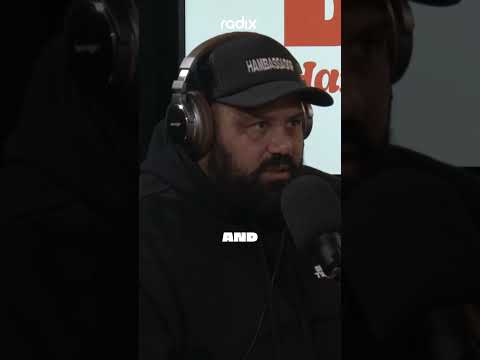
Dr Paul Wood || Runners Only! Podcast with Dom Harvey
Ask about Dom Harvey
Episode Description
EP48 Runners Only! with Dom Harvey & Dr Paul Wood
Dr Paul Wood is a motivational speaker and author. The 45-year-old is also a husband and father of two boys. The life he lives is a far cry from his late teens and entire twenties- when Paul was 18, he was convicted of murder and served 11 years in prison. Some of you will make your mind up about Paul without even listening to this episode. He knows this and understands your 'why.'For those of you who listen with an open mind, there are so many lessons we can all get from Paul’s very long road to redemption. It was in jail that Paul Wood decided to use the time wisely by studying. He became the first person in New Zealand's history to progress through undergraduate and master’s degrees while in prison. He was also the first person to begin a doctorate while incarcerated. Really hope you like this one.Thanks, Dom
Listen via Apple Music: https://rebrand.ly/RunnersOnly_Apple Listen via Spotify: https://rebrand.ly/RunnersOnly_Spotify
Who should be on the podcast next? Message Dom Instagram: @domharveynz Email: [email protected]
Video produced by: Dougie Mackie / @dougiemackie https://www.instagram.com/dougiemackie/?hl=en https://www.dougiemackie.com
If you enjoyed the podcast and would like for your business to sponsor an episode, please email [email protected]
Read the full transcriptHide the full transcript
- Runners only with dime Harley Runners only with Don Harvey and Dr Paul wood g'day mate how are you you're good
- good I am the most educated person I was thinking about you before you're probably the
- baddest man I've had on the show and also the most educated which is um quite a quite a juxtaposition between yeah
- isn't it those two things yeah I also appreciate you having me on a show called Runners only because my wife
- would uh definitely roll her eyes at that I've never been known for Grace or beauty or speed when it comes to running
- Dom I do like it but there you go yeah well yeah that's the first thing we need to take off um I think everyone in New
- Zealand has some sort of association with running even if it's that they hate it and it's um traumatizes them from
- having to do the compulsory school cross-country but what about you were you are you doing you're running now
- what are you doing you're a mountain biker right no my wife's an elite mountain biker so I do a little bit uh
- but to be honest with you I running would be my primary form of cardiovascular activity these days
- particularly trail running because I'm Wellington based yeah and we're so spoiled for just awesome trails in
- nature so you know try to get out and do that just recovering from a severely sprained ankle from trail running
- because as I mentioned I'm not known for Grace or beauty but I like it you know I
- don't enjoy it at the time but I like doing hard things Dom yeah sense of satisfaction
- and yeah I think running is uh you know there's lots of good lessons there in terms of life in general right
- oh completely I say to people all the time it's um there's so many metaphors like uh you know just put one foot in
- front of the other things get tough but if you just keep going one foot in front
- of each other you will make it through and you will make it to the finish line or you'll make it to the next point
- where things aren't so tough or you don't feel as bad yeah exactly it's cool I heard this really cool
- um rule of thirds the other day from an Olympic coach and the idea is you know if you're into your sport let's say
- running for example a third of the time you'll feel good when you do it that's third of the time you'll feel pretty
- average and a third of the time you'll be miserable and that's how it's supposed to be it's not supposed to be
- going to come and that's life gone yeah oh completely could not agree more could
- have been I feel like yeah happiness is a state that everyone thinks they should
- be in the entire time right yeah which is just a terrible message because it just sets you up for unmet expectations
- and it sets you up for more misery and suffering than required yeah I mean look running let's use that metaphor you know
- a real key I think success factor from running for me is the ability to more effectively make your way through misery
- and suffering you know carry on even though it's hard persevere and that's what life's about it's about being able
- to still pursue and do what matters despite the misery and suffering because there'll be lots of that yeah whatever
- that looks like for you that probably leads us nicely into into what's next um you um more than well qualified to talk
- about Misery and Safari because you've had um one hell of a life and and I'm guessing
- well to put it bluntly like You're a murderer you're a convicted murderer I I told my girlfriend she said what are you
- doing today and I said I'm doing a podcast with this guy uh this guy is a murderer I'm just invited him over to my
- house by himself it's just gonna be us there hopefully it goes well oh no that's what she asked she said who else
- is going to be there fair enough Brian now like okay no but you're you're a guy that has completely and utterly turned
- your life around you made a terrible mistake you paid your debt to society and now as I mentioned before the most
- educated person I think we've had on the podcast but do you still feel this people judging you in person are there
- people that just won't let you of course and mate that's fair enough if you're someone whose life has been negatively
- impacted by violent crime it is fair enough that you continue to judge me it's fair enough that you don't get past
- my background you know that's just the nature of these things like I've been uh attacked many times in
- my life in prison prior to prison all that sort of stuff I know what it is to be on the receiving end of violence and
- it's fair enough you know that if you've experienced anything like that or your family's been negatively impacted by it
- that you judge me and that you don't get past that you know all I can do with my
- lifetime I can't go back and rewrite that stuff but I can demonstrate who I am through my behavior today and I can
- make sure that I'm in a position to judge myself based on what's important to me what my values are and and that
- has to be the measure rather than whether Everyone likes me that's tough though because I want to be liked I'm a
- socially needy person we all do we all do I'm an approval junkie yeah oh my gosh I don't know what I chose a career
- like radio where you're judged by you know ratings and stuff it's terrible when you're like that how do you how do
- you get by in prison because not everyone's going to like you you know it's an interesting one the way like
- prisoners what would technically be called an honor culture and an academic culture is basically defined as a
- culture where your sense of self-value is heavily determined by other people's perceptions of you and whether or not
- other people respect you and so it's a it's a culture where if anyone demonstrates disrespect towards you any
- perceived slight if you are a moral upstanding member of the community and remember morality is a subjective term
- in this context right the right thing to do in prison the moral thing to do is to
- engage in aggressive behavior towards anyone who slights you in any way any perceived disrespect and if you don't
- immediately dominate physically if you can't beat the other person then the correct Behavior according to the prison
- code is to escalate the level of violence to go and get a weapon until you do dominate so actually you know the
- way prison works is if you are considered to be an upstanding member of the community
- if people openly don't like you then that will resolve itself one way or another either in your favor or against
- it but it's a society where there is hyper vigilance around perceptions of other people's opinion of you and uh you
- know it's one of the things I've had to sort of come to grips with in my life because I spent so much of my formative
- life in the 18 to 29 yeah and before that I'd lived a criminal lifestyle with the same rules applied basically but not
- as extreme you know for me now it's still one of those things where I'm more sensitive to perceptions of disrespect
- that I think a normal person would be however I've got good tools and good ways of coping with that not being
- derailed by it but I feel the same the difference is I don't react aggressively right so if someone at the Jetstar
- counter you know makes this night comment you're not going to stab them in the neck with a toothbrush no no I'm not
- absolutely not but you know again I'm I'm sensing sort of that stuff and that's part of my ongoing life Journey
- it's funny Don because I got out of prison what year did you get out okay so it was
- 2006. okay so I assumed 10 years 10 months and two days to be exact I went and I was arrested on New Year's Eve
- 1995 um turned into 96. I was then released 2006 the end of that and I tell you what
- when I went under prison no one had cell phones that just wasn't something that you saw other than maybe a builder with
- a big brick or something when I came out of prison there was this thing called the internet and everyone had cell
- phones like I was there through quite a big change in terms of how Society operated and I got out and I was
- educated I was two years into my doctor and I'd really made positive changes in my life and I thought I got out
- relatively unscathed I thought I'd got out relatively undamaged but then over time you start to realize more and more
- of the things that you still carry with you that are just a natural consequence of being such a habitual species you
- know we adapt to whatever circumstances we're in we develop habits that are useful to us what do you mean what sort
- of things you carry with you like um just the hyper vigilance or 100 let me give you an example right so
- hypervigilance is often seen as a symptom of post-traumatic stress disorder and it is but hyper vigilance
- is really functional for you when you're in a dangerous environment so hyper vigilance is just basically means being
- way more sensitive to perceived threats or potential threats than is normal and hey mate if you're in a combat zone or
- you're in a situation of domestic violence or you're in prison that's incredibly helpful for you to be hyper
- Vigilant because you are genuinely in a dangerous environment the trouble becomes a course is when your brain gets
- into these habits and then you're no longer in that situation but you continue to have that sort of level of
- hyper vigilance and that's problem dramatic for you okay so let's get way back so you're in your Tech you're in
- your teenage years you're a bit of a [ __ ] I know just a normal a normal teenager that's just dabbling in drugs
- no no no no definitely not look you know I mean I was actively involved in crime
- from probably about the age of 12. uh you know I hung out with people uh a number of whom came from uh
- intergenerational gang families you know where criminality was normal one of the
- things I always say to parents who are worried about their teams is this the most important indicator of how your
- teams will behave is what gives them respect in their peer group what's seen and valued technical term for that is
- the prestige economy prestigious like Manna it's something other people give you with a place of value on you based
- on your skills your knowledge or your behavior yes and the prestige economy what's respected by your peers is what
- will drive your behavior as a teenager and for me you know the prestige economy of my peers was stuff that's quite a bit
- more extreme than normal teenage sort of delinquent see you know I hang out with
- people who committed burglaries who stole cars we're street fighting in your capacity for violence was the ultimate
- in terms of what got you respected and that was certainly my lens on it so that was more the environment I grew up in it
- but your your trajectory though like if you looked at it you weren't you weren't
- on track to be like a violent murderer yeah no you were potentially going to grow through this awkward 100
- comfortable teenage phase and find yourself yeah yeah and this is the thing right like I went off the rails and that
- explicitly implies that rails were laid down in the first place love my parents for example you know they they weren't
- criminogenic it's the technical term they were contributing tax paying members of society in my teenage years
- you must have been a worry for them well to be honest with you I certainly was I
- think a big thing though is that you know my mum was terminally ill when I was a teenager and that was what
- occupied my dad's attention and her attention as you can imagine you know and they didn't know half of what I was
- up to but also it was different times where there was a lot more Independence so do you do you think in a way with
- that in mind like your dad um you're nursing your mum or putting his attention there and rightfully so do
- you think you were like acting out for attention in a way or just enjoying the unlimited Freedom that you had that you
- probably didn't deserve or warrant at that age man combination of all the above I mean for a start I was uh a
- young man attracted to chaos I loved the excitement I got a lot of a lot of young
- guys 100 and that's why one of the things you so need and it's not exclusively guys but it's really common
- with them and their behavior is often more problematic because of testosterone and testosterone makes you able to less
- accurately gauge risk so you're more likely to engage in a high-risk behavior and you know you need a positive outlet
- you need a positive direction for that energy and I didn't really have one and there were different points in my life
- where that could have changed for example the local community Constable I'm Andrew Saunders who I really didn't
- like at the time but who I now look back on with real respect you know he was a guy who tried to do a positive ancient
- intervention for me and my mates by creating a rugby league team in our area for at-risk teams so myself and my mates
- all got into this and rugby league's a great game for getting out some physical energy it's the closest thing you can
- get to like a legal Street Fighter that's right I'll tell you what in prison there's something called crash
- crashes the prison version of rugby league and it's generally played on concrete and it is used as an ultimate
- opportunity for people to settle scores with each other but also to demonstrate your willingness not to back down and to
- engage and uh let's say contact when I was in B Block in primary which is the toughest block I always made sure I
- never missed a game a crash when one was on because I wanted people to know I wasn't scared and I'll tell you what was
- I used to do up there at that point as they used to play these games crash in the gymnasium that each block would
- periodically have access to and one of the guards used to record it then it used to get played over the prison
- system so all of the blocks could see it so you want to talk about pressure to step up and not back down from a
- reputational perspective it was the ultimate and until what people I remember going up there and I'd been
- used to playing Crash on the concrete and that when I was in the Wellington person but up here was the first time I
- saw people get tackled and drop weapons and just pick them up and carry on and knowing even better than Ireland so you
- know people would be carrying Shanks and that while they're playing it was intense bro what's a shinks shank and
- Sheriff are just homemade weapons in prison so Shivers generally more like a homemade knife or as a shank as a
- broader sort of like set or collection of weapons that might include things that are more like ice picks which used
- to be a big one up in in Perry Max because the bars had this um growing on them that you could work off over time
- that would give you a sharp metal rod that then people would sharpen on the concrete and term into like an ice pick
- to stab people with you're quite Innovative oh bro 100 man 100 like it when I when I you know one of the things
- I do when I go and talk to people in prison these days is I always try to encourage them to think of the
- generalizable skill set they already have that they can take and use in a more positive way that will stop them
- ending up back in prison and will actually result in Greater Financial enumeration and not having to look over
- their shoulders all the time and you know there's a lot of creativity and Innovation there's also a lot of
- Entrepreneurship within prison like if I go back and then I'm like how many of you have dealt drugs before the vast
- majority of people putting up their hands right you've got small business experience you understand supply and
- demand yeah yeah you know you need to take that skill set and apply it in other areas where you wouldn't be back
- here but anyway so you know when I was a teenager they set up this rugby league team and to be honest with you it's not
- that I'm I'm like a talented person but I'm a hard worker Dom and when I played rugby league you know I would just make
- as many tackles as I could and I would just tackle all day I was putting second row in the forwards and I just tackle
- tackle tackle and to be honest with you something like rugby league could have potentially been a vehicle for me yeah
- because I'm quite a physical person I've got a good work ethic and that and if we
- had just had someone who had said to me at that point hey this could be the thing for you that could have been a
- change in my life but instead you know like one of the people involved in the team was one of the local drug dealers
- further reinforcement it was like missed opportunities eh yeah and I had other people in my life who you know wanted
- the best but just didn't necessarily have the skills to the tools of interventions yeah so the the guy that
- you um that you murdered uh your drug dealer like a bad dude you know there'll be a lot of people saying that go well
- you know one less one less Baddie on the street and there's other people that go
- no a life is 100 bro but I was a bad dude as well yeah had I been the person who had died that day I would have never
- had the chance and opportunity that I've had to realize I was on the wrong path yeah and to change my life and I took
- this right now that bad dude still had family he still had people who loved him you know and the reality is is that you
- know people were complex in the world's messy Dom yeah one of the things I've learned
- through my experience of prison and particularly having heaps to do with gang members because that's so common in
- prisons for people to be gang members and that is that you know I truly believe that the vast majority of people
- just trying to do the best they can based on what their understanding of good looks like based on what they're
- like I would say 100 well I mean look there are there are some exceptions there I've got to say look you know
- people that you've made and yeah right who are like genuine Psychopaths but they're not normal bro they
- literally have their brains a wired differently and those are the exception even in prison those people stand out as
- unusual the vast majority of people in prison they're not there because of what's wrong with them they're there
- because of what they've experienced and what's happened to them and where that's
- LED them in terms of their decision making in terms of their coping skills and there really is a path out and a
- path back for people if they have the right Insight supports and opportunity yeah but you know like for me had I been
- the person who died that night people would have done to me exactly what they did to you know Boyd who's my Victim and
- their skull good riddance to bad rubbish yeah you know one criminal kills another
- no big loss there but as I said I've had the chance to change my life and um it's
- it's a tough one though because for many years people including staff members within the prison who knew my story
- would say to me oh well hey I would have done the same thing yeah which is I suppose this reinforces
- yeah yeah exactly not to take ownership how long did how long did it take you oh [ __ ] yeah because like at the early
- stages of my sentence like I didn't go in and see a light like the road to Damascus right I didn't go in and see
- the line change I win and then just carried on doing what I had always done in a more constrained environment you
- know I did drugs I blamed everyone else for my situation uh it was his fault it was the polices fault it was my lawyer's
- fault I didn't take ownership because it's hard to take ownership bro it's been a real journey for me and look you
- know the reality is is that you know still it's one of those things where you have to really hold yourself to high
- standards and high levels of accountability because that's the only path forward yeah the reality is is
- while it's momentarily easier to feel like you're the victim and by the way don't get me wrong some people genuinely
- are the victim in some circumstances but it's easy to develop a victim mentality
- where you don't take responsibility and you blame others and it means you know it's easier psychologically for that
- moment but it is the least empowering position you could possibly have Because unless you take ownership of your past
- Behavior then you really can't own the idea that you are empowered to positively impact on your future based
- on the choices you make now no matter how the situation is against you no matter what bad luck you've had or what
- other people's role might be if you don't own that your decisions now can positively impact your future then
- you'll have a really disempowered life why did it take you so long to get to that point yeah part of it would have
- been maturity part of it right so it would have been range of reference man you know it's like you only know what
- you know yeah it's like an informed Choice requires you to be aware of what your options are if you don't know what
- your options are you're not going to be making the best choice for yourself it's
- kind of like not having a sense of direction you know when when you're in a walker when you're on a boat if you
- don't have a citizen Direction you just go wherever the current's taking away yeah but the reality is is that a lot of
- people who are in prison who stay in prison who re-offend all that sort of stuff inhabit very small worlds
- where they have a very limited understanding of what life can be let me give you an example right
- when I go back into prisons I always say to people if you think this is okay if you think prison isn't too bad maybe
- it's even good that is a sure sign of how terrible your life has been because by comparison you
- think this is good trust me this isn't good this is a terrible place to be this is a terrible place to waste your
- precious short life but a lot of people think it's good because their comparison
- is such dysfunction it's such misery although reading reading your book which is um your first book you're a double
- published author how to escape from prison the remarkable story of how one man to fight the odds there are there
- are times in there where it sounds like having some fun days oh yeah but you know again it's it's
- whatever you're in favor what's your comparison and it's like that's one of the things about drug use as well and
- you know like I did lots of drugs in prison and you know anyone who's used drugs will be able to relate to this
- that drugs give you short-term immediate pleasure they help you avoid you know the challenge of whatever your situation
- might be and so even in prison you know drugs gave you relief from that stuff the problem is though is that drugs
- never address the underlying issues and look hey lots of people take drugs recreationally and that's all good
- um you know I don't personally and that's that's all good you know that's just just life choices but
- the problem is is that if you have life stability issues for example you know if
- you don't have a clear sense of purpose or meaning or things to look forward to in your future then why not just do
- drugs more and more often because they make you feel good momentarily right and so they tell people get into trouble
- right you know whereas you know in prison oh my gosh it was definitely one of those things I I would say um
- you know for me I was really lucky that I always had an accomplishment mindset in my life I was always very driven to
- try and Achieve things unfortunately that energy wasn't positively focused in the earlier years but it's something
- that's really um helped me change significantly in my later life because I've just found a positive outlet for
- that same energy that got me in so much trouble yeah had you been in jail is it like
- before that first night when you were arrested for murder had you been on a holding cell oh yeah oh yeah I'd
- definitely been arrested multiple times okay so so you get arrested after you murder this guy this guy Boyd but by
- um having him with a baseball bat to the point where it breaks you're high at that time when do you start to become
- aware of the magnitude oh man I was aware of the magnitude you know immediately after yeah you know like he
- had attempted to attack me in my house and I had gone far beyond what was required of me in terms of self-defense
- you know and I can see why you're angry for like because yeah here he attacked you you attacked him back you did go
- overboard but why there wasn't even a discussion of a man anyway it doesn't matter doesn't matter what's going on
- yeah I know you're not you're not looking back in anger but yeah you got down a raw [ __ ] hand for an 18 year
- old well I mean you know anyway yeah I don't want to get you started no no no no no and I'm not by the bottom I mean
- it was what it was I made all the choices along the way that led me to the situation and I I love the attitude
- you've got now it's like one of the Navy SEAL things as well it's like owning your [ __ ] owning as much of any
- situation as what you possibly can you seem to like live by that ethos now I I really try to but but man we're all
- works in progress say you know like again if you have an ethos if you have a set of values if you have tenants to
- live your life by it's way easier to increase the likelihood that you'll be moving in the direction of being the
- person you really want to be but we're all works in progress you know one thing things I really learned from my
- experience if I'm imprisonment and trying to change is that the goal is progress not Perfection the goal is
- getting better rather than being good all the time the problem is if you think that you're supposed to achieve
- Perfection or be good all the time in terms of who you want to be as a person then if you do fail to show up in that
- way what you do is you can use that as an excuse to go oh what the hell and just engage in more bad behavior or to
- just beat up on yourself rather than recognizing that those failures those are the real opportunities to learn and
- grow in a way that enables you to get better going forward and being who you want to be I agree there's a lot of
- power and mistakes obviously maybe not not to the extreme that you took it to yeah I think it was Mark Richards in the
- New Zealand cricketer he didn't think of the three ifs like um [ __ ] up fix it forget about it yeah basically like just
- make them you make a mistake that's life acknowledge it and then sort of move on
- from it I think if you're not making mistakes you're not really living a full life are you no well the thing is I mean
- check this out right if you're not making mistakes then you are not engaging in growth and development as a
- person because you're not going beyond what you know you can succeed it and the way forward is not only doing things you
- know you can succeed at the way forward is by getting out of your comfort zone trying stuff out learning from your
- failures so that you can become more successful that is literally how you grow and develop and I tell this right
- now as a species we are all inherently motivated by a sense of progress in the areas of our life that matter to us the
- pursuit of Mastery is what we talk about in Psychology and hey look what people are into look it's different things for
- different people right for some people it might be career aspirations for other people it might be
- being at more peace with themselves but we all fundamentally have this need to feel a sense of progress that we're
- getting better at what matters to us so if you live a safe life in terms of never failing then you are not engaging
- in progress and growth and you will have a life of less meaning and satisfaction
- than someone who actually fails but fails and learns and recovers I think the key for me is that you know I try my
- best these days for my failures to not negatively impact on other people any more than they need to yeah that's a
- good one you know it's interesting like I was telling you how I caught up with um you know uh my friend Richie hardcore
- today and we're having a bit of a chat about stuff and that and I was saying to him you know like I don't regret
- anything that I've been through in terms of it making me who I am today the only
- thing I regret about it is the damage that was caused to other people yeah for my learning to occur but I've had some
- relatively hard times in my life you know um compared to what a lot of people have
- but even then I still consider myself blessed compared to what some people go through people I know and have come
- across so it's all relative a so so the the incident happened on New Year's Eve and your mum died three days before that
- so you had Christmas your mum died then this happens so you you weren't able to go to the funeral no
- no um no and and I'll tell you it was an interesting thing eh because uh grief as
- such uh an interesting and individual process you know like there are the stages of grief that people talk about
- and and that's interesting the rest of it but grief is something where we all have our own journey in that respect
- yeah and and things can surprise you at different points you know and you just got to sort of like accept whatever your
- journey is but I never really had the opportunity to properly grieve I suppose you were dealing with your own new
- surrounds your own new reality 100 but also as well you know like oh it was interesting I like I remember
- early on in my sentence maybe a year and having the stream of like my mum coming to see me like
- visiting me and telling me I was on the wrong path and and you know been really impacted by
- that my mum was a really nice person definitely the nicest person in my life growing up in that
- um and yeah and yeah it really it was not until I was about nine and a half years into my sentence
- that I was able to get permission to have any score to leave to go and visit my mum's grave right and then the
- Journey of of trying to grieve more effectively has been an ongoing one since then and you know I look I I still
- definitely agree for I think anyone who's lost a parent understands how hard it is I swear I suppose I wonder if um
- that's part of you like your driving force now like to make her proud with what you do I tell you what the most the
- thing that impacts me most I reckon is when I speak at conference and I do heaps of speaking about different you
- know things but always using sort of my own experiences none depending sort of like story to communicate important
- ideas but when people come up to me and say to me oh your mum would be proud of you oh my gosh that's the thing that I
- think has the biggest impact on me emotionally I wouldn't say it's something that's at the front of my mind
- as a conscious driver but I definitely live my life for I think you know as long as I'm done doing stuff where she
- would be proud then I'm probably on the right track yeah and what about your dad
- is he still around oh yes fantastic he's um 86 still around still active still constantly doing manual labor around his
- property and that yeah I mean you read your book he he was there constant visits never gave out on you well I mean
- he was the person who paid for my study out of his pension so I could study I mean at that point you couldn't get
- student loans or anything in prison I literally wouldn't have been able to study if it wasn't for him
- and I only really get how hard it must have been for him now my parent myself and understand how much you love your
- kids and don't want them to suffer I mean in the early years he'd often come and visit me and I'd be a non-contact
- visits glass perspex glass because you're too high security for physical contact with
- civilians and you know like I'd get I'd black eyes stuff like that when I was in prison and
- he'd come to those visits and then he'd obviously have to walk away from those known there was nothing he could do to
- change my circumstances and there was no end in sight to the storm I mean my God
- it must have been hard for him yeah that's one thing I wanted to ask you so um so so you get arrested on the New
- Year's Eve and then um you know you you'll be worlded you're dealing with the stuff but then that settles down and
- you're on remand then there's the trial and that's when you find out the next 10
- years from like 19 to 29 or whatever is and bear in mind so you're 19 years old so this is like 50 of your life to date
- yeah so what seems like a [ __ ] long time well the thing is you you can't eat you haven't at that age so I went into
- 18 right and then I by the time I was in since I was 19. yeah but I always knew that there was a liking sentence even
- from 18 and at that age when you're a teenager you haven't had enough enough life experience to contextualize what 10
- years is do you think so I would have thought it'd be the opposite when I was reading your book I remember
- I remember being like 18 or 19 and if I met someone that was 30 like when you you were when you came out I thought
- they were [ __ ] old yeah exactly that's what I mean though so like I'm 45 now if you said to me 10 years I've had
- enough life experience to go okay I know what 10 years feels like as an adult I know how quick that can go and that
- you've got all this life eating but as a teenager 10 years is forever being 30 is
- unimaginable unimaginable and so for me you know I was just like there was literally a point after I've been since
- I was just like right this is my new life this is it I gotta I've just got to forget about the outside world I've just
- got to focus on this and you know I think everyone goes through the consideration of whether or not to kill
- themselves from those circumstances I think that's a very normal thing to consider and lots of people in prison do
- yeah you know it's it's a disproportionate problem within the prison of our age you can well imagine
- oh that's understandable it's a very hard environment what keeps you going especially in the other thing after you
- get sentenced in those early days where you think okay the next 10 birthdays at least next 10 Christmases yeah three
- thousand four thousand days 120 months that's 10 years eh you know I suppose just never had it and you just never had
- that well no I think we all have it in us to be honest in some respect but I think you know maybe I still had stuff
- to look forward to that kept me going because I wasn't putting stuff like getting drugs like getting drugs but
- also as well in the early years I had aspirations to escape and that kept me going as well you know like if you look
- at the photo on the back of that book how to escape from prison right that's a mug shot that was taken when I was 18
- and that was the first photo that took me in prison these days it's all you know
- high-tech digital digital photos that was the first mug shot taken of me and if you have a look at the back of it
- have a look at how tall it says I am on that 190 180 centimeters okay so I'm about 186 right but when that photo was
- taken I was thinking of Escape so I deliberately shrunk behind the wall a little bit so when they were looking for
- me and giving description of me they'll be looking for someone so I was very much geared towards Escape
- in those early years and and the prospect of Escape gave me hope to be honest Dom okay because it gave me
- something to focus and look forward to and there were situations like there was one situation where I very nearly
- escaped and I'm very glad that I didn't and that I chose not to follow through um but to be honest with you by the time
- Escape came easy I was far enough into my sentence where I had started to have other interests like education and other
- things that stopped me from doing it and I'd reached a level of maturity as well
- where you know I I had more more perspective and and more long-term thinking you
- asked why it took me so long as well to sort of change when I was in prison part
- of it was just my age you know like the party of growing up yeah part of your brain responsible for evaluating
- consequences you know long-term decision making impulse control and all of that is your prefrontal cortex and for males
- it doesn't finish developing until your mid-20s so I literally didn't have the neurological capacity for that kind of
- stuff until I was a bit older and also as well you know I was just living my life according to what my previous
- experience had been and when I did started to educate myself man it wasn't with any great aspirations or for any
- Noble reason you know I started studying psychology because I thought that would
- be really useful for being more effective as a criminal and also as well and this is just me being honest with
- you right yeah but also as well for avoiding the attacks of other people in prison they've been better at mind
- reading so when I was an and Perry and maximum security when I was 20. I thought okay well when I get out of
- prison when that eventually happens you know I'll import drugs that'll be what I
- do because you know that's a viable career choice for me I can't do anything that's not criminal because my
- imprisonment my criminal record will count against me forever so I'll do this this is what I'll do you know I think
- one of the most important things that education did for me is it made me aware of the other options available to me the
- original word for educate means to lead out of to lead out of the darkness of your own ignorance that's what it did
- for me and to be honest with you one of the most important things I do for other
- people in prison today is I provide a reference point for them where they can look at me and go there's
- someone who's a convicted murderer I hate even saying that Dom I hated hearing you it's just the nature it's a
- heavy thing eh but that's the reality of of my past and they can point to me and go even
- though people know that about them he is an accepted member within Society not everyone may like me Don but I live a
- good functional life where I am a contributing member of society and that is important for giving other people
- hope that it's worth trying to change absolutely and as you know now that like the money you can make on the corporate
- circuit better than being a drug dealer 100 you know and I mean the thing is as well and there's no there's no risk of
- imprisonment associated with that either because if you look at what people actually make in terms of the length of
- time they spend in prison for involvement with drugs it just doesn't work out when I go to prison I always
- say to people hey look you know if you've had this experience of small business there's stuff you can do where
- you'll make more money than this literally have to deal with it yeah I mean let me I I tell you what when it's
- talking about speaking right so I do a lot of speaking one of my favorite contrasts I've had Dom as I did this
- this corporate speaking engagement at the Royal Yacht Club down the road from here and it was for a real estate
- company a very high-end and the amount of Rolexes in that room mate unbelievable every type you can think of
- right the next day I'm going into the prison environment to talk to people in there about one of the programs I'm
- involved in and to you know encourage people to sign up and go along and I end up going into a high security
- non-compliant block so this is basically the prison within the prison where people end up here when they get kicked
- out of other parts of the prison worse to the worst worse of the worst non-compliance right and I go in there
- and the staff member who's in charge of it goes look we can't have people unlocked while you're in here because
- it's too big a risk of security breaches in terms of intergang rivalry but also hostage situations we never have more
- than four people unlocked at a time and we can't have them unlocked when you're around so look I'm not really sure we
- can do this but after a bit of negotiation and a bit of chat what they decide is they agreed that okay well
- what they would do is they'd have everyone locked up but they would open their meal slots and theirselves and
- your meal slots about halfway down the door and that way people can put their ears to the meal slot and listen to you
- while you stand in the middle of this block and just yell if you want to do that it really had to like read a room
- and engage how you're doing hey look I don't know how this is gonna go I think to be honest people will
- shout you down and that it's a non-compliant blockage you know and I said okay well look I can't find
- this I really want to give it a go but also as well man I've been a Mexican security person and and when you're in
- Mexican security person you are always treated as a risk to be mitigated and you've earned that right through your
- previous bad behavior but I also know from personal experience how powerful it is to have someone treat you as a normal
- human being and to give you expectations to live up to that was some of the most
- seminal moments for me in my prison experiences having people treat me with respect and with expectations that I was
- a normal person and so what I did is I said look okay we'll do this but before I speak
- is it okay if I go around all the cells and say hello to everyone because what I want to do Dom is I want
- to make sure that people know that I'm treating them as a human being that I respect them and that I accept them and
- I want to connect with them on an individual level before I speak to them as a group by yelling why they're at
- their meal slots yeah and a bit socially immediately there's a little certain level of respect knowing what you've
- been through and that you've come out the other way yeah it's true but also not everyone's going to know who I am or
- anything about me there you know again people inhabit these small worlds and so this is standard operating procedure
- right you never put your hand inside a meal slot right because then you're at the mercy of the prisoner who can just
- grab your arm break your arm very easily but what I think to myself is I'm gonna give everyone expectations to
- live up to here so what I do is I walk up to the food there's a lot of trust well I'll tell you what it is I know I'm
- engaging in Risk but I also know that this might be one of the most powerful experiences that someone in this
- situation has in terms of people treating them as a human being and giving them expectations to love up to a
- lot of them have never experienced that level of Trust on and you can't expect people to learn to be independent
- functioning members of society if you don't give them opportunities to stuff up if you don't give them a little bit
- of trust yeah and so I walk up to this first cell and I'm like oh my gosh okay here we go and the first cell is this uh
- gang member with full facial gang tattoo Jose and I walk up to the cell and I immediately go hey my bro shove my hand
- in the meal slot right and shake hands with them and here's the funniest thing within the first like five seconds he
- goes hey and then straight away he does the ultimate prison thing to do which is
- to go hey Chuck your shoes in here give me your shoes the ultimate prison thing to do because
- shoes are the only things that you can get which are personalized right prison uniforms and everything else and it's
- just what were your shoes bro some Nikes I couldn't see them though until yeah okay yeah yeah yeah yeah yeah but even
- then if it could it wouldn't have mattered right you know but he's like immediately I Chuck your shoes in there
- and I just cracked up laughing and said no chance of that bro and then I kid you
- not within 10 seconds he's immediately onto this oh hey you know what it's like to be in here hey um can you give me an
- address on the outside that I can send to get a stash sent to that you can bring in this is within like the next 10
- seconds and I just laughed and just said to the sky bro you got so much hustle if you
- use the same amount of energy and hustle towards something legal you wouldn't be
- sitting in here and you would be cashed up yeah and he thought that was hilarious and I went around every cell
- and shoved my hand and said g'day to people and no one abused their trust and people were so appreciative of the
- effort that was made there Dom yeah and then after that you know I went and spoke in the middle of the block but the
- contrast between those two audiences the Rolexes at the Royal Yacht Club versus the non-compliant prisoners and high
- security you know couldn't be more different but bro we are all people hey absolutely you know the struggle's real
- I don't care what your life looks like I don't care how big your TV is how attractive your partner is you know how
- how flash your car is or anything we all experience misery and suffering eh yeah
- and I think that's a really useful thing to know absolutely yeah and have a bit of compassion 100 yeah but also as well
- a bit of bloody self-acceptance it's like what we're talking about earlier it's not all going to be infinity pools
- and mocktails can't read what the Instagram influencers would have you believe your life well contain
- challenges that will contain struggle it will contain misery and suffering part of the journey is getting better at
- making your way through that while accepting that it's not always going to be easy you know you're talking about
- the Navy Seals earlier I love their motto which is you know the only easy day was yesterday you know there's a
- there's a lot of wisdom in that yeah and you know we really want to savor the periods in our life when things are
- going well we really want to be grateful for the things that are good in our lives because there will be so many
- slings and arrows that come our way that we want to appreciate times when they're
- good and appreciate the things that actually are 100 like you can't appreciate you you talked before about
- um mocktails and infinity pools unless you've got something to compare that to then that becomes the normal and it's
- not something that's flash anymore yeah yeah and I mean that's the thing I like it's all about your benchmark so you
- know from that second book I wrote as you know like had the distinct pleasure of getting to do some uh work and
- observe the New Zealand they say it's an action there and some of their trains that's the the mental Fitness book yeah
- yeah one of the key things is about you know mental toughness that's what you're
- trying to develop yeah like what they use in the Defense Force particularly in the Special Forces is called stress
- exposure training it's exactly like running mate the idea is you expose yourself to incremental increases and
- stress in order to build your capacity to cope with future demands and challenges that's how you get physically
- further that's how you get mentally for that you don't get physically fitter by sitting on the couch you don't get more
- mentally tough and resilient by not going out and putting yourself under stress and pressure the key thing is to
- do it to the right amount and then have recovery right so you don't damage yourself and one of the things we talk
- about in mental toughness and psychology is that your ability to cope with current misery and suffering depends
- upon your previous Benchmark so if I go and do a half marathon I've run a marathon before so I know the half isn't
- as bad as the hole that I've run do you see how those this works absolutely and and that's what you do and so for me you
- know my experience of imprisonment leaves me eternally grateful for how good my life is now but this is also
- something we have to watch out for because we're so habit forming as a species it's really as easy to adapt to
- whatever your circumstances are and to start to take them for granted and I've gone through periods like that after
- being imprisoned but these days I'm very conscious what do you mean by that exactly well what I mean is you know if
- if you have a life where things improve for you like I talk about this in my book it's called the hedonic treadmill
- was the technical name for it but basically what it refers to is this whatever our circumstances are how much
- however much they improve or however much they diminish very quickly we get used to that and we
- return to whatever our prior level of sort of like happiness and well-being was if you win a lottery within six
- months to a year you'll be back to where you were before in terms of your standard level right and well-being if
- you become a paraplegic the same is true there's good research around this you know so one of the things that we need
- to do is we need to be really conscious and deliberate about cultivating the mindset and practicing the habits that
- actually continue to boost and improve yeah you know our level of happiness and our levels of well-being and one of the
- things that's really important is really consciously and deliberately focusing on
- the things that are good in all your life that you can be grateful for it's really interesting like if you talk
- about neurotransmitters you know which are just the electrochemicals that our brain uses to communicate with itself
- there are two primary ones that relate to well-being there's dopamine which is about happiness with what you can get
- it's about mood motivation and movement but happiness with what you can get is the key thing to think about it's goal
- focused right whereas serotonin is about happiness with what you have yeah now all of us have both of those if we have
- normally functioning brains but you have some people who are more dominant towards one or the other serotonin
- dominant people are those sort of more chill relaxed people who are just really good at appreciating things how they are
- but perhaps lack a little drive and ambition right whereas dopamine dominant people are more those what's next what's
- next what's the goal push myself kind of people and you know they get heaps done
- but the risk for them is that they rush through their life pursuing the next goal never appreciate the journey and
- then they're dead and they're really intense for other people to be around because it's kind of like great it's the
- weekend time to relax what's my task list for the weekend you know whereas one of the things we know from the
- research is if you want to boost your general levels of Serotonin your general levels of happiness with your life
- and how how things are at the moment and appreciate the journey along the way you
- know the most evidence-based approach to do that is to cultivate a deliberate sense of gratitude and that's where you
- you focus on hey what are the things I'm grateful for now check this out the research out of Harvard suggests if you
- practice a gratitude diary otherwise known as the three good things this is where you go once every 24 hours you go
- what are three small and different things I'm grateful for for the last 24 hours within 21 days you will notice a
- significant increase in your general sense of happiness and well-being but guess what this is even more useful for
- dopamine dominant people who are more likely to be focused on the next thing because it boosts that well-being to
- compensate for the drive towards achievement that they otherwise have they don't lose that but it builds that
- General well-being in the meantime happiness for what you have but check this out as well most people who try the
- stuff out quit way before the 21 days and the reason they do is they go well what are three three things I'm grateful
- for well I'm grateful for that coffee I got before coming and I'm grateful for your dog and its awesome name I'm
- grateful for this conversation and then they go well I don't feel massively uplifted when I do this I'll stop doing
- it but what they fail to realize is it's like jogging Dom what you do today isn't
- about immediate returns it's about investigating exactly it also forces you to forces you
- to think about those things that otherwise you may not there's a saying I really like it's that um comparison is
- the theft of joy and I believe it but that's only if you and this is I never really thought of this until I read your
- book but you talk about comparing down yeah which is something you got from the Victor Frankel book man search for me
- it's a fabulous book and and it is it's like and I suppose like comparing down as much like gratitude it's just 100
- think about how worse things could be yeah exactly and it's not for everyone either comparing down if you're really
- already prone to anxiety and depression if you start comparing down and going oh
- how much worse could things be then you might start obsessing about that worrying about it yeah that's true it's
- really good for me because then I I'm always like well things can be worse but when you okay but how do you how do you
- compare down when you've just been sentenced to life mate there's so many more worse things than that let me give
- you an example I don't do workshops around the stuff and I remember a woman after we'd been talking about this
- coming to me during the morning tea break and telling me she'd just been diagnosed as being terminally ill but
- she really agreed with this because she's got six months to a year to live at this point and she's really grateful
- that she knows so she has the opportunity to prioritize spending time with people who matter to it if that can
- be the attitude you have when you are terminally ill then man I got no complaints about spending some time in
- prison you know I mean there is always people who who are worse off than you there is always a situation it could be
- worse than the current one you're in and I just want to just close the loop on that three good things thing as well and
- you know again the idea is not that after 21 days you start to feel massively uplifted when you recount
- these things but just you shift your brain's radar so you start to notice more of those things as they happen in
- the day whereas previously you wouldn't have paid attention to them and when you
- notice them boom boom that's when the serotonin goes off in your brain you know you're retraining your brain to
- notice the good stuff because we've evolved as a species to pay a lot more attention to the stuff we are worried
- about which makes us feel unpleasant emotions because that helped keep our ancestors alive it was really useful
- from an evolutionary perspective but it just reduces our levels of well-being and our ability to flourish in Modern
- Life so we need to do things to counter it is this all stuff that you learned through your various degrees and your
- study yeah it is it is so okay so you're gone so you're sentencing lower Hut you
- do time in Wellington then you get the bus up to parimarima maximum security you do some time there then you go back
- to Wellington then you go into I think with a unit what's a unit describe a unit I mean like there are enough
- minimum security yeah it's medium to minimum right and that's where you start your studying Journey yeah and I wanted
- to start it when I was in Maximum Security Prison but I couldn't get permission to do something right and
- then I was transferred out it's probably not the in hindsight probably wasn't the
- right environment well it depends I know people who have done really well we've started studying Mexican security prison
- yeah wherever you're motivated to do it it's the right environment Dom it really
- is and I mean to be honest I think a positive Focus for your energy is crucial in prison and perhaps more so in
- Maximum Security Prison than anywhere else but anyway so you know prisoners are structured in different ways the the
- three basic uh types of structure you have is you have units you have pods and you have blocks those would be the most
- common iron wings as well there you go and it just depends on the physical structure of the prison
- like a block is a more historic sort of way of describing places like Perry which are based off a super max design
- out of the US where you've got like a single reticular building like a block like an office block or like an
- apartment block it is literally designed in that way like in Perry and maximum security there are multiple blocks a
- Block B Block C block and d block I was in B Block so in the middle of a and C block and you never ever saw anything
- like grass or anything else like that I remember when I used to go in the yard sometime you know if there was like a
- weed growing up through the concrete I'd be like oh wow look at that nature nature yeah because either side
- of you you just see the other blocks and they've been in the yards like a giant the Olympic-sized swimming pool whereas
- pods is a more recent design for higher security and they're more like sort of like you know just an offshoot like uh a
- sort of like an I don't want to say an octagon but kind of of like you have these long Pathways that lead to these
- individual more sort of circular kind of like blocks that they now just refer to
- as pods more commonly and then wings as well you know that can be different parts of higher security but there's
- often associated with lower security as well in older prisons and these days as well units and then you've got self-care
- as well so units is where you go to when you are in lower security and there's more freedom there's less security you
- know you won't have bars on the fronts of the windows as a general rule that sort of stuff and then self-care is
- where you like in your own little uh sort of like flattened situation within the perimeter of the fence still but
- you're responsible for your own cooking and other stuff like that whereas a normal prison you are yeah right right
- yeah because like the unit thing um you you just in your book you describe like growing plants and you sell and well now
- but you still at least your nose broken and you're getting some hella fights there yeah but those days are gone mate
- you know like these days that I I can't imagine there's anywhere where you're allowed to grow your own plants or that
- sort of stuff right because over the years that sounded like weed was real easy to get in and get hold of when you
- were here I feel like and I could always well being the president do you think so
- 100 I'll tell you why that is and one is is that prisons are always comprised of
- different levels of security and people are very motivated to access drugs for their own use but also you know if
- you're a drug dealer in order to you know make money and so if you've got people who are lower security who are
- going and working outside the wire on a regular basis you know who are performing the equivalent of community
- service and then coming back in there's always going to be an opportunity for drugs to be accessed there yeah people
- are always thinking of creative ways to get things in and that's because they have nothing but time on their hands but
- also there'll always be a level of risk for corruption yeah because you know like being a prison officer that is a
- hard thankless job it's not a well remunerated job and also you know there will be some
- people who who just find themselves falling victim to corruption in that respect or who go in who Could equally
- have been on the other side of the wire and just engage in corruption is just you know just half the course and I just
- want to let you know that is the exception rather than the role but it definitely happens yeah risk happening
- you know actually I thought of you last night there's another ad campaign on TV at the moment for recruiting for um
- Department of Corrections for prison guards and the guy on the TV ad he's had a barbecue and he says oh I would do
- this job because I want to make a difference I want to help these people and blah blah and I thought about you
- and your experience most prison guards that way wide or that way worked for the job or there's some real bad bugs in my
- experience if you go in there very uh idealistic and very committed to helping people change your spirit will be broken
- quite quickly and you know like just systemically it's not set up for that Dom it's a bloody
- hard environment you know it's under resourced it's it's you think it just gets cynical after all
- in a very short time in general but also as well you know it's an environment where
- it's easier to control focusing on containment and security than it is on Rehabilitation sure and because it's
- like it has these real natural tensions right like the protection of the public as its primary driver so not having
- people escape not having people you know be a risk to the public but then it's got this other driver of Rehabilitation
- and the problem is is the way you protect the public is by maximizing security but the way you maximize
- Rehabilitation is by maximizing opportunities for people to take responsibility for themselves and learn
- which is the opposite of security yeah the vast majority of people are going to end up released at some point and I want
- people where everything possible has been done to increase the likelihood that they will be contributing members
- of society and not rear feet I don't want people in my neighborhood who have come straight from serving years or
- decades in prison straight out the door where there's been no reintegration where there's been no sort of bridging
- that Gap because those people are super high risk of reoffending and you know I mean you're an example of someone that
- can flourish about I feel like most of that's come from within well I think you're mistaken in that right really 100
- look I think this is the fight about it no absolutely not I would like to cuddle
- about it okay I would like to hug it I don't want to fight I'll get a house that's something I learned from your
- book you tighten your shoelaces because if you have to have to kick someone you know when you shoot for it yeah and you
- learn all sorts of things like that I actually learned that from my oldest brother who was a very accomplished
- Street Fighter right back in the days but anyway thoughts so so you think um because I I
- said I thought your Rehabilitation oh yes they came from within and you disagree yeah and I think this is the
- thing we often attribute to the individual their success or failure whereas actually man we all operate
- within an eco system a it's like if you're in an environment where there are expectations of you to live up to and
- there are also options and opportunities and support available for you to progress to do things differently to
- safely export explore to you know to discover what you're capable of you're way more likely to do that the biggest
- difference between me and so many people in prison is that I had a supportive father who paid from education who
- believed in me who was pro-social so when I was released I didn't go immediately back into you know a crime
- family and also as well I had an opportunity for employment on release within a year of being released 80 New
- Zealand prisoners are still unemployed now that is because some of them are difficult to employ but that's a whole
- lot because also as well people don't give them Second Chances New Zealand I don't know if it's just New Zealand but
- um I feel like it is it is very hard to get redemption in New Zealand isn't it bro I'll tell you what we follow the US
- model which is the least effective model possible we are literally only second into the US in terms of the amount of
- people we imprison per capita but also how bad our reoffending rates are our reimbursement rates only behind the U.S
- because we follow the model that doesn't work we follow the model which is a political football which is about
- winning votes based on emotional appeal rather than logic rather than data rather than facts rather than having
- actual meaningful debate around this stuff whereas you know there are other models that work but we just haven't
- bought in them and I'll tell us right now I know that is something where we are different than many parts of the
- world because I've traveled internationally a lot and you know New Zealand is one of the few countries that
- won't let people come into it if they have been imprisoned for more than 12 months or being arrested or charged with
- something where they could be in prison for more than 12 months I remember when I first went to Europe
- I was on Parole at the time and you needed to have permission to leave the country
- from the parole office as well before you could and so they required evidence that you'd be allowed to visit the
- countries you were planning on going to and I remember contacting the embassies from the Greek Embassy the Italian
- Embassy the French Embassy all to find out from them hey would I still be able to visit without a Visa even though I've
- had a serious you know conviction as a teenager in a long period of imprisonment
- and I tell what all of those countries have the attitude that if you have done the crime and done the time and your
- country is okay with you leaving we don't have an issue with you unless you've already been kicked out of our
- country the places that carry on this lifetime of punishment this lifetime of never being able to get past what you've
- done you know that's the US that's Australia that's uh Canada and Brazil other places I've visited Asia visited
- Elizabeth places they don't even ask you about that stuff because if you've served your sentence then as far as
- they're concerned you're starting again you've got a second chance we have this very puritanical approach to this and
- again look hey you can make the best business case I understand why and I've got to say I've visited Australia
- multiple times and they're really good about letting me in but I have to jump through hoops in order to do so and
- that's fine I accept that but most countries in the world have the attitude that once you've
- served your sentence you are now given a clean slate and an opportunity to redeem
- yourself that doesn't mean they let you go and work in higher risk roles with vulnerable people without it being a
- consideration but they do maximize your opportunity to be a normal contributing civilian yeah how good is that well it's
- fantastic something I've learned from this podcast this year is everyone's carrying around a bag of [ __ ] and it's
- just um the the size of the bag of [ __ ] that varies from person to person and everyone struggles with like I don't
- know I suppose guilt shame regret but your your baggage is probably heavier than most so you do your time you pay
- your time to the government but then how do you how do you get over that stuff are you are you over that stuff I mean
- it's not about getting over it it's about using those emotions as the fuel in your tank to go forward and make a
- contribution you know let's just talk about the difference between shame and guilt briefly I feel guilt about what
- I've done in the past that's hurt other people I don't feel Shame about it because shame is something you feel when
- you think there's something fundamentally wrong with you shame is what you feel when you think this
- happened because I'm a bad irredeemable person that's when you feel shame guilt on the other hand is when you go I
- behaved in a way that I regret and that guilt is my motivation to do different going forward that guilt is the fuel in
- my tank and the more consistently I live my life in a way which is in line with who I want to be and how I can make a
- contribution the lesser the impact of that guilt I still feel it like when I think about you know my victim's family
- you know I definitely still feel guilt do you how often do you think about it now does it get less and less does it
- get easier for you look it definitely gets less and less but also as well it becomes something you can face more
- effectively like I really didn't want to give my victims family any thought for many many years because it was too hard
- these days I'm equipped to be able to think about them and about the pain I have caused them and the whole in their
- life as a result of my actions you know I'm equipped to deal with that and again
- it's just a reminder to me that I need to be really focused going forward on bringing my a game on trying to get
- better at being the person I want to be but also at using my mistakes in the past in order to positively influence
- other people who want to find a way forward for themselves and who need a bit of motivation to know there is
- always a path back you can no matter what you've done you can always find a way forward to a better life and there's
- always the option of being re-accepted by Society the comparing down thing that we were talking about before you're
- probably a good example like if you're talking to a room of real estate agents with Rolexes the The Guild or saying
- they're carrying is probably infidelity or I don't know it's not as heavy as your burden yeah and my burdens nothing
- compared to yeah for sure you know I look back on my life and think I have been blessed in
- terms of how easy my life has been compared to a lot of people I have come across and you know again it's like
- you know a lot of people who have had extremely traumatic experiences unfortunately you know they don't have
- the reference point they don't have the Insight they don't have the skills they don't have the support in order to not
- repeat some of that stuff themselves but you know that's something we've got to look to do as a society is get better at
- providing people with you know some of those indicators of what the path forward could look like for them and
- some of the support and opportunity that helps them take that rather than you know repeating the cycle rather than
- just inhabiting that same space that maybe they've experienced yeah man we're glad I could talk to you for days
- likewise bro I want to go for a run sometime yeah yeah you'll have to be injured when we do it oh 100 at the
- moment so you're good so is that something you were in jail for a long time but you've been out now for longer
- than what you were in yes you see you're saying at the beginning of this chat that you like running on the trails when
- you're out there in nature in the free share running on the trails do you think about that weed I do regulate like when
- I run on the trails man well like I always touch the trees and the ferns and that on the side of the trail not all
- the time of course but I'll be running past off and I'll just touch it and I'll be like yes because I'll tear this right
- now I remember how much I longed just to be in nature when I was in prison when I
- was in lower security at rheumataka prison I used to just look out the window and be able to see the hills and
- I used to just long just to be in there and now I get to be in there bro you know I get to experience that and I am
- so bloody grateful and I am aware of it you know I am conscious of it and I am appreciative of it and I love you know
- being in this country with second chances are a real thing you know had I been arrested and convicted somewhere
- like China I would have been executed my family would have been sent the invoice
- for the bullet used you know this is a great nation it really is and I'm super grateful for the the chance to have a
- second chance yeah well I reckon that's probably a good place to him sign it off okay bro that's awesome
- and um your mum she would be proud thank you I really do appreciate that cheers Dr Paul wood thanks
Brief Summary
Dr. Paul Wood discusses running, personal growth, and his journey from convicted murderer to inspiring speaker.
Key points
- Lessons from Running. Running serves as a metaphor for life, teaching perseverance through hardship.
- The Juxtaposition of Education and Crime. A convicted murderer shares insights on education and personal transformation.
- Understanding Prison Culture. Exploring the honor culture within prisons and its impact on behavior.
- The Journey of Ownership. Taking ownership of one's past is crucial for empowerment and future success.
- The Impact of Grief. Grief is a personal journey that can surprise you at different points.
- Education as Liberation. Education opened new paths and options that changed the course of my life.
Episode highlights
- Lessons from RunningRunning serves as a metaphor for life, teaching perseverance through hardship.“If you just keep going, you will make it through.”1:38Dec 14, 2022
- The Juxtaposition of Education and CrimeA convicted murderer shares insights on education and personal transformation.“You're a convicted murderer, but you've completely turned your life around.”3:07Dec 14, 2022
- Understanding Prison CultureExploring the honor culture within prisons and its impact on behavior.“Prisoners live in a culture where respect is everything.”5:03Dec 14, 2022
- The Journey of OwnershipTaking ownership of one's past is crucial for empowerment and future success.“Unless you take ownership of your past behavior, you can't own your future.”19:03Dec 14, 2022
- The Impact of GriefGrief is a personal journey that can surprise you at different points.“Grief is something where we all have our own journey.”27:21Dec 14, 2022
- Education as LiberationEducation opened new paths and options that changed the course of my life.“Education made me aware of the other options available to me.”35:11Dec 14, 2022
- The Power of EducationEducation means leading people out of ignorance and giving them hope for change.“The original word for educate means to lead out of darkness.”35:15Dec 14, 2022
- Trust in PrisonBuilding trust with prisoners can lead to transformative experiences for both sides.“You can’t expect people to learn to be independent if you don’t give them trust.”40:01Dec 14, 2022