Meet The First Kiwi In Space & RocketLab Co-Founder: Mark Rocket
Ask about Dom Harvey
Episode Description
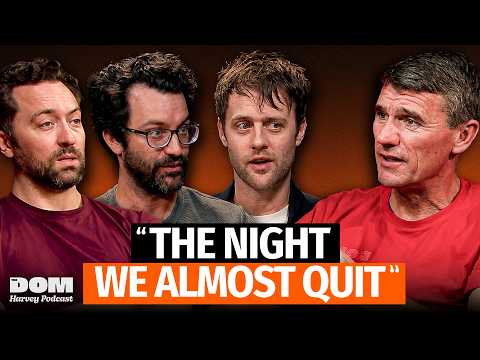
Mark Rocket is New Zealand’s first astronaut, a space entrepreneur, and a co-founder of Rocket Lab — one of the world’s leading aerospace companies.
In this episode Mark speaks about his journey from a small-town kid with a dream to changing his name to Rocket, building multi-million-dollar companies, and flying into space with Blue Origin.
They discuss Mark’s early life, the moment he decided he had to go to space, his friendship and business partnership with Rocket Lab founder Sir Peter Beck, and his current work with Kea Aerospace, developing solar-powered aircraft flying through the stratosphere!
00:00 – Who is Mark Rocket? 06:13 – What It’s Like Going to Space 13:14 – Building Rocket Lab with Peter Beck 22:10 – Selling His Shares & Starting Again 24:00 – Launching Kea Aerospace 36:17 – Balancing Life & Ambition 42:12 – Personal Growth & Lessons Learned 50:00 – Big Goals for Aerospace in NZ 59:00 – Fitness, Running & Mindset 1:13:00 – The Future: Space, Earth & Legacy
Who should be on the podcast next? Message Dom Instagram: @domharveynz Email: [email protected]
If you enjoyed the podcast and would like for your business to sponsor an episode, please email [email protected]
Read the full transcriptHide the full transcript
- Oh, good. You're here. Come on. This is the center of performance. Whenever there's a top performance in New
- Zealand, it all comes from here. That's Lisa Carrington. She's been doing that for days. That's the boys who got the
- hole in one in to Hey Finn, how's the performance going? >> Top tier. >> Nice. This is our generate room. In
- here, you'll find our top performers helping Kiwis maximize their Kiwi Saver investments. Get in here, Finn.
- Maximize. Generate. putting performance first. >> Mark Rocket, welcome to my podcast.
- >> Great to be here, Dom. >> So, your wife and kids, what's what's their surname on like on the passports
- and birth certificates? >> Yeah, I've got a couple of little Rockets and uh and my wife is just going through the
- process of changing changing her name at the moment. So, >> Right. Yeah. >> What What was the reaction like at the
- time? Did people think you were odd? >> Yeah. Well, I guess you know going back to those days, the internet days, uh,
- you know, I started in the internet industry in 1994 and then started playing around with SEO, search engine
- optimization 97, started up a company in 1998, actually a couple of companies and
- just got into the whole kind of online marketing kind of thing and uh, yeah, realized, you know, words are just uh,
- so compelling, so provocative and uh, yeah, just sort of started out as a crazy idea think, you know, what if I
- changed my name to Mark Rocket? in what that would end up being and what what what that would affect in my life and it
- just was one of those ideas that I couldn't let go and I decided just to jump in and do it.
- >> Were you the subject of sort of any ridicule or anything at the time or >> uh well probably but
- >> don't have a pretty much. >> What about your family? Like your parents? >> Yeah. Um it was sort of a delicate
- thing. I didn't really tell them straight out for a little while. Now, then the reason you chose rocket is
- >> Yeah. I mean, ever since I've been a young kid, I've been fascinated by space
- technology, advanced aviation or just general aviation. Uh, and yeah, it's just it's been a theme of my life. You
- know, I never quite made it to university, but I've been an avid student of science fiction uh and a lot
- of that kind of aviation technology. Uh, and yeah, I I I think it it's just one of those areas that really compels me,
- gets gets me excited, and has sort of manifested it its way into all sorts of things.
- >> Well, it's um an absolute honor to have you on the podcast. It's great to finally connect with you. We've been
- going backwards and forwards for um months now in an attempt to make this happen because um yeah, from what I know
- about you, you're an intriguing guy. So, it's wonderful to have you here today. >> Great to be here, Tom. And um since we
- started having the conversations going backwards and forwards, you have become the first New Zealander into space.
- >> Yeah. Back May 31st in the US and in Texas uh I signed up uh and got a flight
- with Blue Origin on a New Shepard suborbital flight and that was just phenomenal. You know, it really exceeded
- all of my expectations. I knew it was going to be awesome, but it was just so much more. Uh only a 10-minute short
- flight, but wow, it was just the most epic, intense 10 minutes of my life. >> So, um, Blue Origin, that's the, um, the
- Jeff Bezos one, >> correct? >> Yeah. And so, originally, Yeah. So, you changed your name to Mark Rocket. And
- then this is a goal you had, um, around about that time to go into space. >> Yeah. Well, I Yeah. Yeah, I I guess if
- we go back a little bit, you know, as part of my journey, I've I've really had a process of of self-improvement where I
- really wanted to keep, you know, finding ways of incrementally improving myself.
- And uh I did a course in 2000, the entrepreneurs success program. And it was it was great. It was a multi-year
- kind kind of course. It was a great group of other entrepreneurs and we'd get together every few months and uh
- there was a sort of program and there was a sort of social aspect of it. And yeah, one of those sessions in 2000 uh
- was kind of an exercise where you're on on your deathbed and you kind of visualize, you know, what you wanted to
- have achieved in your life. And sort of going through that sort of process, I realized, you know, I really wanted to
- go to space. You know, that was something I really wanted to tick off uh the the the checklist. And so yeah, I
- actually signed up initially uh around 2006 with Virgin Galactic and that was an awesome process and got a whole lot
- of really great experiences out of that. Um but yeah, in the end I ended up going
- with up with Blue Origin. >> I I know there's a lot of there's NDAs involved and there's um you know
- commercially sensitive information, but um you when you sign up for the like the
- Virgin one, what's the what's the deposit? Is that huge? >> Uh yeah. Okay. Well, back then it was
- 200,000 US. >> Oh my god. >> You can't you can't say how much. That was the deposit. So, is it like a mill?
- >> No, no, no. That that was the full amount. >> Oh, that was the whole amount. >> You basically pay the full amount.
- >> Okay. >> Uh >> so, and and then you end up on selling that. That one didn't go ahead. The
- Virgin one. >> Yeah, I cashed that one went in. Um yeah, they did it. They started a few
- commercial flights and uh yeah then they're now redeveloping the the spacecraft and I am on the list. I think
- I got to seat number 37 38 but I think it's going to be a year or two before they get the the the next iteration of
- their spacecraft. I wish them all the best. You know amazing company and some of those experiences that I was part of
- with that Virgin Galactic Founders Group were uh incredible and really inspired me to get involved with the aerospace
- industry here in New Zealand. Did you did you have much to do with um Sir Richard Branson?
- >> Yeah, I met him a number of times. Uh and you spent a week on his island, Necar Island, the British Virgin
- Islands. Uh that was that was pretty cool getting to see how how he lives. Uh and yeah, I think he visited Christ
- Church and uh in Oakuckland, you know, caught up a few times around the place at various events. Uh yeah, he he's he
- was a a phenomenal entrepreneur and still is, but I think co probably knocked him a little bit. I think he
- said publicly he had like an investment portfolio from hell for co you know with
- all the tourism operations right uh but yeah I'm I'm not quite sure what the latest day of play is but uh yeah he's a
- resilient guy and uh just has uh made a marvelous contribution to to being such iconic entrepreneur.
- >> What about Jeff Bezos? So you end up going up in Blue Origin which is um the Bezos um spacecraft. Do you meet him
- have much to do? >> No, I haven't met Jeff yet. Hopefully one day. Yeah, he he's obviously doing
- some great stuff and you know what is is happening there there with Blue Origin.
- I think he puts about $2 billion a year or so into that Blue Origin project and that that's just kind of the um uh the
- kind of poker money that might be normal for for some of us. But uh yeah, basically he he's made such a a great
- contribution there uh to to the aerospace industry. Blue Origin are just really starting to build that flywheel
- momentum >> and you know what they've achieved with Blue Origin New Shepard. >> I think it's just the beginning. You
- know, they're going to the New Glenn, which is an orbital project and then Blue Moon uh lunar project and and other
- cool projects. So, I think we're going to be hearing a lot more uh uh from Blue Origin.
- >> Yeah. Yes. So, so legally you've been to space, but it was an 11 minute flight.
- Does does it feel like it's it's scratched the itch? Uh yeah, I'd really like to to go again.
- Uh >> really, you're not a one and done. >> Or would you want to go further or longer or
- >> Yeah, I mean orbital would would be great, but uh yeah, they're pretty pricey, but um
- >> uh yeah, certainly, you know, that suborbital flight was just just so phenomenal. Uh and yeah, I I think about
- it every day. Yeah, your um your former business partner um and mate um Sir Peter Beck
- from Rocket Lab um and we'll get into your involvement with Rocket Lab later on, but um yeah, I've had him on the
- podcast. You're you're the complete opposite of each other, right? Like he's he's obsessed with rockets, but has no
- desire to go into space, doesn't want to go anywhere near it, knows the risk involved, doesn't want to leave Earth.
- But you you on the other hand, it's like you you really want to be there. >> Yeah. Yeah, I mean I think a couple of
- days before I went on the flight, Peter sent me an email and said, you know, you're in in the right hands there with
- the Blue Origin team. So, um yeah, uh yeah, I I think he's definitely got a different life philosophy to me. And uh
- to be honest, I'm not I'm surprised more New Zealanders haven't wanted to get involved uh with with these sort of
- space flights yet. And you know, sure, the ticket price is a little bit high, but uh yeah, I think there's going to be
- >> thousands of of Kiwis that do go up into space in the next decade. So the the
- Blue Origin one. So yeah, it's over a million, less than a million. >> Yeah, I signed it in day for that.
- >> You just can't say can't Wow. But it was whatever you paid, it's you consider it
- good value for money. >> Amazing. >> Was that the same one that um um Oprah Winfreyy's friend Gail and Katy Perry
- and those guys did? >> Yeah. I was on the flight after them. >> Oh, really? >> Yeah.
- >> Was it the same day or No, >> no, no, no. It was about So you about about a month later?
- >> Yeah. So talk talk us through it. So what sort of training is involved for this?
- >> Yeah. So you you arrived there in uh sort of West Texas. Uh it's kind of like
- you know the cars movie like Radiator Springs, you know, it kind of looks just like that. It's just a crazy uh
- environment. Uh yeah. So you arrive there, meet meet your other crew uh and yeah, you stay in airirstream kind of
- trailers in this sort of desert place and yeah, they've got a really great facility. Then yeah, the first day of
- training, you go you go along uh to to the the spaceport and there's a special training facility building where you
- kind of learn about how to get in and out of the capsule and you know what to do when you're in the capsule and sort
- of going through the whole whole process, making sure you feel comfortable with uh what's happening on
- on the flight day. Uh the second day is more about off nominal situations where if something goes wrong, you got to put
- on uh a breathing mask and um yeah, how to get out quickly, that kind of thing. Um I was seat six, so I was the first
- one on and the last one off, so it kind of meant um I'd be pushing people out out the door to get out there.
- >> Were you scared? Uh well, I mean on the actual flight day, uh yeah, I mean the
- it started off as a kind of a a pretty smooth elevator ride. Uh pretty cool, but then it just get gets faster and
- faster, you know, to the point where we're doing 3,400 km per hour. And at that point, you know, the adrenaline is
- really uh really kicking in. Uh and then there's a really swift transition when the you get stage separation where the
- booster drops off the capsule and uh yeah, essentially you uh move into a zero gravity environment really quickly
- within a few seconds. So sort of that transition from that full-on adrenaline when you're on the edge of your seat
- going, "Oh my god, what am I doing here?" to basically experiencing zero gravity uh and looking at the
- magnificent views out the window. So yeah, there was certainly a few moments of uh what the heck uh but you know then
- then you move into that kind of situation. >> So there's you and five other people.
- >> Yes. >> Yeah. And um yeah. How is it spacious? Is it like the size of this room or
- >> Yeah. Yeah. Rough roughly sort of sort of similar. Um >> so when it's zero gravity, you're not
- like just you like limbs everywhere bumping. >> Yeah. I mean, it's uh the thing about
- the Blue Origin uh capsule was, you know, that they've made it with huge windows and and trying
- to make it as spacious as possible. Um in the middle there is a big sort of round circle just like you have here
- with your table bit but bit smaller and that's where basically you've got a rocket uh motor sitting there. So if
- something happens with the booster, the that rocket motor can take you off the booster. Um so yeah, so that sort of
- takes up a bit of the cabin, but you've got huge huge windows and there's a bit of move
- room to move around. >> So, six people on board and and you guys are all early adopters, so I'm guessing
- these are like hardcore sort of space fans or people that really wanted this opportunity. Um, yeah. What did you know
- about the uh about your what are they called? Like your your crew? What did you know about your crew or your
- teammates? What are they what are they called? >> Fellow passengers. >> Yeah, crew is as good as any. And yeah,
- we we met a few times before, got to know each other a little bit. Uh, and yeah, there's a range of people. There
- was a, you know, one guy had been to every country in the world and, uh, he wanted to kind of tick off going to
- space as well. Uh, yeah, there was a a teacher from Puerto Rico. Um, yeah, a Canadian guy, an internet guy. Um, yeah,
- just just just a range of people that obviously had a absolute fascination for for space like me.
- >> A teacher from Puerto Rico. New Zealand teachers listening to this are going to
- be like, I need to like get a job teaching in Puerto Rico. >> Well, well, she actually she actually
- got a sponsorship from a pharmaceutical company. So, uh, yeah, she she really did well there.
- >> What about your family? Were they nervous? >> Yeah, my wife was there. Um, yeah,
- there's a few photos of her looking quite nervous. >> She She didn't try and talk you out of
- it. >> No. >> No. She just knew it's something that you had to do. >> Yeah. you. What about the risk? Like what if
- something went drastically wrong? I know. I mean, I know it's going in an opposite direction, but I'm thinking
- about that Titanic sub from a couple couple years ago. Like, what if what if what if the unthinkable happened?
- >> Yeah. Well, I think you've got to look at what you really want to do. I mean,
- for me, I wouldn't be that interested going to the bottom of the ocean in a composite material sub. And, you know, I
- do know a little bit about composites and uh that's not something I would ever entertain. Um, yeah, I think like
- anything, you've got to weigh up weigh up the risks and uh, yeah, I mean, you do you can go on a camping holiday to
- across the North Island and, you know, you have a bad day. It's um, you know, life is is full of risk. You got to
- choose the risk that you're happy to take. And, you know, conversely, you know, if you do die, you know, for me,
- what a better what's a better way to die than to blow up in a rocket. >> It's like they you read it all the time.
- Hey, how he died doing what he loved. Exactly. >> Um, so going at 3,400 km an hour, what's
- what's that like? >> Uh, yeah. I mean, it it was intense. Yeah. I mean, >> scary.
- >> Yeah, scary. Yeah. >> Were you prepared for that? >> Well, yeah, I knew we were going to go
- pretty fast. Um, but yeah, that the sensation of it and you can sort of feel the rocket adjusting and, you know,
- basically it's an autonomous system, a robotic system. So, you know, you're really hoping that the the robot's
- having a good day. Uh, so, uh, yeah, it it kind of, you know, it it just just put me out out of my comfort zone a
- little bit. Uh, but not to the point that I wouldn't do it again, but it it just, you know, made me kind of feel
- alive. >> And was it was it a moving experience? Like, did did were you emotional out
- there? Did you cry? I mean, I'm just thinking not just of the the the the flight itself, which is relatively
- short, but just the quarter of a century of buildup to get to that moment. >> Yeah. Well, not not so much about that.
- But I mean it did did feel like a a personal achievement. Something I I you know felt you know really really
- pleased. But I guess the main emotional element really was seeing the earth from
- space and seeing space and you know you see a photo of of space you see the blackness of space but to actually be
- outside the earth's atmosphere and to see the the context. I don't know about you, Dom, but you know, maybe you sit
- back sit back looking up at the stars and you think about what it is to to travel through the solar system or
- through the galaxy. But, you know, in the in the solar system, uh here we are, I think it's 150 million kilometers. The
- earth is away from from the sun. Uh you know, the the sun has got 99.86 of the mass of of the solar system. It's
- obviously a huge bit of mass, big blob of mass in the middle of our solar system. and you know it basically pulls
- all the planets around it and and just to you know it's kind of a crazy concept when you when you think about it. U but
- to actually see the earth and the sun and space this this vast ocean of blackness of space it kind of really you
- really see the sort of context of this this fragile planet. Uh, and yeah, just, you know, that that blackness was kind
- of like a little bit overwhelming. And, you know, there's some of the other passengers that that felt that as as
- well. And you know, we're only up in um in that environment for a few minutes, but you see other astronauts that come
- back uh after spending weeks or months uh orbiting the Earth and that they have something called the overview effect
- where they they really do start thinking a lot more about that sort of stark fragility of the Earth.
- >> If it um was an option in your lifetime, would you want to travel to another planet?
- >> Yeah. Well, there's probably not that many to choose from that are are going to be that comfortable anytime soon. Uh
- like yeah, Mars could could be kind of interesting, but you know, even going and living in the Antarctic, I've I've
- had friends that go down there and uh do the summer trips and actually got a friend there at the moment doing the
- winter trip. Uh that's that's pretty fullon where, you know, Mars is going to be 10x harder than that. Uh it's going
- to be pretty cold. It's not, you know, it's got to be a pretty severe environment. I think I'd miss my running
- and my tennis too much, Dom. Uh, and it's, you know, it's nine nine months or whatever to get there.
- >> Uh, nine months to get back, it's uh kind of a major major thing. When I was younger, I think I' I would have been
- all in. Uh, but but where I am now, probably uh not so much. >> You and I, you mentioned the running.
- You and I, we're both in our 50s. We're both dealing with um issues in our left knees at the moment, I believe. Um like
- training in zero gravity it's good for the joints >> I think so. Yeah. Yeah. Yeah.
- >> So um the so the 11minute flight um so at the peak how how high how far away from earth are you?
- >> 105 km >> right. [ __ ] That's a long way up isn't it? And it took you how long to get
- there? Just a few minutes. >> Yeah. So what can you see? >> Yeah. Well essentially you know you're
- above the clouds above the weather. You can see that blackness of space, the the
- Earth about a thousand kilometers to the horizon. Uh and yeah, you there's the sun radiating out there. And uh yeah, I
- mean it's it's it's just it's hard to describe. It's it's kind of like a sensory overload type situation, you
- know, going through that rocket powered flight. you know, you got the the stage separated, the engine shut off, the
- stage separation, and then, you know, you're very quickly into that zero gravity environment, you know, doing
- flips and uh moving around. Had a placard with New Zealand on it and doing a few things like that. Uh and then
- basically you got to get ready for the descent and that's pretty full on as well. You actually go 3,700 km an hour
- going on the way down. Uh, and yeah, basically you just wait that the friction uh from the atmosphere as it
- gets thicker just needs to kind of slow slow you down from 3,700. Uh, and it it slowed the capsule down to
- about 600 km/ hour and then you're kind of waiting for the the little drug shoot
- to deploy and then the main shoot to deploy and then then you have that that landing. So yeah, all in all there
- there's there's a heck of a lot going on in that 10 minutes. >> What's the landing like? Is it quite a
- heavy thud? >> No, it's uh it's not too bad. I mean, they they actually have some sort of
- retro thrust thrusters at the bottom. Uh so there's a big cloud of dust that that
- comes up, but it actually softens that landing pretty nicely. >> I've seen um you photos and some video
- online of you um like entering and exiting the capsule. Did Did you feel like a hero?
- >> Um >> you know what I mean? >> Well, the it's the way the US do things is quite different to the way we we
- Kiwis do things here. So, you know, during the the few days before we had like a a fashion photographer following
- us around and uh yeah, I mean I think obviously a lot of the staff were that they were quite happy to see customers
- use using the thing that they built. So, they cheer you on and you've obviously got the family people there cheering you
- on. So, yeah, I mean you kind of feel like you're the center of attention there for a little while. Um, but uh,
- yeah, I mean, America kind of does it to that that hype, to that kind of next level that that we we don't really do
- here in New Zealand. So, it it was kind of kind of interesting. >> So, you um, you you're now so you're the
- only New Zealander that's been into space. So, you you can confirm now that the Earth is flat.
- >> Yeah. Very flat. Yeah. Yeah. >> Yeah. How much of the curvature of the Earth can you see when you're up that
- high? >> Yeah. It's about a thousand kilometers to the horizon. So, you can just just
- sort of see that that that faint Wow. >> But there could have been a giant tortoise sticking out the end. I don't
- know. I might have seen something holding it all up. >> Um, yeah. What advice would you give to
- a young Kiwi who has like a massive massive dream that potentially, you know, seems laughable that people laugh
- at? >> Yeah. >> I feel like that's what you've done you've done here. Like this is this has
- been like half your life that you've had this dream and it would have been almost
- um unimaginable when you had the dream and and it has come true for you. >> Yeah. Yeah, I mean for my journal
- journey I came from, you know, pretty pretty humble beginnings and uh yeah, there's there's a lot of things that I
- had to kind of overcome, you know, keep improving myself and getting to the point uh where I developed the skills
- that I needed to do what I needed to do and I think, you know, just really committing to that incremental
- improvement has been a key thing for me. But, you know, al also balance, you know, making sure you have balance in
- your life. For me, that that's really important. you know, you see people uh like Elon Musk going full charge uh in
- in a business area or political area, whatever it is that they're doing. Uh you know, for me, I I think, you know,
- you've really got to have that balance where you got to look at your health, you got to look at your relationships
- and your your business and and you know, to me that makes a lot more sense, you know, living a fulfilled balanced life.
- So, that's something to looked at. But yeah, I mean as as far as uh you know, young kids, you know, I I do hope that a
- lot of young Kiwis start thinking more about the aerospace industry. You know, that's certainly something that that is
- quite exciting for New Zealand's future. You know, Rocket Lab has has really led
- led the charge. But there's a whole bunch of aerospace companies doing fantastic things in New Zealand. You
- know, down here, we're a great place to be a test bed for all these new advanced
- aviation and space technologies. we've sort of got this creative way of getting things done pretty pretty cost-
- effectively down here. So, I'm hoping that we're going to be attracting a whole lot of international projects and
- start more national projects uh to get people involved in the aerospace industry. So, yeah, I know there's
- there's a lot of kids that love science fiction and you know that could be let's
- say that's 10 20% of kids you know hopefully a lot of those will those kids will have an aerospace industry that
- they can work in in the future. But yeah, as far as just anyone wanting to chase their dreams, you know, you know,
- sometimes it it can be hard. Um, but I think if if you really want to do it, just progressively work towards it and,
- you know, look at what skills you need to do, uh, what places you need to put yourself in to to create that
- opportunity. >> Yeah. I feel like you're a guy that thought impossibly big and you've done
- it. >> Yeah. I'd say conversely, I think a lot of people don't think big enough.
- >> Yeah. Yeah, >> a lot of people put sort of false restrictions on them themselves and
- maybe I'm just stupid enough to think >> but beyond the realms of what what I mean the reality is you know you look at
- rocket lab you know what happened there shouldn't actually be technically possible if you look at the 10 other
- space veing nations around the world all of those other countries had massive expenditure into building missiles or
- boarding rockets developing a space program you know New Zealand when we started commercial operations of rocket
- lab in 2007 seven there was no government expenditure into into those areas. >> Uh so so really you know what Peter Beck
- and and the team have done there you know has been uh a bit of an outlier compared to to the rest of the world
- >> but it just goes to show you know if you really drive towards it and you know you
- got to have a few things line up in your favor as well >> but you know it is possible.
- >> Yes. Um just picking up on something you said before which I find quite inspiring. You talked about the balance
- in all aspects of your life, you know. Um yeah, sort of dividing your time and making sure everything's good, your
- health's good, you know, your family's good. Yeah. >> Um when I had your old business partner,
- Sir Peter Beck, on the the podcast, he he had a quote that stuck with me. It was something like um nothing nothing
- great or nothing grand has ever achieved on a 9 to5 timetable just sort of like reflecting on like the you work and the
- hours he's had to put in. How how can you do how can you do it your way and have it all? Yeah, I think different
- people have different modes. You know, what works for him, what works for Elon is probably not in the realms of what
- works for everyone. Uh I think you can have tremendous success in different ways. Uh and I think a lot of people
- they want to kind of template what they see working, but if you do template off someone that is a completely different
- personality type, emotional type, or whatever to you, uh then you're never going to be able to to do that. Uh yeah,
- for for me I've I've found I've been able to achieve my goals in a different way and I think you know having that
- balance and I I think it's kind of like running a marathon you know if you actually want to do a short B I mean
- when I was in the internet days I would be working until 10:00 at night midnight
- 2 a.m. you know that startup mentality I had that when so you know when I was in
- my sort of 30s you know I was doing a lot of that but I realized it just wasn't sustainable
- >> and you know you're kind of running a marathon you're not running a sprint >> uh so you I if you look at a lot of
- those successful entrepreneurs a lot of them do have health issues or maybe you know they don't have their relationships
- and with their family or whatever in as good a shape um so yeah I think it's a matter of trying to find what works for
- you >> uh and sort of trying to take that approach. But yeah, you you do need to
- put a lot of effort into into starting up a business. There's no two ways about it. But, you know, maybe a lot of that
- stuff is dead wood. You know, what is it that you really need to do and trying to
- prioritize the key things that are going to move your business or organization forward, I think is a lot more effective
- than just putting in stupid hours. >> Yeah. Well, that's interesting. That's an interesting takeaway. Um yeah, political
- um persuasions aside, I've had um the Prime Minister Chris Lux on the podcast and he he I think the term he used is
- ruthless time management. >> So whatever he's doing, he's um he's he's all in at that time. Um but it
- doesn't mean he's a workaholic and he's working 20 hours a day or anything crazy
- like that. Um if he's Yeah. at the movies with his wife Amanda, his phone's off and he's fully engaged in that.
- >> Yeah. >> Um it feels like that's sort of in a in a in a less clinical way what you're
- saying. >> Exactly. Yeah. Yeah, I think that that's a that's a great appro approach. You
- know, try and be present in whatever you're doing. You know, you do have to kind of wear different hats and just be
- conscious about what hat you're wearing at the time. And >> yeah, I think that ruthless time
- management approach is is a good one. You know, we a lot of the times we do stuff that we uh don't need to do uh or
- shouldn't do, like maybe doing podcasts and stuff like that. >> Yeah, this is a not a good ROI.
- Um yeah, you talk about the different hats you're wearing. Um, and just a thought that came to mind. So, did you
- you wore a space suit in the in the >> uh in the trip to space with Blue Origin? It
- >> was more like a space trackuit. >> Okay. Do you get to keep it? Where is it? >> Yeah. Yeah, that's right. Yeah, but it's
- back at home. Yeah. >> Yeah. >> Yeah. >> What are you doing with it? You going to
- you're going to frame it or >> uh No, it's just just sitting there in the wardrobe.
- >> Yeah. >> I feel I mean it's only it's only an item of clothing, but it's um to me it
- signifies something bigger than that. like it's a, you know, like a 25 year goal or dream that came to fruition. Um,
- so there's something quite profound about that item of clothing. >> Yeah. Well, I mean, there's things that
- I got to take up uh on on the flight. Uh, so yeah, I mean, I got I got my watch here that I wore a space, so
- that's kind of with me all the time, which sort of helps helps remind me, connect me. Uh, so I think yeah, there's
- different things. I took my wedding ring and my my my wife's wedding ring up there. So that sort of connects us. So I
- think yeah, you just sort of choose what what means something to you. >> Oh, that's cool. Hey, so let's go back
- to the early years. What are your earliest memories? >> Yeah. Well, I was I was born in 1970. Uh
- yeah, 30 31st December, just like Richard McCo, but he's he's 10 years younger than me. Uh
- >> played a few more test matches than you, too. But has he been to space? Uh and uh yeah, I mean growing up in
- Christ Church in the 70s, you know, it was uh yeah, interesting times. And you know, in the 80s in Christ Church was
- was a little bit dingy down there. You know, it's got a whole whole different vibe down there now. Uh but yeah, great
- going to high school. Uh I was sort of a middling kind of student. Didn't didn't
- really achieve the potential that I had. It took took me took me a while to kind
- of learn really what I what I wanted to to do in life. what I wanted to do with my life. Uh so yeah, I sort of focused
- on traveling the world and seeing a bit of the world and and uh you know went over to Europe and wi with my guitar and
- did a bit of busking and worked in some pubs and and that kind of stuff. And yeah, when I ended up coming back to to
- Christ Church, uh I I ended up getting a job in 1994 and at one of the first internet companies. So that was really
- my my first big big break. And you know, you sometimes you reflect back at some of the breaks that you get in life and
- you you probably had the same thing, Dom, where you kind of look back and you just think, if I hadn't have had that
- meeting or hadn't have gone to that place on that day, then everything would have been different. And you know,
- sometimes you just sort of look at those three or four things that have made such
- a massive difference to your life. >> So you you were more creative than sort of nerdy.
- >> You mentioned the the musician aspect. like were you like were you were you good at maths or were you sort of like
- computer minded? >> Uh I did did do a bit of basic computing kind of course there. I kind of like
- game gaming was was pretty cool. Um but yeah, I wasn't really gifted at at maths. Uh yeah, I was probably a little
- bit more uh early on the on the creative side. >> So then the internet comes along. So
- yeah, I'm just trying to think you and I are about the same age. So, um, yeah, I mean, the internet made no no
- sense to me, but you you acronyms like, um, SEO, like search engine optimization, which is relatively common
- now, like this is something you were using like in the 90s. >> Yeah. I mean, >> this is pre Google, by the way.
- >> Yeah. I mean, the internet industry was a whole different animal compared to what it is now. And it was really run by
- a lot of university types that were there. And it was very much a kind of open-source approach and they were
- fighting really to try and maintain that and kind of keep the corporate commercial world out. And obviously they
- kind of lost that fight. Darth Vader and the Death Star came in and took over. But uh yeah, it was it was a whole
- different vibe. You know, it was a lot of really smart people giving giving time away to create useful tools uh to
- to share with the world. >> You mentioned um Darth Vader and the Death Star just then. Were you a Star
- Wars kid growing up? >> Yeah, I mean my Yeah, I definitely I'm a Star Wars generation kid and yeah, like
- that Star Trek, but really my number one favorite film was Alien. You know, the gritty realism of that film, Truckers in
- Space, you know, it just seemed a whole lot more real and uh yeah, tangible. So,
- yeah, I thought that that was certainly one of my my early favorite films. >> Was it movies where the curiosity began?
- >> Uh, more science fiction books. Okay. Yeah, read read a lot of sci-fi. >> Um, so yeah, I I think that really sets
- you up for creativity, innovation, uh, and critical thinking. It kind expands, you know, your world quite a
- lot. >> So, um, before the internet, what did you want to do? Did you have aspirations
- to be a musician? >> Yeah. Yeah. I I thought it'd be it would be kind of cool to to to be a musician,
- but yeah, I just didn't quite have that natural talent. Uh so, but yeah, certainly got a lot out of it. Enjoyed
- it. Uh and you know, just having that kind of creative outlet, I think, is is really important when when you're a
- young young person. >> Do you still play? >> Um on and off. I mean, not as much as I
- used to. >> Yeah. >> What did what did you do? Were you covers or originals? >> Yeah, a bit of both. Yeah. I one of my
- tickbox things was I actually went into recording studio with some session musicians and and uh did did some uh um
- of my originals and yeah really really happy with those and they're in my personal library and enjoy playing them
- from time to time. >> No no no desire to share them on >> No, not really. >> Who who's who's allowed to listen to
- them? >> Uh yeah, my wife and sometimes my friends come around to parties and I might put it on. They go, "Is that you?"
- Yeah. So yeah, that's quite cool. >> But what sort of genre? Uh, you know, kind of that kind of rock kind sort of
- sci-fi rock maybe. >> Awesome. >> Yeah. >> Um, yeah. Okay. Yeah. So, the internet
- comes along. Um, you co-ounded two internet companies in 1998. >> Yeah. What were they?
- >> Yeah. So, Avatar, Avatar Web Promotions, as it was called back then. Uh, Avatar
- was a basically a web promotions company. Yeah. And really the focus was search engine optimization and basically
- getting traffic to people's websites. You know back back then it was pretty early days. You know when I started in
- that sort of area 97 uh at that stage most people were just used they were just thinking about getting a a domain
- name and thinking about putting up a basic web page. Uh but what I kind of realized it's that that's just the
- start. What you actually need to do is get your target market to your web page and that's really where you start
- getting the phone ringing and getting your emails. Uh so yeah, Avatar and then obviously you had the Avatar movies that
- came out uh subsequently. So we got a lot of extra side traffic from that. Uh uh but yeah, New Zealand tourism online
- was another uh company I set up with with two other people and um yeah, that was sort of pretty pretty hardgoing
- early on and we ended up building that to being a very successful tourism directory in New Zealand. We won five
- New Zealand tourism awards. were in the fast 50 moving companies three years in a row. And then we got a magic call from
- a fellow at uh Telecom Yellow Pages and he and he said, "Well, we want to buy your business." And uh that put a bit of
- gas in my tank and from there moved into the space arena. >> Yeah. So that was that was 2006 that you
- sold it. So you started New Zealand tourism online in 98. >> Yeah. >> Okay. And then eight years later sold it
- to Telecom Yellow Pages. Um can you disclose how much or no? 9 million. >> Right. So you get how many how many in
- the business? >> Uh there were two two of us. Two mainly two of us at that stage. Yeah.
- >> Yeah. Right. So you get four and a half million >> something like that. >> So how how old are you at the time? What
- are you like? Um 30 30ish. >> Uh yeah. Well I I guess if we we we do the math about uh Yeah. 35.
- That's awesome. >> Yeah. I mean, that was, you know, one of those lucky breaks where we just
- appeared on the radar at the right time. You know, Yellow Pages was being sold by
- Telecom. They were looking to buy a few properties to kind of add a bit of X factor into the Yellow Pages brand and
- uh yeah, we were we were just on the radar at the right time. >> You say it's a lucky break, but um you
- also said like a few sentences ago um like just how hard you guys worked over over many years to build this thing up.
- Yeah. Yeah. I mean, it's it's interesting, you know, you really do the do the tough yard sometimes. I remember
- there was one month where we were >> realizing we we weren't making money. We were going backwards. We had a $30,000
- tax debt to the Ird. Uh we're in the negative. And we thought, okay, let's just give this another month and just
- just just see if we can turn it around. And yeah, we we hired a new person, managed to to uh get get uh things going
- and from there uh everything changed. And and you know, I think a lot a lot of it is about the timing
- >> and you know, if you just get get the right timing on your business, your product, uh then everything can change.
- You know, you can miss it by just a few weeks. >> Was that life changing? >> Uh yeah, I think so. Yeah. I mean, you
- know, I'd sort of gradually, you know, had success with my businesses, but yeah, I mean,
- that that was definitely a point where I had more money in the bank than I than I
- ever had before. >> And what do you do immediately? You you do you buy anything cool?
- >> Well, I bought I bought a ticket to space with Virgin Galactic. So, yeah, I remembered what I wrote down uh five
- years before and thought, okay, I got to do that. And, you know, gave gave some money to Greenpeace and a few bits and
- pieces and Awesome. Yeah. >> And why do you keep going at that point and do something else? I'm just
- interested to get into your mindset. Um because it seems like serial entrepreneurs have a different mindset
- to you know a lot of other people. >> A lot of other people probably just like I suppose buy a house, put some money in
- the bank or invest it and you know put their feet up. >> Yeah. Yeah. I think there there's a lot
- of mental I mean certainly I had a few holidays and sort of took a bit of time to reflect but what I realized is most
- people uh they get bored you know if there's stuff that you want to achieve in life and you want to keep pushing it
- then yeah you you got to find you know what what really gives you that drive you know look for that fire in your
- belly and uh yeah I sto still had some of that left and wanted to contribute in various areas. M
- >> Yeah. You need a reason. This is something I'm discovering as I get older and older. You need a reason to get out
- of bed in the morning. Eh, you do need a purpose. >> Exactly. >> Yeah. >> Yeah. F you know. Yeah. You got to find
- what it is. And you know, sometimes uh you might not have that kind of drive. You know, uh after Rocket Lab 2011, I I
- took a bit of time out for for my family had young kids. I really just wanted to
- focus on u being being with them with our younger and and taking it a bit easier. Uh, and yeah, I sort of had a
- few years here where I was thinking, okay, what is my next thing? Do I do I just want to uh get the batch in the
- boat and take it easy and I I I seriously thought about that, but then I thought, no, I I you there's other stuff
- that that I want want to do and if you can really identify what it is and you know, sometimes it can take years of of
- mulling it over, contemplating, but before you find it. And yeah, what I actually I was actually thinking about
- getting into virtual reality and I went to the uh Silicon Valley virtual reality
- conference uh in um up near San Francisco and uh yeah, I thought that could be something I got into, but yeah,
- didn't didn't quite gel. Uh and a year later, I decided I really wanted to get back into the aerospace industry. Mhm.
- >> Yes. I think for a lot of people the fantasy would be like to build a business up, sell it, um, and then go to
- go to Dinerell or Honolulu and sit on a hammock drinking cocktails for the rest of your life. But the reality is six
- weeks of that and you'd probably be depressed. >> Exactly. Yeah. Yeah. So, I think Yeah.
- book in a six week holiday and then come back and get on with it. >> Yeah. I'd imagine you on a holiday
- that's that's probably your um thinking time where your brain's woring over coming up with new ideas of what you're
- going to do next. >> Yeah. Yeah. Yeah, I think you know flying in planes uh when you're actually
- above the world and uh yeah it can and you're away from the computer and can can you know just just being able to
- exit from your normal life in some way I think is is a really powerful thing. >> Uh and certainly yeah if I am lying
- around um by the pool or whatever I'm often thinking about all sorts of other crazy stuff and it can can incubate a
- whole lot of ideas and think oh I really want to do that. M. >> So what year did you change your name
- again to Rocket? >> 2000. >> 2000. Okay. So that was six years before the before selling out to um Telecom
- Yellow Pages. And then um there's an interesting So yeah, how did you become sort of media famous? I remember do you
- doing some interviews and bits and pieces? >> Yeah. I don't think I famous. I mean, I
- think I've done I've done a a few little media things, but >> was it was it just like a media
- curiosity thing after you changed your name to Rocket or >> No, it was around uh Virgin Galactic.
- >> Okay. >> Uh so yeah, essentially when I got the ticket, signed up with them, I realized
- that a lot of other people internationally were getting quite a bit bit of media. Uh, so yeah, I decided
- just to organize things and I just did a a media release um so that I could control a little bit the timing
- >> and uh yeah, but I think I sort of got on the radar a little bit there. >> Is is that where um the worlds of um
- yourself and Peter Beck collided? He heard you on a radio. He he told me on um on our podcast that he heard you do a
- thing on the radio. >> Uh yeah, and he reached out to you. He got a hold of you somehow.
- >> Exactly. Yeah. I think he'd sort of tried a whole lot of potential investors and he thought, "Hey, the space guy
- might be into what I'm into and uh yeah, so he he gave me a call and um yeah, so that worked out pretty
- well." And I think at the time I'd just come back from the International Space Development Conference and I saw Elon
- Musk speaking and met Buzz Uldren and uh it was it was so inspiring and I thought
- you know all the actions happening in the top half of the planet you know maybe the southern hemisphere could get
- involved with this emerging new space industry as well >> and I I think I mentioned that on the
- radio saying I'd really like to see a space industry emerge in New Zealand and um yeah next minute u Peter Peter gave
- me a Cool. So, how does how does that phone call go? >> Yeah, I mean, I actually had a few phone
- calls from a few different people that were at various stages. Uh, and yeah, I just asked him to to send through his
- his his plan and, you know, I realized he had something interesting going on and we met and I could just see he was a
- really driven driven fellow and knew what he was talking about. Did did a bit of research and thought, okay, let's
- let's give it a go. Oh, so other people reaching out as well, like wanting money
- for whatever venture they were doing. Was it all space themed or just people wanting money to?
- >> Yeah, sort of space themed. >> Okay. >> So, what was Rocket Lab then? Rocket Lab
- is now like a I got I don't know 1015 billion dollar company, but what was it then?
- >> Yeah, I mean we we started off as a as a pretty basic uh company, low low valuation. Uh but you know, the reality
- is nothing had been achieved at that point. uh and you know we had a a PowerPoint presentation uh a rough plan
- and you know that plan completely changed obviously as as we got into it. Uh but you know sometimes you just got
- to believe that you know your business partner and you can work well together and you can you can make it happen.
- >> Why did you guys work so well? >> Yeah. Well, I think >> just different skill sets.
- >> Yeah. Yeah. I think obviously technically uh he's he's a magician, you know, he just make make it happen. uh
- and you know I'd had some success with the instant industry and sort of brought that initial sort of governance and
- marketing aspect along uh on those those early years and you know what what's really amazing about Peter is he just
- levels up you know he he's had a phenomenal personal growth and you know it's just amazing to see how well he's
- doing and how far he's come. >> So you bought half of Rocket Lab. >> Yep. >> Um so this was in 2007.
- >> Yep. Can you remember how much? >> Uh, roughly. >> What was it like? 200. >> Uh, a bit more.
- >> 250. >> Well, a bit more. >> Oh, 300. >> 300,000. >> Something like that. >> Yeah. Yeah. Yeah. Um, which is is crazy
- now with the benefit of hindsight to see see what that company has grown into, right? It's massive.
- >> Um, yeah. And your co-director. So, what do you like I mean on the big scheme of things,
- that's not a lot of money. So, what do you do with that? like how do how do you use 300,000 or whatever the money is to
- you know build a rocket like where does it go? >> Yeah. Well, I think with high risk
- ventures like that it's it's good to have a specific target in mind and essentially what we were doing with that
- money is to try and get a rocket to space and uh you know we we believed we could give it a go and uh in the end we
- needed a bit more money than that. So I put some more money in. Um but I could see that we were making good technical
- progress. >> Uh and yeah, we we did the the first space launch around November 2009. So in
- a few years, uh Peter and the team did a great job getting things ready. A whole
- new rocket motor, hybrid fuel, uh new new airframe. Uh so yeah, it was sometimes you you know you put you put a
- little bit of money in to to aim for a specific goal and and then from there obviously you can work at it if if the
- company's got legs >> at the time. Did you have people in your ear like accountants, you know, business
- mentors or anything saying, "Mark, what the [ __ ] are you doing?" >> Yeah. Yeah. You know, you you definitely
- get a bit of that. Um, >> I mean, it's easy to look back in hindsight and go that was a smart move
- and and um it was a very good decision, but at the time I'd imagine that was um people a lot of people would have
- thought you were bonkers. >> Yeah, probably. >> Well, I think a lot of it comes down to
- the the gut feel that you have and if you know you you sort of tick the boxes that you need to tick for due diligence
- >> and you just want to give it a go. M well and okay in 2007 what was it that you saw in Peter Beck and Rocket Lab
- that others didn't? >> Yeah. Well, he had a pretty good career at IRL industrial research uh and you
- know the references of people that he worked with uh were pretty pretty compelling and and I think also just
- someone that spends their whole life in their shed building rockets and playing around with motors. I mean obviously
- they're really into it, right? Uh so yeah, he wasn't just someone that had gone to university and done the kind of
- minimum engineering course and then said, "Hey, I've got this idea." He he' lived and breathed it and you know that
- passion you can pick that up in people and uh yeah lucky enough we ended up working together.
- >> He's he's an absolute gem of a New Zealander. He told me some stories on the podcast like when he I think he was
- working at Fischer and Pel at the time and spending all his spare time >> just making stuff at home and um some
- his workmates from Fisher and Per would drop meals around to him because they they were worried that he just wasn't
- eating. >> So he just had this one track mind >> um just building stuff and would forget
- to eat. >> Yeah. You I think you know passion goes a long way if someone is is really into
- it and really driven about it and you see that for winning companies, winning teams, you know, you you've got to have
- that drive and and rale. Yeah, I've got a quote from him from our podcast. Um, if it wasn't for Mark, none
- of this would have happened because he was the first person to put some money in, and all credit to Mark. Ultimately,
- I bought Mark back out and that was critical because you can't turn up to Silicon Valley with half a company with
- half your company sold. >> Yeah. Um, you guys still close now? >> Close-ish. Well, we we keep in touch
- from time to time, but you know, he's in his world now, and I'm pretty busy with
- my company, Kia Aerospace, these days, so I think we're both pretty busy doing our own thing.
- >> Yeah, but there was no no bad blood or anything there. >> No, no, I think, you know, uh I'm just
- so impressed with uh how he's taken the company on and and upwards. And I'm I'm pleased to be a shareholder still to
- this day. And uh yeah, the company valuation's looking pretty good. It is. Yeah. So, you sold So, you had half the
- company, you sold in 2011. Did you did you want to sell? What was the decision process in that?
- >> Yeah, we sort of won a contract that I didn't really it didn't really fire up
- with me. Uh, and again, you know, I wanted to step out and spend some time with with my family. So, it was a good
- time for to exit. >> Um, but then things got shuffled around a few years later and I got given shares
- in the new Rocket Lab USA company and um had had them ever since. So yeah, pretty
- pretty pleased the way it's all worked out. >> Yeah, those those I mean your your
- shareholding is probably significantly larger than mine, but um yeah, it's gone up like 500% or something in the past
- year. It's just been crazy. You you probably don't update your shares account as often as what I do to see
- what the price is doing. >> Uh no, not really. >> But do do like do you know what your
- holdings is in the company? Is it like 1% 2%. Uh, I don't know if I want want to go there, but I'm I'm pretty pretty
- happy with the way things have worked out. You know, I looked after Peter. Peter looked after me and uh
- >> life goes on. >> Um, yeah, he he he's got a Delorean. Um >> Oh, cool. >> You know, like he's a big fan of Back to
- the Future. So, he's got a Delorean. Uh, it's got a cassette deck in with the, you know, the Back to the Future
- soundtrack. >> That's cool. That's cool. >> Yeah. Apart from the uh the Blue Origin
- Flight, have you bought anything cool like that? >> Uh I got a Gretch guitar. Uh which
- >> what's that? >> Uh it's kind of like a rockabilly guitar, you know, like stray cats, you
- know. Um so yeah, that that was a real dream when I was uh younger. And uh >> yeah, just a few bits and pieces. I've
- got a Tesla, which I think is cool. I mean, obviously Elon's a little bit controversial these days, but uh yeah, I
- think Tesla's done done a pretty great job. And you know, SpaceX, SpaceX have have done some pretty great things for
- the aerospace industry. >> Um, but uh, yeah, >> you're quite you're quite a simple guy,
- eh? Quite a just quite a quite Yeah. quite a basic humble guy. >> Yeah. Well, you know, I don't know.
- Maybe [Music] >> that's that's what a humble guy would say. So, tell us about Kia Aerospace. So,
- this was founded in 2018. Why do why do you keep you you keep doing new ventures
- and you you don't you don't really need to eh >> is it just what we were talking about
- before? >> Yeah, >> just that purpose. >> Yeah, I just I really wanted to I guess
- it goes back down to mission wasn't quite fulfilled when we started Rocket Lab because initially we were going to
- set up down in Christ Church >> and uh I I really think the South Island is a great place to do a lot of this
- aerospace development. Uh so that didn't quite happen. So there was kind of an itch there that I thought, oh, I'd
- really like to get something more happening down in the South Island. So I started to hang out at the University of
- Canterbury. Uh made some made some uh new connections there. Uh and yeah, ultimately our CTO Dr. Dr. Philip
- Sultrop was just finishing up his his PhD and we were sort of chucking around different ideas. Initially thinking
- about maybe payloads for rockets but uh stumbled across this idea for key aerospace which essentially is a solar
- powered aircraft that flies in the stratosphere and can fly for weeks or months continuously. And I just fell in
- love with that concept. You know, an aircraft that can fly for months continuously using solar power. the
- power of the sun. I just thought that was such a cool uh such a cool project to get to part of. And you know the
- reason you fly above the stratosphere or in the stratosphere above above the weather above the other air traffic is
- you know basically you can just keep keep flying there uh above the clouds where you don't have any of those kind
- of issues at low altitude. So yeah, really opens up a whole bunch of new applications around remote sensing,
- earth observation for environmental monitoring, humanitarian disaster response through to maritime domain
- awareness. You know, there's a whole lot of different applications that this kind
- of loitering capability >> uh can can be used for. >> You you I'm going to ask a lot of dumb
- questions here from myself and maybe some people that are listening. So the um these these key aircraft like what
- sort of sites are they? Uh what sort of what sort of height are they hovering around?
- >> Yeah, so we built two K Atmos Mark1 aircraft so far. Uh we did our first Stratospheric flight in February this
- year and that got up to 56,000 ft. So yeah, that was a real milestone. And then this summer we're aiming to do a
- few more stratospheric flights over 60,000 ft. So if you were flying to the US, uh you're probably flying say 38,000
- 40,000 ft. So, so yeah, we're we're another kind of third or so above above the jet streams.
- >> How how big are they? >> About 12 and a half meter wingspan. >> Okay, that's huge.
- >> And so, yeah, we're we're just moving into phase two where we've started designing the MK2 aircraft and that'll
- be about a 30 meter wingspan aircraft. And yeah, the MK1 is a dawn to dusk type scenario just to enable us to get up to
- the stratosphere. The MK2 will enable us to stay up there for weeks or or months
- continuously. So that's going to be, you know, a major achievement if we can get
- that done. >> What sort of weight can they can they carry? >> Yeah, the the whole thing with this is
- it's about minimizing the mass, minimizing the weight and and minimizing the the energy consumption. So yeah, the
- Mark 1, it's under 40 kgs. Even though it's 12 and a half meter wingspan, which is a pretty pretty big aircraft
- wingspan, >> uh it it weighs under 40 kgs. So, it's using composite materials and you know,
- everything's kind of optimized to to make it as light as possible. The MK2 aircraft which will have and most of
- that weight is actually the batteries. Uh so the MK 2 aircraft will be be about 150 200 kgs and and 30 meter wingspan.
- So yeah, m a much much uh larger wingspan, but uh yeah, still we just we just really got to keep it as light as
- possible. And then you know the power requirements, you know, with the Mark 1, we we got to the stratosphere on the
- power of a haird dryer. >> So yeah, and again it needs to be really efficient, really optimized.
- >> And do they move around up there >> or they sort of stationary? >> Yeah, so essentially just just flies
- would sort of circle like a normal aircraft. But you know, one of the key things with it is we want to pick
- weather days which are really calm. And you know, as you sort of go up, there's different um elements in the atmosphere,
- different conditions. Uh and so, you know, might be pretty calm at sea level, but as you go up to the jet streams, it
- could be 200 km an hour and it looks like it's blue skies and clear, nothing going on, but you you you get get a bit
- of a stratification of of what's going on with with the weather layers. So, there there could be a bunch of
- different weather layers that you need to need to punch through. Uh, and you know, these aircraft are are light.
- They're they're not like a Spitfire designed for uh aerero aeronautic or aerodynamic kind of behaviors. Uh, so
- yeah, you just you just need to try and pick a good weather day to go up. >> I find that so inspiring. Um, I I love
- that about this podcast, like getting to speak to New Zealanders like you who are
- um just out there out there getting it and doing really cool stuff, getting really cool stuff done. So, does someone
- come to you with this idea of K Kia Aerospace and say, you know, Mark, um, you've got the money, I've got this
- idea, let's go into business together, or do you have the idea? How does this how's this sort of born?
- >> Yeah, I I think you've got to look at what's worked with you before. You know,
- for me, I I was sort of filtering different ideas about, you know, what what I could do. And,
- >> you know, the litmus test for me is I've got to have a fire in my belly about
- really wanting to do it. you know, the reality is you're going to put a lot of time into that project. So, you want to
- do something that you're absolutely in love with. Uh so, yeah, I kind of set up the conditions where I was sort of open
- to uh looking for projects that fired up my imagination and uh yeah, and you know, there's a bit of a process. It
- took me years as I said to kind of finally land on on this ne next iteration of what I'm doing. Oh yeah,
- one thing I read online is um uh to do with K aerospace. Was you looking for investors? And I wanted to um ask about
- this from like a I suppose like a perspective of curiosity. Um if you've got the money yourself, why like why
- wouldn't you just put your own money in rather than try and get money from other
- people? >> Yeah. So yeah, for the MK1 program, I mean I' I'd funded things in the kind of
- um early round, the founders round um but we really wanted to bring in some international partners that would open
- up doors internationally. Uh so yeah, for for the funding work on the MK1, we we talked to let's say about 100
- different potential investors. Uh we had a had a few people lined up that were interested to to invest, but we ended up
- just going with one investor based in Austria. He's he's a multi-billionaire and he comes from a plant and
- manufacturing background there. So when we move into our manufacturing phase, he
- he'll bring in and add a lot of value to that. And now we're about to to do a funding round for the MK2 to fund the
- the the larger version. And again, we're looking for strategic partners because the hopefully the last funding round
- will be will be the next one, the series A. And that that next one will basically
- be building a hundred plus of those aircraft. and uh you know that's going to take a few bucks to kind of set up
- the facility for that. But yeah, right now we're on the MK 2 funding round and you know looking for strategic partners
- to to help us get get through to the series A. >> Are there lessons that you've learned
- from um previous startup phases like with Rocket Lab and you with the internet stuff that you've taken into
- this venture or are they all just completely different? >> Yeah, sure. I mean, you you you just
- sort of accumulate uh a vast amount of experience over the years if you're around long enough and and uh yeah, you
- learn what not to do. Uh you know, obviously you learn a lot from your mistakes, but hopefully you don't make
- too many big mistakes. Uh and also you learn, you know, from what what you did, right? And I think, you know, obviously
- you got to be aware that you you can sort of come from the sort of lens of your experience, but you've got to be
- open to new ideas and new ways of doing things as well. So, it's it's about kind
- of walking that that tight rope of doing what you think is going to work and what
- has worked in your experience, but at the same time taking into account th those those new ideas that that need to
- come in as well. >> When there's a bad day at the office now, do you get stressed or have you
- just been through like everything imaginable in business and you've got the wisdom and the experience to know
- that nothing's that drastic? >> Yeah. Well, again, that's where the balance comes in. you know, you have a
- bad day where you go for a run or go to the gym or uh go to a movie uh or with your with your partner or whatever. So,
- uh yeah, I think having that balance really uh plays a lot uh of advantages for you. So,
- >> but yeah, sometimes you're going to have great days and some days you're going to
- have some challenges. Um but you just got to keep putting it into into context. >> Does everything you touch turn to gold?
- Uh well, I wouldn't say that, but uh >> it's it it seems like that like I mean it must speak volumes about the way that
- you work. Like you you commit to something and then you just figure out a solution or
- >> there's been a lot of success. >> Well, I think my secret is just stamina, you know, I just keep on going and uh
- yeah, and you do have to be aware of when when you do need to pull out. You know, sometimes people go too far. Um,
- but yeah, I think, you know, as Richard and Branson has said, you know, you got to protect your downside. So, you got to
- think, okay, this is the goal I'm going for. I'm putting that money aside to do it. And, you know, if if you get past
- that red line, you know, don't don't go any deeper than that. >> So, you just got to work out, you know,
- where your comfort level is on on the energy you're putting in, on the money that you're putting in, and uh and and
- go from there. >> But, yeah, I I think incrementally you can achieve so much. And I think if you
- know if you can just improve things by 1% each week, you know, that just makes such a a difference over a year, over
- two years, over five years. >> Yeah. Where does that come from? That um that insatiable appetite for personal
- growth. >> Yeah. Maybe I didn't feel good enough when I was a young kid. You know, I
- think every everyone has stuff that they they kind of work through and um but yeah, again, you know, science fiction
- has that sort of creativity. Uh it kind of opens different doors that that you wouldn't normally think about.
- >> Uh yeah, I think we all all have our kind of baggage of, you know, growing up
- and and the things that that we have. So, yeah, I think if you can try to channel that into some sort of positive
- creative way. >> Uh so, yeah. I'm feeling pretty pretty good where I am now and I feel like I
- have made a huge huge improvement, a huge step up and just trying to live the best life that that you can leave, you
- know, be the best version of you that that you can be. >> Was there anything in your um in your
- early years to suggest that you'd have the entrepreneurial gene? >> Did your parents just have normal jobs
- or were they was they did they own businesses or >> Yeah. Um, my dad was a a welder
- >> and my mother was a stay at home mom and uh yeah, pretty pretty uh average kind
- of Kiwi background. And I started working at a a vegetable market garden uh company when I was uh yeah about yeah
- 12 13. And that sort of taught me the value of hard work. And we had a pretty tough boss and he taught me some pretty
- important lessons there. And uh yeah it was again that was that was a great opportunity for me to to learn a lot.
- Drove tractors and >> did lots of cool stuff there. >> Uh but you know learned the value of
- hard work as well. you you and all your your your classmates, your entire school role at
- primary school, intermediate or secondary school, like in a lineup, no one would have picked you to be the guy,
- right? The the guy that went to space, the the guy that set up this multi-million dollar internet company,
- the guy that co-founded Rocket Lab, like you've done some impressive stuff. There
- was there was nothing um to suggest that you'd be that guy. >> Yeah, I guess I'm probably like the
- Forest Gump of the aerospace industry in New Zealand. I just sort of turned up in
- the right places. >> Oh, no. You're being very humble. You've mentioned running a couple of times.
- Yeah. What role does running play in your life? >> Yeah, I I find that just gives me an
- amazing outlet where I can kind of meditate and you get you get into that rhythm. I mean, you've obviously got got
- that sensation as well where you you just feel like you're cruising along and uh sometimes you feel like you're flying
- and it's just effortless, you know, when you can build up to that marathon fitness uh when everything's just so
- easy. I mean obviously there are other times when it's brutal and you know every step is is quite
- painful. Um but there's also a lot of those KS where you know if you're in that rhythm it it all feels so
- effortless and so I guess I'm I'm always sort of chasing after that feeling you know you know being being marathon fit.
- I mean I know a lot of people do ultras you know head off to them people that do
- ultramarathons. I mean that that's not my thing. I'm quite happy uh to to have the the marathon as my kind of apex goal
- each year. Um but yeah, there's just something about it I just love. >> And I've been really getting into
- strength training and and gym work uh lately and I think you know that's that's a lot of fun as well and I think
- it actually helps a lot in the running. I don't know if you do a lot of gym work
- but um there's a few years I sort of went off the boil on that and now I've come back on to it has has helped me a
- lot. >> Oh Mark, I'm exactly the same. during the during the pandemic when the gym was
- shut, I realized, well, actually, this is perfect because I don't like doing the strength and conditioning and I like
- running so I can keep running and drop the stuff I don't like. And then um that's when my knee issue started.
- >> Yeah. >> Um yeah, the strength and conditioning training it gives you your stability
- around the joints and the tendons and muscles um to keep you running. >> Um >> yeah, you're so right. Some sometimes,
- you know, to use an analogy that you'd understand, sometimes when you're running, it feels like you're in a
- rocket. Then other times it just feels like you you're trying to run in a space suit. I guess
- >> that's right. >> It's hard. Do you There's There's a term nowadays called raw dogging, which
- basically means doing it without music or without headphones. Do you do you listen to anything when you run or do
- you just are you in your own thoughts? >> I listen to your podcast, Dom. >> Do you?
- >> Yeah. Yeah. And I love podcasts, ebooks. Uh I I love sort of history books and uh
- biographies, autobiographies, adventure kind of things like that. >> Uh so yeah, and you know, a bit bit of
- music at the end to kind of get get you going a little bit at the end to help help you get over the finish line.
- Actually, I was doing the Oakland marathon here once and there was a there's a real brutal moment. We'd sort
- of gone over the bridge and we got to the very end and then we were just heading back and I think it's around the
- 30k mark, I think. Is it round about there? And um this guy had been running next to me uh for for about 5 10ks. He
- was just sort of running behind me. And uh he was about in his 20s and I think you know I must have been in my my 40s.
- And he kind of said uh you know how's it going? I said I'm pretty good. And I said how many marathons you done? And he
- said none. I've never run more than 10k. And he just sort of took off at the 30k
- mark and kept on going. I don't know if if he was playing mind games on me, but uh that was like, "Oh my god, I'm
- hurting so bad here." And uh yeah, here's this guy just just just took off. >> Yeah. Well, there's a there's a saying
- in marathon running that like it doesn't start until the 30k mark. >> Exactly. >> And you look around and even people that
- are looking good at that point, you know that everyone's in their own sort of hurt, even people that don't show it.
- How many Yeah. How many How many full marathons have you done? >> Not sure, but yeah, I've done
- >> Oh, like heaps. >> Well, Oakland, Wellington, Deneden, Queenstown, a few Christ Churches. Um,
- yeah. So, yeah, not not quite sure how many, but probably less than 10. >> Awesome.
- Um, what's the biggest adversity you've gone through? >> We'll end with some deep ones.
- >> Okay. I'm just like getting to the age of 50's um privilege that you know, you
- you I'm sure you've got some friends that have dropped off along the way and I know I have as well. So, one thing
- I've realized is that you don't uh get to the privilege of being in your 50s without going through some sort of
- adversity. >> Yeah. I mean, I think you there's times where I probably put a bit too much
- effort into my business and not enough onto the personal relationships and, you know, not not having the patience uh
- that I needed in those personal relationships. And I I think that sort of taugh taught me a lot. Um so, yeah, I
- don't know. I I guess I try and focus on the positives because if you just keep thinking about all the stuff that has
- gone wrong, it kind of leaves you in a kind of negative headsp space. So I think it's healthier for me to just try
- and focus on where I'm going, how to keep improving uh and and focus on those positives. But yeah, there have been
- times when maybe I've sort of gotten into a bit of a loop about some of those frustrations or things that I perceived
- haven't actually gone well. But then 5 10 years later, you look back at it and go actually that really helped you do XY
- Z. >> So yeah, I've kind of learned to try not to focus on on the negatives too much.
- Try and learn from them. Uh but not not to dwell on them. >> Yeah. I love that. That's really good
- advice. Are you Are you on your first marriage? >> Yes. >> Yeah. Okay. So it's not like Yeah. It's
- not like Yeah. It's not like you've got a a trail of failed marriages behind you
- or anything like that. It's it's it's hard because there is Yeah. There's 24 hours in the day regardless of who you
- are and it's like where you choose to spend that time and it is hard if you're trying to build something I guess to you
- keep all those plates spinning at once. >> Exactly. >> What would you say your best and worst
- habits are? >> Ah best habits. Um, yeah. Well, I think I just I just have a kind of weekly
- ritual which works pretty well for me. I I spent quite a bit of time trying to get it working, you know, from, you
- know, getting up in the morning to the end of the day just making sure I squeeze all the different things in
- there that I need to. Um, yeah, worst habit. I mean, probably I mean, it can be tricky sometimes. there are so many
- kind of temptations and and you want to uh go and have a bit of a party night or
- whatever. Uh and you know I I think trying to stick to the ritual which you know is going to be healthier for you
- long term. >> Uh but it's easy when you've got a networking kind of event and people say
- oh come out for a drink and uh yeah in the past I probably would have said yes too many times. Uh these days I've I've
- done pretty well suppressing a lot of that. Um but uh yeah, then again, you know, you go out have have some of those
- big nights and you know, you get great experiences and and make really great connections.
- >> Uh so it's it's kind of a a tricky one, but um >> yeah. >> What's your relationship like with
- alcohol? You much of a drinker? >> Well, I'll try and limit it to a couple of glasses a night on a Tuesday and a
- and a Friday. >> Um but yeah, >> they are very random nights of the week. Why do Why Tuesday and most people sort
- of go your week nights and then weekend Tuesday and Friday. What is that deliberate? So you got a separation
- between them for >> Yeah. Just sort of breaks things up and you I find you know particularly when
- you're in that sort of marathon zone it really interrupts your training then the
- next days. Um and again if I don't designate a day then it can easily slip over and it's like you're doing
- Wednesday and Thursday and um yeah I just find Friday end of the week is pretty good. uh and sort of Tuesday tend
- to, you know, just have a bit of a watch a series on Netflix or whatever it is >> and it's it can be just quite a relaxing
- way to start the week as well. >> Yeah. Oh, I like that. Thanks for sharing. Yeah. As I've got um as I've
- got older, it's there's things I want to do and alcohol just Yeah. It's it's hard
- it's hard to continue my drinking habit and get the things done that I want to get done. So, alcohol has had to take a
- spot on the back burner a little bit for me. >> Yeah. Well, yeah. I think ideally I sort
- of stick to the Tuesday and Friday. I mean sometimes it it sloshes over to other days, but you know that's that's
- kind of my ideal week. And if you kind of go into the week knowing that's what your goal is. If you don't have a goal
- uh in those areas which which can start flowing over into other areas then yeah if you don't have that goal then some
- sometimes you know you're doing more than what you want to do. >> Is there a what if that keeps you up at
- night? >> No. No, >> no. I sleep pretty well. >> Yeah. Um, is there a mistake you wish
- you could go back and correct? >> Uh, I mean, yeah, I think there's there's a a dozen things, you know, I
- look back on that I' I'd uh I'd want to second guess, but it's kind of whatever those decisions were, whatever happened
- kind of led you to where you are now. >> So, I think it's uh it's kind of hard. It's it's like that sort of th those uh
- time uh timeline kind of movies where you go back and if you do alter something then it can have profound
- consequences. >> So yeah, >> I know what you Yeah. Butterfly Effect is one of those movies and Sliding
- Doors. Yeah, >> it's another one. >> Yeah. >> Yeah. Everything sort of unravels or
- unfolds in life the way it's supposed to. E sort of happens for a reason even though it doesn't always seem like that
- at the time. >> Yeah. So yeah, I'm I'm, you know, touchwood. things are going pretty well
- where they're at and you know, you just got to take each day as it comes because
- you know, anything can happen tomorrow. >> Uh so you just got to put your best foot
- forward and try and deal with it as as best you can and you know, whoever you are on that day, whatever skills, habits
- you you developed, um you just got to hope uh you make the right decision. >> What are you most afraid of?
- Uh yeah, again I don't really think about that too much, but I mean obviously you know there's things I'm
- concerned about like you know climate change and the world political uh real there's a lot of stuff going on which is
- like I feel so sorry for my kids you know you know what are we leaving them you know uh so yeah I I think as a
- society here in New Zealand there's a lot more that we can do you know as a citizen of the world there's a lot more
- that we can do and you know that's one of the reasons with key airspace where we're focused on providing solutions.
- They're going to help humanity with environmental monitoring, disaster response. You know, that that really
- motivates me. But at the same time, >> you know, we are sort of moving into an age where the the power dynamic has come
- into play a lot more with country interactions and I think that's going to keep increasing uh the way that that
- we're seeing things pan out. So yeah, hopefully uh the you know these countries, these
- leaders can get together and and and stop the direction that it's going in. >> Um but if not, yeah, I think we're going
- to be in for a bumpy decade ahead of us. >> It's an interesting time, isn't it? >> It is.
- [Music] >> Um what are your future goals? >> Yeah. Well, at a key aerospace, you
- know, the the goal there is to build a fleet of these aircraft and and have these aircraft flying all around the
- Pacific, all around the world. I think that'll be just a super cool concept and to have that based in New Zealand and
- Australia. Uh so you know as as a company I think that's got some really exciting potential
- and you know I'm just going to really enjoy the journey of being part of that >> and yeah I mean but beyond beyond that
- you know do do a few more few more trips and see see a bit of the world and >> trips as to other countries or to
- galaxies or >> Yeah. Well you got you yeah it's like you're not you're not one and done e
- like you you you desperately want to get back up there. I can tell >> it's got this look in your eye.
- >> Yeah. I mean, I'd love to get to orbit one day, but you know, that's that's a
- long shot and uh yeah, we'll see. We'll see what happens. But yeah, I've got a few few little things that are on the
- back burner and I'll just sort of try and line things up and we'll see what happens.
- >> Well, there's still plenty of time. As long as you're fit and healthy, eh, plenty of time.
- >> Yeah. You know, I think, you know, that that's one thing I'm really surprised
- about. A lot of people in their 50s, Dom, you probably see a lot of your friends and and they've kind of
- >> uh yeah, they're they're in that kind of party mode. Uh and you know, that's great, but yeah, you've really got to
- look after your health and you know, like we didn't want to go to the gym, but we realized, hey, it is it's it's
- better outcomes if we do. >> Uh and you know, eat trying to eat right. >> Uh you know, you get you you do get a
- lot of these sort of temptations in in modern society where it's probably pulling you in the wrong direction. M.
- >> So, I think yeah, really really just trying to to have a a healthy vehicle >> to take you around is is pretty
- important. >> Yeah, 100%. Yeah. I I got friends that are similar to age to us and they're
- sort of like um like tapering off, like winding down. >> Yeah. >> And I'm thinking it's like a sports
- game. I'm just in the second half, baby. I'm just getting started. There's still
- [ __ ] to be done. >> Yeah. >> Yeah. >> And there's a whole lot of really cool technology that's been develop developed
- as well, you know. Uh, you know, I remember when I uh went to a optometrist when I was a kid and I think I must have
- been about 10 years old or something like that and the doctor she was I she I don't know if she approached it the
- right way but she basically said look Mark you're going to be wearing glasses for the rest of your life and I I don't
- know why I cried and uh I thought man that sucks and you know it really affected me but then you know uh five
- years ago I got laser eye surgery and now I've got fantastic vision >> uh and I just think we are lucky that we
- live in this age of technology where there's all this really cool stuff that's coming down the pipe
- >> and the next 10 20 years, you know, stuff that used to be an issue, you know, there are going to be solutions
- there. >> Well, you can even see in the health sector like um outcomes with cancer
- diagnosis, you know, it's no longer the the death sentence it was potentially when we were younger, you know, now the
- outcomes are often quite good for people. >> Exactly. >> Yeah. Oh, one thing we didn't talk about
- is um you're president as well of Aerospace New Zealand. What what does that role mean?
- >> Yeah. Well, 2018 was also the time that we started Key Aerospace, but uh also I
- started uh working with a group of people in Canterbury about developing uh an aerospace industry body and that kind
- of developed into a national aerospace uh body which is focused on advanced aviation and space. So essentially we
- all kind of work together you know helping to support each other uh helping to you know talk to the government with
- one voice saying hey this is this is what we need as a as an aerospace ecosystem
- and uh yeah we have a regular meetups so I've got one in Oakland tonight uh and also we've got our aerospace summit
- coming up on October 7th and October 8th in Christ Church and so yeah essentially
- we get most of the aerospace participants in New Zealand together connecting with each
- We've got delegations coming from numerous countries around the world. Uh we've got government agencies,
- academics. So we basically get everyone together exchanging ideas, talking about
- new projects, helping to create new projects. >> Uh so yeah, it's just a it's a really
- exciting industry. We've got some really cool speakers. Got someone coming from Blue Origin uh talk talking about what
- they're doing, what their plans are, and a whole lot of other super cool companies. And I think it really
- inspires people in the industry to see what what's possible and helps them kind of go up to the next level as well.
- >> What's it like being in in that room or that environment? And um just knowing in
- the back of your mind that you're the only person that's been to space. >> Uh well, I think there are actually
- astronauts that have been there and so that wouldn't that wouldn't necessarily be be the case, but I mean I kind of
- like to think that actually I know that a lot of these people will be going to space in the next 10 years. You know,
- that that's what really excites me. I think uh more people need to kind of see uh the the context of you know where the
- world is in the solar system and I think that'll help humanity move in the right
- direction. >> Yeah. I love something you you said earlier in the podcast where you you
- talked about people not thinking big enough. >> Yeah. I really love that. That's going
- to stick with me. >> Yeah. >> Um what are three words that your family and friends would use to describe you?
- >> Oh Jesus. I don't know. >> You're hating this. Yeah. Yeah. Um, can I text you back on
- that one? >> Yeah. No. No. I Okay. Or three words that you that you'd like people to use
- to describe you like like you're obviously like driven and super focused. Um, yeah. Like just from sitting with you
- for the last hour, 20 minutes, I could probably come up with some, but you could probably come up with some better
- ones, I reckon. >> Yeah. Well, it depends on the context. You know, I when I play tennis, I have
- good days and bad days. And sometimes I get a bit grumpy at myself for not not getting my shots. Uh, and yeah, I mean,
- I know there's different everyone wears different hats, so I don't know. It probably depends on on what what friends
- uh you're talking to. >> Yeah. Are you proud of yourself? >> Yeah, I I am. I'm proud to, you know,
- where where I've got to and there's a lot more that I I want to achieve as well. But yeah, again, I come from
- pretty pretty humble beginnings and uh there was all sorts of other scenarios. Actually, my probably my first kind of
- runin with the uh with the aviation industry uh was when I uh had a had a night out with my friend and uh
- basically I think we we were just seen the Karate Kid movie or something and I ended up doing a spin kick and broke a
- big window at Continental Airlines. And so this big glass window broke and I remember seeing the Continental Airlines
- plane, you know, like got the model airplane there and the and it broke and I thought, "Oh man." And so we ran away
- uh but ended up people saw us running away and we're on the last bus home back out to the beach where I was living and
- the cops came on the bus uh took me off the bus and uh spent the the night in the cells there and uh yeah that that
- was kind of a real a real turning point for me where I realized I could have gone into a whole different direction in
- my life if I had to keep you know doing that stu stupid stuff that I was doing. And again that sort of sliding doors
- type scenario, you know, you have choices every day and you can either, you know, continue down that road and,
- you know, I was there with my hands behind the bars when I was about, I don't know, 16, 17 or whatever and
- thinking, [ __ ] this is this this could be me and this this is not fun. Uh, so yeah, sometimes you get those sort of
- wakeup calls uh which just just really push you in the right direction. 16, 17. That feels a bit old to be doing
- Ralph Machio karate kicks on the Who picked you up? Did you have to call your parents to
- >> Yeah. And I think they were out at a at a party that night and so they didn't
- think I the cops didn't think I gave them the right number. And uh yeah, the next morning when they came in, uh yeah,
- it was bit awkward. >> Yeah. Were you in big trouble or was it one of those situations where you're at
- that age where they're like, "Mark, we're not mad, we're just disappointed." Uh yeah, I mean that yeah, I think they
- they handled it pretty well in the end. Um but uh yeah, no, it really sort of scared me straight.
- >> One one night in jail will do that. Yeah, >> I reckon 10 minutes incarceration would
- would be enough for me to be scared straight. Oh, what what a story to end with. Thanks for sharing that. That was
- great. >> Hey, um this has been really enjoyable today. Um yeah, you've been on my radar
- for a long time and I'm pleased we finally finally connected. I I get the sense you're not a man that's um overly
- comfortable like talking about yourself and your various achievements. So, I appreciate you being here today.
- >> Yeah. Well, thanks thanks for asking me and u yeah I think you know one of the
- key reasons is I I really want to share with people that we've got this amazing aerospace industry that's emerging in
- New Zealand and I I really hope New Zealand gets behind it and supports the great work that that we can be doing.
- And uh yeah, I mean you look back all all of our forefathers have come from a long way away to to be here in New
- Zealand. And I think it's in our DNA to kind of explore and I think a lot of Kiwis a lot of Kiwis are going to be
- exploring the solar system. So I think the next hundred years are going to be pretty exciting.
- >> Mark Rocket, thank you for coming on my podcast. >> Thank you.
Brief Summary
Mark Rocket discusses his journey to space, entrepreneurship, and the future of New Zealand's aerospace industry.
Key points
- Mark Rocket's Journey to Space. Mark Rocket shares his incredible journey from changing his name to flying with Blue Origin.
- The Overview Effect. Experiencing space changes your perspective on Earth and its fragility.
- The Journey to Space. A thrilling recount of the space journey and its surreal experiences.
- Chasing Dreams. Inspiring advice for young Kiwis to pursue their dreams in aerospace.
- The Significance of the Space Suit. A personal reflection on the deeper meaning of the space suit worn during the flight.
- The Lucky Break. Mark discusses the serendipitous timing that led to the sale of his business for $9 million.
Episode highlights
- Mark Rocket's Journey to SpaceMark Rocket shares his incredible journey from changing his name to flying with Blue Origin.“It was just the most epic, intense 10 minutes of my life.”3:09Sep 20, 2025
- The Overview EffectExperiencing space changes your perspective on Earth and its fragility.“You really see the sort of context of this fragile planet.”16:15Sep 20, 2025
- The Journey to SpaceA thrilling recount of the space journey and its surreal experiences.“It's hard to describe. It's kind of like a sensory overload type situation.”18:26Sep 20, 2025
- Chasing DreamsInspiring advice for young Kiwis to pursue their dreams in aerospace.“If you really want to do it, just progressively work towards it.”23:08Sep 20, 2025
- The Significance of the Space SuitA personal reflection on the deeper meaning of the space suit worn during the flight.“It signifies something bigger than that, like a 25-year goal or dream that came to fruition.”27:52Sep 20, 2025
- The Lucky BreakMark discusses the serendipitous timing that led to the sale of his business for $9 million.“That was definitely a point where I had more money in the bank than I ever had before.”37:04Sep 20, 2025
- The Importance of PassionMark shares insights on the significance of passion in entrepreneurship and success.“You can pick that up in people, and yeah, lucky enough we ended up working together.”46:37Sep 20, 2025
- Solar-Powered Aircraft ConceptA revolutionary aircraft that can fly for months using solar power.“I just fell in love with that concept.”51:24Sep 20, 2025