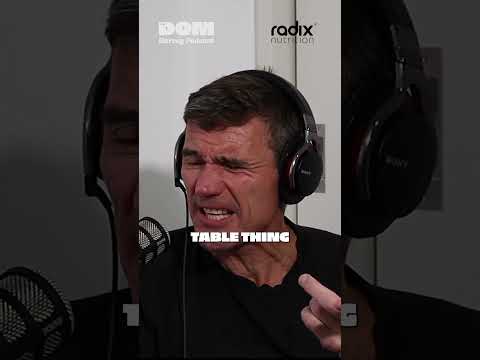
Penny Taylor - Surviving Meningococcal, Life as Double Amputee, and more!
Ask about Dom Harvey
Episode Description
EP84 Runners Only! with Dom Harvey & Penny Taylor
Chances are you don’t know who Penny Taylor is. But hers is a story worth listening to. She’s an inspiration. And offers a reminder that bad things happen to good people and whatever it is you are going through; you CAN get through it.
In November 2009, Penny Taylor, a single mum of 2 from Palmerston North contracted meningitis and was given 30 minutes to live.
She not only survived. She thrived.
Despite being told by doctors that she would never walk again, she has 2 prosthetic legs and is fitter and more active than most of us. You can follow her on inspirational Instagram account @fitness.amputeenz
Penny doesn’t do a lot of this stuff, so I appreciate her sharing her story and going back to some pretty bleak times and I hope you guys like it too.
Thanks to Radix Nutrition for sponsoring this episode. Check them out at:
Listen via Apple Music: https://rebrand.ly/RunnersOnly_Apple Listen via Spotify: https://rebrand.ly/RunnersOnly_Spotify
Who should be on the podcast next? Message Dom Instagram: @domharveynz Email: [email protected]
Video produced by: Dougie Mackie / @DougieMackie https://www.instagram.com/dougiemackie/?hl=en https://www.dougiemackie.com
If you enjoyed the podcast and would like for your business to sponsor an episode, please email [email protected]
Read the full transcriptHide the full transcript
- hey Runners only with dime Harley Runners only with dom Harvey and um evidently an old friend of mine Penny
- Taylor hello hi how you doing yeah you're good this is slightly awkward we just established that we're like old
- mates from palmy North you you were good friends with my girlfriend Kim I was remember and I'm sorry
- a lot a million years ago yeah it is wonderful to have you around here on the podcast uh we follow each other on
- Instagram I've been inspired by you I know a lot of people that'll be listening to this or watching this will
- be like I don't know who Penny Taylor is um and if that's you I urge you to stick
- around because it's a it's a hell of a ride well this has been your reality for like
- the last 14 years and I I wonder this is the first time you've gone on a podcast
- um how do you like how does it make you feel when you tell the story um sometimes like one-on-one I'm really
- good I can just tell the story to a big crowd I get emotional which is weird um and I've never really I've always
- shied away really I haven't really talked about it that much I'm okay with it um but just have really put all my
- energy and focus into recovery and surviving those first few years and now thriving yeah oh it's it's so
- inspirational the the getting emotional in a big room thing do you think that's because you sort of feed off the energy
- of the crowd you see the the emotion that they're going through and you sort of feed off that maybe yeah I don't know
- it's just something weird it's like I know other people that can stand up and talk about their stories like really
- confidently and I admire them but it's just not something I can do really yeah okay well let's get into the story that
- we're talking about um take us back to 36 year old Penny Taylor in November 2009.
- yep so I was a single mum so I had Sam who was seven and who was now 20. um and Jade was three and who is now 17.
- um and so we were just you know it was November it was a busy time at work it was also a social time at work you know
- with Christmas parties Etc um and um yeah we did have function on the Saturday night for work
- um was completely fine didn't overdo it you know too too too badly your foot you're from Palmers to North we we were
- swimming in the same Waters yeah a apartment you're not overdoing it that's a couple of bottles of wine yeah that's
- it and we finished off at the dirty old cob um anyway um yeah so then the next few days went
- by um and then on the Thursday morning I woke like really early about five o'clock in the morning and
- um just felt nauseous and was gonna almost just vomiting and so I was dragging myself to the toilet vomiting
- going back to bed um I had the kids at home with me um I did manage to text their dad and
- say could you pick them up and take them to school because they don't think I'll
- be doing that today so he was good he come around picked them up did what he needed to do with them
- um he did realize that he thought I didn't look that good um and he did alert my mum and said that
- um he'd been around put the kids up didn't know how well peony actually was at that point in time so to me all I'd
- had was vomiting so um as the day went on I just continued to be in and out and sleeping vomiting
- sleeping vomiting basically um four o'clock in the afternoon my mum finishes work and I'm
- resilient for and I just have to lock the door like I never not lock my front door it's just a
- thing I've always done and for whatever reason this day whether Jason didn't lock it on his way out or
- um I don't know how but it was unlocked where do you live in public library you would think so wouldn't you yeah
- yeah for anyone that doesn't know their geography they're like the bad area yeah
- yeah um and so fortunately it wasn't locked so my mum finished work she came by um came in and I was unconscious at that
- point and she was trying to raise my you know alertness and she couldn't she couldn't get anything from me I don't
- remember her arriving at all um and so so I'm just going to pause you there so in the space of like 12 hours
- you went from the start of like what you assumed was like a flu or a virus so it was like
- five in the morning yeah that I first noticed feeling unwell and this was four in the afternoon 11 hours later yeah so
- what I put it down to is a vomiting only was I'd picked up a bug from the kids like Jade was at daycare and Sam was at
- school so you know if you like everything yeah so that's what I had thought but by the time mum had got to
- me say around 4 30 I think it was um I was incoherent and I don't remember her arriving
- um so because she couldn't raise you know anything from me she rung the ambulance they turned up
- um I have no recollection of this at all mom said when they put me into the ambulance they had alluded the hospital
- that it was like code four or whatever it was they had given me half an hour to live by the time I arrived
- um and Mum said on my way to the hospital she's noticed a black spot on my leg and then by the time I got to the
- hospital the black spot had grown all the way up my leg and was basically taking over my body which was just like
- your limbs dying yeah so that's the meningococcal so once so literally they they threw me
- into a e um everyone was gowned up from head to toe with the big like white masks
- everything um so you remember this or you just yeah um so they tried so they quickly
- realized that it was meningococcal and they quickly tried all the normal drugs that they would give you to do that to
- try and slow that progress down I was well too far gone by that stage um so then they put me up to ICU and I
- remember mum saying that the doctor had told her to take me like to the nurse take me straight up I needed to get on
- the machines and they were dilly-dallying around in this doctor let rip apparently because the time was so
- crucial so we got up to ICU and Palmerston North Hospital and I was literally strapped to
- everything no one to mankind at that point they had given me so by the time they stretched me all up they realized
- the extent of it all so all my organs had failed so my liver my kidneys everything internally was failing at a
- rapid rate and I had a temperature of 42 degrees so I was literally frying from the inside what's it supposed to be 36
- 37 is normal yeah um so with that so like literally my body's just been taken over by this virus
- um I swelled up to twice the size of me so I was kind of really unrecognizable I
- it just had ballooned out um so they put me all on the ventilators Etc and then one of the doctors just went
- away and just started researching he realized I was 36 years old he realized I had a young family he's like we need
- to do something so he rang around all the hospitals in New Zealand to ask what drugs they had used for meningococcal B
- case so I was miniature cocoa bee what does that mean it's the different variant of it so the most common is like
- the W which was up in Northland like there was a big mess they did a big vaccination program up there because it
- was taking over some of the schools but B was one they didn't have a vaccine for
- um and they have now created it from my records um but yeah so they so they ventilated me put me into a coma
- sort of said to my mum and dad and everyone that I would they protecting 48 to 72 hours that's it people that need
- to come and say goodbye need to come up also you were you were basically on life
- support um oh my God yeah yeah all right you don't remember any of us none of it at all I have no idea what
- the family what everyone else went through I can only imagine it's harrowing yeah it's harrowing yeah
- um just you're just just pausing pausing here before we move on it's such a I mean this
- or spoiler alert you survived you're here now on the boat there's so much to be thankful for like the I don't know
- the hunch or the Intuition or whatever it was from your ex to like get in touch with your mum like there's so much that
- did go right yeah otherwise you would have just died there in bed presumably I would have yeah a couple of hours later
- a couple of hours later yeah that 100 they said that that would have been the end
- um I would have been found because you hear about those stories don't you with people that have contracted managercocca
- and they've woken they haven't woken the next day um gone to bed thinking it's a cold or a
- flu and not woken up um and I think that was the difference with me is that I didn't have any of
- those other symptoms so all the other ones that they say is like you know the lights you know your eyes are painful
- with looking at light um the headaches the runny nose all those fever type things I never had that
- I just had the vomiting that was it yeah how do you how do you catch at it how can you avoid it so everyone carries it
- so everyone has it in the back of their throat and it's just so you could be a carrier and never pass it on
- um and never get sick yourself or you could be a carrier and pass it on and so saliva based obviously with being in the
- back of your throat and um it can be as simple as picking up someone else's cup or sharing a drink
- and you have left your saliva on there with the um disease and I've picked it up and
- it's taken over my body can be as easy as that young girls with lip gloss sharing that and that's why it was so
- um heavy and the young kids like little preschool children because they put everything in their mouth so it takes
- over all the time and then also teenagers in University hostels so for me to be 36 was a little bit out of the
- box and then after me there were quite several a lot of several cases of people in the same age bracket that we're
- getting it so it then kind of was discovered that it not necessarily is it in those two age groups anymore so what
- what can people do to avoid it is there anything in that that we can do don't share drinks okay don't just be really
- conscious about what you do so um my kids was drummed into them at a very young age not to share anything
- um you always tell your kids to share but don't do it this way um yeah so it's just it's just it's one
- of those things really you can't actually do a lot to prevent it yeah I mean yeah it just seems like it's a bad
- lack or a bad roll of the dice really doesn't it yeah yeah okay so so you're around your own life support and
- Intensive Care Unit at Palmerston North Hospital um your mum would have told you this I'm
- guessing did they come in and say goodbyes and things like that yeah so um they had to bring the kids up
- um and the kids were three and seven so they had to try and explain so Jade doesn't she was three she doesn't really
- remember a lot but I think Sam does more he was seven and of course I didn't look
- like mum because I'd swollen I was like filling the hospital bed and I just didn't look like me so I don't really
- no I don't I haven't even really asked how well that went because I don't really want to know because I can only
- imagine that it would have been heartbreaking yeah how old is your son now 20. he's 20. yeah yeah yeah do you
- ever talk about it or no you just yeah we do yeah we talk about it yeah we do talk about it over the years and they
- know exactly how lucky they are to have me still here um I suppose that makes it less
- triggering I mean if if that was his last vision of you it's the sort of thing that would give you PTSD yeah but
- the fact that you've um you survived it and you are thriving as you said before and you've an incredible role model for
- them I suppose yeah yeah it sort of takes away the sting of that hospital visit yeah that's it so
- um yeah so I don't really I don't think that I don't know how well that went but
- yeah then I just had like all my nearest and dearest obviously came in and um saw
- me um in the meantime the doctor that was ringing around the hospitals um came back to mum and dad with this
- drug and don't ask me what the name is because I can't remember um but it was really left field so one
- of my other friends Kelly um she was a nurse and so she was kind of the alongside mum and dad
- putting it into normal terms for them to try and understand what they're talking
- about so Kelly said is pretty random it's not a drug that they no one else had used it and it's not a drug that
- they would have um used normally but mum and dad said well it's worth a shot try anything
- right let's just do it so they shipped it in over the course of the weekend so this was a Thursday night I was admitted
- and so they started shipping it in on the Friday the doctor that shipped it in went on
- leave on the Saturday and Sunday and he didn't expect to see me on Monday that when he left on Friday he thought I
- wouldn't be there so they started administrating this drug and by the Sunday afternoon I did a
- teaspoon of wheeze which they all celebrated and was jumping around because that proved to them that my
- kidneys were starting to do something and so even though it was only a teaspoon but it was
- they even know were they like monitoring your everything else in your bladder and
- yeah right absolutely you're like honestly I was hooked up to so many machines it was yeah I've seen photos of
- it and um yeah I was there was no there wasn't much room for anything else I was jabbed everywhere yeah
- um so yeah so that indication of the teaspoon of wheeze was like okay we're heading in a good direction still
- obviously very critical I was still in a coma um so they just kept administrating it
- over the course of the next couple of weeks yeah um is I think it was about a month uh in a coma they decided that
- they would start to bring me out um I hadn't died so they were like okay let's bring her out and see what happens
- um because of all the internal organ organs failing so I was on dialysis for my kidneys
- um and then so that was going 24 7. um they didn't know how I was going to be because I didn't have any when people
- talked to me I would say things Way Way Back in the past but not in the present well this is when you just came out of
- the Cove yeah do you remember any of this now so I have some vivid experiences of coming out of a coma and
- I yeah it was it's horrific like they say hallucinations and it's seriously it's horrible
- um like what well there was I I remember this so there was um so they had started
- so over the course of three days they're bringing me out of this coma and they had to do it very slowly they thought
- that possibly I might be a little bit brain damaged because of the temperature that I had
- um fortunately I'm not but um so I guess heading towards the end of coming out um that's when the hallucination started
- and I just had this Vivid feeling that people were chasing me and they wanted to kill me and it was Vivid
- like so vivid and um to the point where an ICU you don't have to have this side of the beds up because
- patients generally aren't going to go anywhere when you're in ICU but these were so vivid the power of the
- mind at one point I literally I lifted my body attached to all of those machines and I threw myself on what I
- thought was a wheelchair so I knew that I couldn't walk but I threw myself onto a wheelchair thinking I could get away
- from this person that was chasing me might sound like a nutcase but it was seriously
- um is this is this the the drugs you're on or yeah it's the drugs are coming out
- of the coma yeah and you've got to get a hold of some of them yeah I know it was
- not pleasant let me tell you um and then I just I landed in a heap on the floor so of course everyone in ICU
- were like mortified they've never seen that happen before in their life that someone that was in a coma could do that
- um so then they had to pop me through the machines to make sure I hadn't broke working anything
- and now DSA at the ICU they have the side rails up now because well they changed the rules because yeah yeah
- um wow so yeah so that was horrific it was like not for how long how long do those hallucinations like forever yeah
- it felt like forever for me I don't know how long it actually was but it just felt horrendous
- um so when in my grogginess um you know I was saying really random things to family and stuff some some
- things made sense some things didn't so that's where they were really dicey about whether my brain was actually
- gonna function or not yeah um so I guess after a course of about a month um they were trying to because I needed
- dialysis and I also needed to have my legs looked at because I looked like I had frostbite
- are you so you still had all your limbs at this point yeah yeah so I hadn't had any surgeries whatsoever because I
- wasn't well enough to to enjoy any ECGs so um yeah so you see frostbite and that's
- what I look like I was black like literally black all over um fortunately my face didn't get
- affected um but yeah fingers hands torso no torso was fine but my arms are all scarred
- Emma oh they are yeah and my legs what's this what's the scarring on those arms from so that's where the meningococcal
- ate away in my body yeah and so then also just like eats away at the flesh yep yeah so that's what the meningococcal
- does and then of course when your organs fail you then go into septus and so then
- I went in to septicemia and that's when you that's when it starts to go gangrene
- looking and that's when your limbs become affected so yeah oh man that turn around happens
- really quickly yeah yeah yeah okay so um so is it is it obvious to you that you're going to lose the limbs or are
- you just not thinking about anything at that I didn't even read registered yeah like no it's been in a state of
- bewilderment so you don't know what's going on I hadn't had no idea what what had happened I had no idea how long I'd
- been in hospital for um and I knew that I was sick but I didn't because I was pinned to the bed
- by that I had no idea what what everything looked like um and so they were trying to so that I
- needed dialysis and I needed to have basically my legs amputated and at that stage they were thinking they might be
- able to just do my feet but it really depends how far they what they what they think of
- um and then um is that a decision that you make or is it a decision your mum makes on your
- behalf or the decision that the doctors make so that's just like not no choice in the matter it just has to be so they
- basically had to go up up my leg till they reached some decent amount of Flesh skin
- you know everything that looked like would be able to be healed so I remember them saying to me so so this went on for
- a while and then in the end I remember saying to the doctor look can we just make a decision and get this thing going
- because I'm just like looking around here um and what they were trying to do was
- they were trying to get me to be transferred to waikato hospital because their dialysis and their Plastics unit
- Etc were all in within the one Hospital yeah but because I was in Palmerston I had to go my region for that sort of
- thing was Wellington so I had to go to the lower Hutt Burns unit and that meant I had to endure a trip
- into Wellington Central Hospital for the dialysis so it was in two separate hospitals and it was horrendous
- um so they were trying to avoid that situation but they couldn't waikato wouldn't take me so I had to go down so
- they flew me down to um lower Hutt in and they treated me like a Burns patient so when you had
- Kelsey on the other week and I listened to her story about the burns and this is
- Kelsey wear corn uh the white island Survivor yeah I resonated with her so much because the treatment that she had
- was very similar to mine yeah obviously hers was a lot more over her body but um
- it was the same kind of treatment so I was put into the burns unit and then I luckily
- to my I'm so grateful I went there now at the time wasn't but now I'm so grateful
- um because I ended up with Dr sweet tan who was a really excellent plastic surgeon and he was able to he said to my
- mum I we might we'll try for the feet but we'll just have to go up as far as we can but if we can do anything we
- would love to be able to save her knees because as a bilateral amputee having these is going to make life so much
- easier for her so so all this is happening in your blissfully unaware blissfully unaware
- yeah yeah which is probably a good thing yeah it's interesting I mean yeah it's interesting there's two ways of looking
- at it I guess because I I had a another remarkable woman on the podcast last year called Rachel Meyer who's um a para
- climber and she had an accident um when she was kidding when she was a kid and broke some um bones in her foot and she
- ended up opting to have um her leg removed as an adult so she went through the whole grieving process
- of like fear Welling it and making this decision and coming to that decision but
- that wasn't even an option for you no no option so that was more about survival yeah so they had to get they had to do
- it to in order for me to live yeah that was where it was at yeah so they um my literally my mum and like the
- family had to say goodbye to me again at that point because it was a 12-hour surgery to do the amputations and they
- the state that I was in they didn't think I would come out of it oh my God you're you're a poor parent I
- know oh my God we'll get to we'll get to the the horrible stuff that you went through on the road to recovery
- afterwards I mean yeah but but meanwhile you're blissfully unaware of all the that's going on your poor mother I
- know oh my God put it put them all through yeah so much and I can't imagine what a role how long was this roller
- coaster for that they were on oh she might make it she might not this is happening she might not make this yeah
- so this was like four weeks down the track and then I was three weeks in Wellington while they did all the
- surgeries um who's looking after the kids at this time just the year so they were all down
- everyone was down in Wellington Jason had brought them um down as well so he was really awesome and supported
- everybody in that way um and then yes I went into the surgery um Swede tan managed to basically patch
- quilt my legs to be able to keep my so they were scripping around trying to find some skin so they
- um had to take skin from all sorts of places to try and be able to do all my arms and my legs
- with where the miniature cocoa would eat it in them away and then also try and amputate my legs and then
- patch them up with skin so from a skin graft or yeah yeah so I got grafted from my back and my and my torso
- um which was probably more painful than the other areas because it's like a graze and it's horrible
- um but I owe my knees to him because he did whatever he could to save them and I'm so grateful for that because
- having your knees is so much more functional than being above knee it's like a lot a lot lot harder
- so then over the course of those three weeks I was in and out like so I would endure literally nearly two
- surgeries a day while they were either checking my grafts to make sure they're taking
- um or going in and doing the next lot and then in between times they would come in at the in the morning at six in
- the morning to do my kidney readings and if they were no good they would then put
- me on a in an ambulance and send me through to Wellington hospital for my dialysis and
- so what they would have to do because I was like Kelsey where I couldn't be touched like it hurt like it was painful
- I was sucking on the gas every time they touched me moved me so to endure all the
- bumps on the road in an ambulance all the way to Wellington hospital was horrific so they would drug me as much
- as they could to get there and then transport me over to the dialysis bed do the dialysis which takes all those drugs
- out of your body and then I'd go home on nothing and it was horrendous so I did that for
- um three weeks and that was it was not um not pleasant at all but fortunately and I'm really grateful that the my
- internal organs are really good and they've all recovered and um yeah that's that's been a huge thing
- yeah that's amazing so for those three weeks you're you're fully conscious and aware of what's going on and you can you
- remember the moment you got told about about the limbs yeah so actually my reaction to losing
- my legs went wasn't that I was okay about that yeah like it didn't I think that's the drugs you're on or probably
- just because you were so like like beaten and deflated yeah yeah I think I was just
- I think I was just like oh my God I'm alive for a start and then trying to process actually what had happened
- um but I was more surprised about my arms and my fingers and I didn't but I don't know why that really confused me
- as to why they needed to take them in um but when I see the photos of what they looked like I completely understand why
- they had to because they were literally we were going to fall off otherwise yeah
- because they were black so um but yeah that was probably more of a surprise and then Mum would obviously
- fill me in a little bit little by little as to what happened and um so I could get my head around it
- slowly um yeah so you're out of the woods at this stage yeah I would I I would say so
- fortunately for me my graphs talk really well I never had to have any redone um and so I was really lucky in that in
- that respect and they they think because I was cut into fitness beforehand that I
- was reasonably healthy going in so they don't know whether that was a thing or whether I'm just lucky
- um so yeah so over those three weeks I couldn't wait to get back to Palmerston like I just was over Wellington
- um and I I guess I just I needed to go home like that's what I keep focusing on I was like I just want to go home
- um after that so yeah so how long are we talking now for Hospital the time you spending party plus the time you spent
- in yeah so we're up to a couple of months okay yeah no wonder you wanted to get home yeah of course yeah so and like
- no one could come no one really came to visit because I they weren't they couldn't because I was so acceptable to
- bugs as well so they had to be very careful about who visited and and whatnot so I just had the same kind of
- rotation of people coming um which was fine like and then when I got back to palmy I was able to see my
- friends which was a big um positive step in the right direction but I wasn't released time I had to go
- back to the palmy hospital and so once they got me all sorted as far as that's go then I went to the
- rehabilitation ward in in palmy which was probably my worst part of the whole experience really why so
- um because it's like 70 and 80 year olds that are in there and here I was at 36 some of the nurses were too scared to
- touch me like because of everything that was going on um in the end the ICU nurses would cause
- I'm scared to touch you because you'd yelping oh my grafting and yeah just like the the you know the skin changing
- and the scabs that were all over my body and yeah they just didn't really know how to
- deal with that they hadn't seen anything like it yeah yeah yeah it was a lot yeah
- when you get a um yeah Polytech in Palmerston to become a nurse You're not expecting this no no no no and and
- thankfully I had made good friends with the people in the ICU unit and they would come and visit me and um and they
- would make sure I was doing all right but it got to a point where I was over it I was so over it and I just wanted to
- get out just frustrated yeah and um so my friend Kelly that was a nurse she came and got me for the day I was
- allowed to go out on day leave so she came and got me and she took me back to her house and I was in a wheelchair at
- that point so that was navigating trying to get in and out of cars Etc so this is
- how long after the November when you got sick so we're talking um mid-January into January
- so it's a Christmas that year yeah totally yeah yeah but you did get leagueless yeah I did so I shouldn't
- make that joke you're the only one that should be able to make that no no you're
- fine okay so I've heard it all before yeah so so we're up to mid-January now and are you um so you're over it are you
- um up until this point like have you have you been like like positive and optimistic or were you when you went in
- like a deep depression or anything no no and they were expecting me to do that like I'd get the um people to come in
- and they were how are you doing I'm like yeah I'm good and then but they were expecting me to say you know they're
- like it's okay if you're not good and I'm like I'm no I'm okay and um yeah they and it was almost like they
- were expecting me to to have something like some sort of reaction which is probably quite normal yeah did that come
- at some point no no no where does this come from is this the is this just your DNA is this what you were like
- beforehand and you you know you've always been like a just a tough resilient person do you think I think I
- think I probably I am like I don't I mean regardless of how to happen how resilient you are like no one ever faces
- a challenge like that until they have to face yeah I know and you don't know how
- you're going to react exactly so yeah um well that's lucky because that would have been yeah I was I was I was really
- good um I think there was a there was a patch probably when I had left hospital and I
- had started to go back to work etc there was a patch where I would get a little bit anxious about going into big
- situations like big gatherings why because of people staring at you or yeah I don't know I think that might have
- been it but I got I got over there that just didn't last for that long um but I do remember that little patch
- yeah so at this point are you in a wheelchair yep yeah okay so you've just got like I'm imagining like bandaged
- yeah so bandage stumps um and they were really swollen um because they take a while to you know
- lose the fluid and stuff um and so yeah in a wheelchair so of course my left hand is not that good so
- I just went around in circles in a wheelchair I was hopeless I couldn't Propel it at all
- um so they're frustrated the hell out of me so frustrated yeah so you needed someone to push you essentially pretty
- much so they end up getting me an electric chair because I couldn't do it by myself I just literally I would have
- been useless in a wheelchair basketball team or a rugby team like it just was never going to be a thing
- um and so yeah so uh Kelly came and got me that day I went back to her house and
- I said to her I don't want to go back and she's like I'll ring them and you can stay the night here and she said
- we're nurses we've you know we know what we're doing so she rung them and they said yeah that's fine she needs to be
- about the next day so um Kelly had made a big bath and they'd managed to get me into the bath and I did normal things
- and it was like oh this is amazing you know like and I had a nice sleep in a nice big bed and it was just lovely
- um so the next day when I woke I said to Kelly I'm out I'm not going back and she's like well we'll have to go
- back to get you out and I was like yeah okay so we pulled up to the rehab board and we just started packing up my room
- and the nurses come in and go over what's happening and I'm out I'm leaving and they're like
- well and like they were trying to get their heads around and I'm like I've had enough I just need to go home and um and
- so they said to me well if you discharge yourself then um you know if you need some more
- medical assistance in the future you won't be able to come back to the hospital because you discharge yourself
- and I was like man that's weird so you're all in or you're all out yeah yeah yeah and so okay yeah Kelly being a
- nurse basically that's a load of yeah fake news yeah and uh so we packed up and and off we win and like
- from that point on I never looked back um but at that before I had done that so probably going back a two weeks before
- we had this meeting with all the doctors and all the physios and all everybody there's a big room full of everyone and
- it was me and Mum and so they sort of gave me my diagnosis at that point so they said to me that I would likely be
- in hospital for 12 months so we're at three months at this point so I'd likely be there for 12 months
- um I probably wouldn't walk again because of the scarring on my legs they wouldn't cope with the Prosthetics
- and probably unlikely to go back to work and I was thinking well that's awesome yeah how does that conversation go down
- yeah you mentioned before you were physically active and physical person prior to this
- um yeah what's that moment like yeah you told you're not going to walk again yeah
- so I think at the time I was like looking at them as if to say are you serious so is the room just spinning or
- yeah I was just like trying to absorb what they were saying and I was you burst into tears or what no I didn't I
- went the other way I went and I'll prove it right I'll prove you wrong don't with Penny yeah I literally and I said
- to mum that's not going to be my story and I said no there's no way that I'm gonna I said what is the point in
- surviving if I can't do the things that I want to do like I'm here I've got two young kids the choice I need to make is
- that I've got to live and I've got to find my new normal and be able to make that work for the best way that I can
- for me and for them and I was definitely not going to be in hospital for 12 months and I definitely was going to
- walk again and there was just no way and for my own mental state going back to work was the best thing that I could
- have ever done yeah how long was that that was quite so nice six months yeah six months later so you went back to the
- same job yeah how was how was that so I was so super lucky um what were you doing by the way I was
- working for user bus in Palmerston North the bus company and um Justin Allen was
- the managing director um installers um and they were amazing so the building wasn't set up for a wheelchair so they
- took down walls they um moved shelves they had a bell in the toilet in case I fell off the toilet
- when I transferred from the from the um wheelchair to the toilet like the girls in the office went well over their job
- description and helping me um so they made my transition so easy and they just made it work and I turned
- up when I could turn up and I left when I was tired fatigued yeah yeah there was
- a lot going on with your body still at this point yeah yeah so um initially Justin thought I had set me up at home
- and then he had a change of heart and said actually if you come into the office at least you're with people and
- it's um and it was the best decision yeah it was in by by sort of two in the afternoon they could see that the drugs
- that I was still on were starting to wear and and so they would they would just call my Mobility taxi and come and
- get me Chuck me in there in a way I'd go home and sleep for the afternoon what drugs like pain relief or yeah yeah yeah
- you want anything now or no no no wow that's amazing yeah should that's good yeah do you just put that down to
- determination leather speedy recovery and just getting back to trying to figure out what your new
- normal is yeah I'm pretty tunnel vision like I do and I do yeah I guess part of me was it was the
- drive was having young kids yeah you know and and wanting to be a a mum that was still fully involved
- um and then I saw it's heaps to live for so I was like you know I'm still alive I've got a
- I can either I the way I said it to myself I've got two choices I could certainly feel sorry for myself and kind
- of that be it or go get go find what my new normal is and and go go and go and take on any challenge that came
- along and that's literally what I did and if I couldn't work it out I'd figure a way how to work it out oh how this is
- this is so cool for your kids what a good role model yeah they think I'm a tough mum however you are you're a
- badass yes and I'm just thinking if I was a double I think I'm a people pleaser by Nature
- I'll be the worst dog I'd be like no you you'll be fine you'll walk your legs will probably grow back even that's what
- I would say I'd probably like I over install confidence in people so so we're uh so it's so you you have got
- prosthetic legs now yeah um and you live a very active life this is how I discovered you through your Instagram
- account fitness app amputee which we'll get to um so how did how did the leg thing come
- about after you got told you wouldn't walk again yeah so um about so after that meeting I went
- down to the Wellington limb Center because it was the local one and they they looked at my legs and they were in
- a narrowing and thinking what what are we going to do with these um because of the scarring where were
- they cut like uh just below the knee yeah so I don't know how far down um but the scarring was the problem
- because traditionally with sockets you've got like a liner on like a rubber liner in the friction when you walk
- because you're literally walking in like buckets so you're just like sitting in it and so the friction is quite a lot
- and they thought my skin would break down all the time which it did um so they end up getting thicker liners
- and I kind of got by with that but I watched like a robot like I literally wobbled from side to side and it was it
- was like a 1970s robot yeah and it was hard like it was hard work it was exhausting
- um in yeah that whole transition was hard but I did it for six years like that um and then I discovered that my I was
- getting new sockets made all the time because my legs just lose volume over there so you wake up in the morning
- where you've been lying horizontal all night when you stand up your legs are a lot bigger but by the afternoon of
- walking on them all day mine were shrink like enormously so I was forever getting
- new leaks made and I was getting really frustrated with the system down there um at one point they said to me oh
- there's not much else we can do so you can either have those legs or you can go back into a wheelchair and so that kind
- of for someone like me to say that it was like not received well yeah um and so then I started looking around
- and I looked over in Aussie and I went to Australia looking at well I went to a like a Expo and I was
- thinking that I was more looking for the feet thing to give me more flexibility when I walked rather than being a robot
- because my knees and hips were getting sore because I wasn't walking normally um so that's what I my intentions were
- was to go and find some sort of better feet option when I got there I was looking around
- and I was talking to one of the brands you know to people and he said to me or you should go next door and listen to
- the surgeon that's speaking about Osteo integration and I said I can't have Osteo integration because I'm baloney
- and he goes you're a kiwi and I am and he goes That's because you they don't know in New Zealand that you that it is
- an option and I was like oh okay and so I win and by the way just pausing you there that seems absurd yeah that you
- can be a three-hour flight away and there are yeah anyway yeah yeah that's an eye roll moment yeah it is an eye
- roll moment and I always felt like the um limb centers it was like a secret society almost like they didn't give you
- too much information about stuff and I've learned so much more about Prosthetics with having my connections
- in Australia since um so I went and sat in and listened so it was with um Professor mongodel Medeiros are you a
- big fan of his work he's an incredible guy yeah yeah I bet um so he's got a story of his own he's a
- refugee from Iraq and came out on the boats and so he's got his own book Etc all about that anyway he was an
- orthopedic surgeon and he always wanted to give back to and make lives easier for amputees so
- he remembers watching the Terminator as a kid and thought I could do that for amputees and it has been around for many
- many years like in Sweden and Germany but they hadn't quite perfected it the way munjid has now
- um and so I was listening to him he was talking about baloney I was like this is
- okay this is positive I'm liking this and weirdly after he finished speaking he came and sat next to me so it was
- like it was meant to be and um I said to him so you do do below knee and he goes yep
- he goes That's what I just said because he's got that kind of manner and I was like okay and he goes you're a kiwi and
- I went yeah he goes are you interested and I said yeah I am he goes when do you go home and I see Tuesday and he goes
- come and see me tomorrow so this was a Sunday so I um and then the lunch break has
- um off-site a Belinda came and sat with me and her auntie had died of meningococcal so she kind of resonated
- with my story and um so anyway I went out the next day he did all the tests on me bone density
- scans just to make sure that I had strong enough bones for it um told me the whopping price
- and basically what I needed to do so I needed to go back I needed to go back to one of his clinics have some
- psychological testing to make sure that I was okay that I was an amputee that I was going to be okay with a piece of
- metal hanging out my leg oh really what is it like a counseling session or is it
- a quick questionnaire what is it uh it's a one-on-one right with a psychologist and they just ask you random questions
- about about your life how it happened um what you do currently so they're trying to assess whether you're hiding
- away from The Real World or whether you're still out there being involved um so I passed there obviously I was did
- you have to think about the answers like were you thinking what would be the correct thing to say here you just
- answered I just answered honestly yeah I'm in then yeah and I met a couple of um amputees there so I could see the
- product I could see how they were walking what they were doing and it blew my mind I was like this is amazing
- um so it's it is really amazing technology so that it's literally it's a titanium rod that is
- implanted into the tibia bone for me or the femur for above um through surgical procedures my rehab
- was two years letting the bone and the implant integrate into each other which is a slow process so what does that two
- years look like so that was wheelchair so you go right back to the ground Groundhog Day so you have to have your
- head back in that space so back to a wheelchair then once that was kind of around a month and then I was up on legs
- with two crutches taking most of the weight so and then once you got through that then you dropped one crutch and
- then you're loading like about 20 and then you move forward to no crutches and then you just start walking not
- overdoing it how's that in the beginning is it what's as the balance once difficult or is it painful on the on the
- stumps or the bones weirdly it's not painful you would think it would be but it's not if it it looks painful like you
- you lifted up your actually do you want to lift up your leg now so we can see it
- on only if you want to I don't mind um it looks painful looks like it should be painful but it's not painful at all
- no not at all um just for the people that are watching this on YouTube for anyone that's um
- listening to the audio version you won't see this so that's that stays on by the
- way cool New Balance shoes aren't they cool yeah so what bit comes off so so this part
- closest to my leg Yeah is in me permanently and there as an using Allen key and I take from there off down so
- when you go to bed at night what do you some people leave them on yeah I don't I
- take my legs off yeah you've never had a thing where you've woken up and you've forgotten and
- tried to get it no no no no no no that is amazing technology isn't it it's incredible yeah
- um but the the coolest thing about it is that for me because I was only an amputee six months six years before
- having the surgery it's reconnected all my wires and so I can feel the ground the concrete the grass
- yeah how yeah that's amazing holy that's incredible yeah and that's something they didn't know was going to
- happen with the surgery and it's just over the um time so if you were born an amputee like you know you don't have
- that connection yeah so that doesn't happen but the the least time that you have been in a socket before you go to
- Osteo integration generally people are feeling yeah the differences and and what about
- Phantom pains can't get it I've been fortunate I I I've been really fortunate I did have it
- right at the very beginning and it's excruciating and horrible um but yeah I'm really I'm one of the
- really lucky ones I do take magnesium and I'm religious with magnesium um and I have done it from as soon as I
- got the surgery monget said start taking magnesium and I take it religiously every night and I don't know whether
- that helps um or not but I've always been really active so I don't know I just some
- people it's really horrible but I am I've been lucky that that hasn't affected me
- yeah you're remarkable aren't you you you really are like meningitis picked the wrong person yeah I know it
- really did it shut your teeth I suppose times like this you find out just how tough you are yeah yeah people
- say that like they always say you know you're one strong lady or whatever and it's like yeah I guess I am I don't
- really think about it I just do what I want to do and make sure that I'm doing it the best way that I can and having
- this surgery so while having to go all the way back so I did have to learn to walk again because the wobbling that I
- was doing in the sockets wasn't how this was going to work with the implant so the implant is aligned like laser
- aligned so that you're completely 100 in line with your legs and um so I had to learn I had to go right back to the
- beginning and I lost that thought I had to say it to be like a 36 37 year old learning to walk again yeah it was weird
- like it was rewarding because I was taking my first steps again in this new system frustrating as well because I
- just wanted to go um and I had to be patient I'm not the most patient person in the world
- um and being patient I had to learn that really a lot because I had to wait for a
- few years before I could actually start doing what I could really wanted to do um which was like exercise yeah yeah and
- just keeping up with day-to-day life like you know like generally in a socket I would if I was invited somewhere I
- would have to think about the access I would have to think about how I was going to get in and out
- um was the ground going to be slippery was it you know all those things would run through my head in preparation of
- going anywhere now I don't even think about it I just do it I can walk up the hills in Wellington I can
- I just do life like to the fullest and I can keep up with all my family my friends
- um yeah how much was that operation you said you said what you want to go there and I just remembered you said before it
- cost a ton of money not covered by any sort of insurance or no did you set up a give a little or
- anything like that I did um we did do some crowdfunding and that that definitely helped
- um if you don't if you don't want to answer you don't have to answer but well it's a it's a really good size deposit
- on a house oh my God yeah yeah but necessary for you the quality of life you've got I'd never go back
- like money well spent yeah it was money well spent and I was really fortunate like manger was really
- very very giving for me because I was as first kiwi and first miniature cockle patient
- um he kind of gave me a pretty discounted rate so he contributed a lot to to my surgery as well so I was really
- super lucky with that then some crowdfunding and then um yeah paid the rest lived on spaghetti
- for a while um but yeah so we got there in the end um and I'm I for quality of life it's
- it's money well spent I would never not have it now it's not for everybody for sure
- um and it seems to be that people that have are not healthy on the inside don't always respond that well to Osteo
- integration so um yeah you've kind of gotta you have to keep yourself healthy yeah
- I mean we've established that you're strong and you're resilient and and very very tough but there must have been some
- like just I don't know awful days or awful moments we just frustration gets the better of
- you yeah they generally happened at the limb Center just out of frustration yeah it was
- really frustrating and that whole socket journey I hated I really did it was I found it really restricting
- [Music] um and super frustrating and that was probably yeah that was that was tough
- because it just it didn't work for me um and my quality of life was nowhere near what it is now with those sockets
- um and yeah I guess there were times you know like when the kids were going on school camp and things like that and I
- would have loved to have been a peer and help but physically that wasn't something I could do at that time so
- yeah I had to kind of suck those kind of situations up and just just feel sorry for yourself for a brief period of time
- out of it yeah yeah yeah I don't tend to tend to dwell on it I like I just want to enjoy the
- light I've got yeah how how can other people um take some of that take some of that
- magic juice like what would you what would you message me or like you know maybe it's just part of your your DNA
- and and who you are and your personality but there's got to be takeaways for other people that you know go through
- about how they can deal with it and make them make the best of a bad situation what do you reckon yeah yeah
- what's your advice oh I don't know um I don't know I guess like on one side you've got to want to do it but you've
- you really you have to dig deep like I had to dig deep so many times to push you to get keep going
- um so yeah you gotta you gotta want to do it and just never give up like I don't give up
- I just if I can't do something I'll figure out a way how to do it or if it's not quite now it's something I can work
- towards in the future to make that happen so there were plenty of over the seven years there was plenty of those
- kind of situations where I can't quite do that now but then in a year's time I could do it if I just keep chipping away
- um keeping healthy is is a big thing like what you Feed and Fuel your body is just so much
- helps with everyday life I reckon yeah was that was that a Cornerstone of your life before the meningitis not not as
- much as a focus like I've have a lot like I eat and drink a lot of protein um and that's because it feeds my bones
- and helps with my legs so um I have a really quite a high protein diet and water I just drink an enormous
- amount of it because I need to keep flushing my kidneys and keep all those internal organs ticking over so
- um it's quite a focus for me yeah I drink a lot of water as well but I'll tell you what I'm not I'm urinating just
- a teaspoon of wheat there's a lot more than that coming out more frequently as well yeah me too now yeah yeah so the um
- the Instagram account um the fitness amputee by the way you should have way more followers than what
- you do have it seems astonishing to me because it you know you're remarkable and it's inspiring and all these and
- motivating so it should have more so hopefully we can boost that up a little bit but when when did Jesus decide to do
- that and set that up and sort of become your public I guess with your like recovery
- and your progress and your journey yeah I guess um so once I'd gone through the rehab and I
- was coming out the other side that's when when generally walking was becoming easy and I could walk a distance and not
- you know have any inkling of any pain or anything like that like a pain in the sense that I've overdone it so once that
- was becoming normal that's when I thought so I got a bike like just an exercise bike because
- I used to do spin classes and that was my favorite thing and I thought maybe I could try that biking's not putting too
- much pressure on my implant Etc yep so I started biking and then it kind of just grew from there
- um and I did I did my first challenge like a fitness challenge with Shane Hunter and Palmerston North who is a
- bodybuilder and he did this Challenge on a on a um just as a for his friends and
- family really and so I did that and I was surprised at what I could do and by no means what I was I doing what I'm
- doing now but it was my start of of that whole journey and then I really enjoyed
- the challenge I spent so I liked that period of time and having because I'm kind of driven by time like with
- you know um an eight-week challenge is like okay I've got eight weeks to do this and see
- the improvements along the way and I started videoing myself because I could see what I was doing then and it was
- more for my own benefit it was like oh god what the hell are you doing there like that looks really odd well you know
- you need to do this better or whatever um and so after that challenger'd finish I went looking for the next challenge
- and I signed up with these girls from Australia it was called move with us and I was with them for three years and
- became one of their ambassadors because they were Amazed by what I could do too and so I was just starting again with
- challenges I literally just for three years went from challenge to challenge all different ones some were Pilates
- some were like glute work some was all over I was just depending what they what was happening and I loved it and I just
- started connecting with other people um one of my friends in Australia who's also an amputee Linda she does them too
- so her and I were like kind of Sidekicks together doing it um and then recently so where I got quite a
- bit of my growth was with a girl in Hamilton which was Elevate and it was with Nick and she I saw the most amount
- of growth in my time with her eight-week Challenge and she she knew my limitations and also
- would try and tweak the program a little bit for me but yeah I grew so much strength in that eight weeks
- to now feeling like I'm stronger than I was before yeah yeah yeah um which leads me to this question which
- is um probably a very I don't know if it's an inappropriate question it's probably a very difficult one to answer
- but if you could go back to 2009 and choose to have the the meningitis and everything
- that's come or not have it Baron made all the bad stuff that's happened all the good stuff that's happened as well
- um would you change it would you change anything um probably I think the reason I get
- emotional when I talk about it is because of what everyone else went through not necessarily what I went
- through and so when I think about that time way back it's about um my mum and my dad and you know the
- kids and all that and even what everyone went through and that's what makes me emotional more than what I went through
- like I just think God it must have been heart-wrenching for them to sit there and see that happening
- um but as far as your question goes I think it's made me the person I am now and
- the journey I look at life so differently yeah and it's such an unselfish answer yeah and I just I don't
- know I kind of seize the moment now like we're I don't often say no to things like I I like to do stuff with people
- um and I just look at I just look at life differently and I just think you know let's do it why not
- so yeah yeah just reflect on that period like you you just can't imagine have you
- I'm guessing you've had numerous conversations with your mum or your parents about it that must have been
- just um stuff of nightmares I know it's that period yeah are you a blissfully out of
- it you were on morphine or whatever yeah I was I was asleep I had no idea what they were going through I know like my
- mum and my brother and all of them like they literally took over the waiting room in ICU and they they slept there
- for days on end um because they just never knew like mum said she just couldn't leave me like
- because she didn't know if I was gonna still be there the next day so she just couldn't take herself away so it would
- have um oh it would have been horrendous and then and then this other admin to deal
- with like the you know the coming up with the narrative that they're going to tell the kids um you know because you
- can't feed the kids too much information and you no yeah man yeah so it's yeah it's and it's interesting but yeah I I
- it has definitely shaped who I am and um I it is what it is for me now and I don't hide my legs like in the in the
- summertime I wear shorts everybody says um at me and I'm just used to just blocking it out
- um kids are hilarious because they're like oh no filter you're a robot it's kind of cool yeah
- um how long was it um that you were I mean you came in here today we're wearing long pants and you
- you don't walk like a robot you just walk normally so there's no way of knowing but
- um your hands are definitely messed up yeah how how long were you self-conscious of them did you find
- yourself sort of tucking them under your armpits especially still do that do you
- yeah I think I still do that with my hands can you just sense people staring or you fear they're gonna steer or yeah
- I think it's become a real Habit to pop my left hand in my pocket majority of the time or under my arm
- um I don't know I just think it's become a thing yeah with it and now I do it without even realizing I'm doing it um
- but when I'm at work like I'm typing away and I can type and carry on like it's not I'm not limited in that regard
- um but it's yeah I don't know it's just something I do tuck away but with my legs I'm just like whatever yeah yeah
- and have you had any therapy or counseling over the years or just those sessions before you had the operation
- yeah yeah that's it that's it man you're a tough guy and I Jesus when you think about it now isn't it like you know I
- don't know I suppose with you with your kids you're just mum so maybe it's not not a sort of conversation that you
- really have but have you sat down with them and you know like talked about things in sort of depth or detail yeah
- they they know everything yeah they know how it was they know that I you know nearly died
- um are they at an age now where they can sort of like appreciate just how remarkable you are well not really
- you're just mum you're a pain in the ass they don't I mean like Jade was three and Sam was seven so that majority of
- their life I've been this way yeah so um they don't yeah they don't it just doesn't and all of their friends that
- come and go at home they all know the story um they they just accept me for who I am
- and yeah it's never it's just never a problem oh no I don't mean like that I just I I'm thinking from a point of
- being an ore of you as their as their mum and I feel like as they maybe as they get older and they get a bit more
- um you know aware of the world around them and things they'll become more like more more of a fan of you I guess than
- what you've done and hopefully like listening to a conversation like this will make them realize like you've been
- through a lot and you've done it with a smile on your face and you've grit your teeth and yeah you know you haven't you
- you know you haven't given up on yourself or on them no it's it's cool yeah and I guess they're probably the
- driving force too because you know like they they we had to adapt and learn from
- a young age how to replay you know spend time with them because I couldn't get down on the floor with them so we would
- have little tables and we'd work cat different things that we could do as opposed to running outside and you know
- mucking around because it wasn't something I could do so we just re-learned what we could do together at
- those times and then they've just grown with me at each stage that I've gone and
- now they don't even they don't see it they don't see that I'm an amputee because it just is what it is and yeah
- they don't and when people say to them is your mum an amputee they're like oh yeah and that's all they say yeah but I
- suppose there's there's nothing that you can't do though there isn't now yeah no
- now there's no I don't have any limitations at all um yeah so I just so they they don't see
- there either um of anything they always laugh and say that when they're sick they're not sick in my eyes because
- they're not really that sick and they're like man you're so tough like you know yeah they are they the same as your or
- like are they are they quite um quite tough cookies I've had to make them that way in some ways because I don't let
- them have days off school that was in the 1980s it was different back then yeah yeah so I remember Jade
- and she still remembers it like her toe she had a sore toe and she kept going on
- about and I'm like you'll be right you'll be right it must be nice to have toes yeah and then a week later it's
- like fully infected and it's like okay we better go to the doctor and she's like geez mum I'm like I'm sorry like
- you know I should have listened more it's not that bad it could be worse it could be worse yeah yeah so they've kind
- of had to suck it up a lot so yeah I guess they are probably quite tough cookies and in a lot of ways yeah yeah
- oh good stuff and and um how long how long was it after um losing the limbs that you that you
- dreamed yourself without limbs does that make sense I've had um I've had numerous um numerous people on the
- podcast um Rachel wine and Liam alone couple of amputees and uh Brett smailer and
- another guy called um Kerry Suter who um went from being able able-bodied to being you know quadriplegics overnight
- and there's a theory that um that when you start dreaming yourself as an amputee as and how you are that's
- when you've truly come to accept it no okay haven't heard that before haven't you no
- yeah no secret society they don't tell you the story there you go yeah um I don't know I don't know if I've ever
- had that thought yeah it's just yeah I mean sometimes I still get that that's like and you
- it's weird what you what the brain does like I might have an itchy toe and I reach
- down to scratch my tone it's not even there but you have that sensation like that happens a lot
- that's kind of like that Phantom thing yeah yeah so you can feel like the other day I walked to work in the rain
- and I felt like my feet were wet all day and they probably were but I shouldn't be able to feel that but I could that's
- so interesting yeah yeah so how old are you now what are you 14 49 50. come on well 51 no 48
- 49 49. it's that big one this year oh is it what are you doing I don't know not accepting that very well oh really
- no why I don't really want to turn 50. oh come on grow up what do you already have yeah and I I must admit I'd have a
- big party I just had like a quiet dinner party dinner party I was like I just want to let it go but um it should be
- something that's celebrated yeah I know especially with what you've been through
- yeah yeah yeah and the second half of your life How's that gonna look what do you want to do what do you want to
- achieve um at the moment I am working um so I'm a contractor so kind of working for myself and and lots of ways
- but I'm working for stats New Zealand in the payroll team so that's been my bread
- and butter literally his payroll um so I'm pretty busy in there at the moment um
- I'd love to work with amputees at some stage just to show them that what is possible and what
- you can do whether that is alongside at some point or or what I have no idea what that
- would be but that is something that irks away at me about I'd love to be able to
- do something along those lines just to help others carry on with your life when something
- like this has happened um yeah and literally yeah just that other half isn't it from 50 the other half of
- your life well I recorded a podcast this morning with um with a guy called Arch jelly who used to be the coach of um
- John Walker and he's he turns 101 in a couple of months wow and he's fit and he's healthy and he's vibrant and he's
- he's uh mentally sharp yeah so yeah you and I we shouldn't be winding down the clock we should be just getting started
- yeah that's it yeah and I do look at it like that too like I just think I've got
- heaps to do you know there's heaps of life left to live isn't there and I'm lucky I'm still here so and I'm healthy
- so you know I can do whatever really 100 100 you should be getting your story out there as much as
- what you can because you're um oh how do you feel being called inspiring does it sit comfortably with you or
- some people feel real weird about it it is a bit weird because you don't really um
- myself like that yeah but I suppose you can you've been through a big thing and no one knows how they're going to react
- until they're they're faced with that big thing yeah and you've um you've faced it with uh courage and Grace and
- dignity yeah yeah I think I think that makes you inspiring yeah yeah people do use that a lot yeah and and strong is
- the other words that they use a lot but um yeah I guess my kids are or Sam's 20 he's about to head off overseas
- um in Jade 17 so she's only got one more year left at work at school so they're about to I'm probably more unhappy about
- that yeah they're starting to go off and live their own lives and it's like oh you don't need me anymore yeah yeah yeah
- yeah it kind of that's a bit sad that's kind of yeah that's I suppose that's just in its own sort of way a sense of
- loss yeah it's weird like yeah it is it is kind of it's like oh it's all happening at once and I'm turning 50 at
- the same time all right come on you've survived meningitis you can survive this you've got this I believe in you hey
- Penny Taylor thank you so much for coming on the podcast and sharing your story sorry no problem I really
- appreciate it and really nice to reconnect again I know funny isn't it it's a small world it really is
- [Music] thank you
Brief Summary
Penny Taylor shares her harrowing journey from meningococcal disease to recovery and thriving as an amputee.
Key points
- Penny's Journey Begins. Penny Taylor shares her story of a sudden illness that changed her life.
- Critical Condition. Penny describes her alarming symptoms and the rush to the hospital.
- The Coma Experience. Penny recounts her vivid hallucinations while in a coma.
- A Grateful Journey. Reflecting on the treatment received, she expresses gratitude for her care.
- Defying Expectations. Faced with the possibility of never walking again, she resolves to prove them wrong.
- Choosing Resilience. She chooses to embrace her new reality rather than succumb to despair.
Episode highlights
- Penny's Journey BeginsPenny Taylor shares her story of a sudden illness that changed her life.“It's a hell of a ride.”0:42Aug 27, 2023
- Critical ConditionPenny describes her alarming symptoms and the rush to the hospital.“I was literally frying from the inside.”7:29Aug 27, 2023
- The Coma ExperiencePenny recounts her vivid hallucinations while in a coma.“I was in a state of bewilderment.”20:01Aug 27, 2023
- A Grateful JourneyReflecting on the treatment received, she expresses gratitude for her care.“I'm so grateful I went there now.”22:24Aug 27, 2023
- Defying ExpectationsFaced with the possibility of never walking again, she resolves to prove them wrong.“I said no, there's no way that's going to be my story.”36:27Aug 27, 2023
- Choosing ResilienceShe chooses to embrace her new reality rather than succumb to despair.“I could either feel sorry for myself or go find what my new normal is.”39:04Aug 27, 2023
- The Journey to Osteo IntegrationAfter years of frustration with traditional prosthetics, a new option emerges in Australia.“I was like, oh okay and so I win.”42:39Aug 27, 2023
- Reconnecting with SensationThe surgery unexpectedly allows for a reconnection with the ground beneath her feet.“I can feel the ground, the concrete, the grass.”48:15Aug 27, 2023