Sir Bryan Williams - 1970 Apartheid Tour of South Africa, Pasifika Rugby & Discrimination in NZ
Ask about Dom Harvey
Episode Description
Sir Bryan Williams became an All Black winger when he was 19 in 1970 and quickly became a household name.
Since his playing days finished in 1978, he has done so much! He coached Samoa, the Hurricanes and Auckland. He’s been Knighted and inducted to THREE separate sports halls of fame. He was President of the NZ rugby union. And most weekends you’ll find him on the sidelines at the Ponsonby rugby club where is a passionate life member.
It’s hard to think of any individual that has done more to promote Pasifika rugby than BeeGee.
This is a small part of the Sir Bryan Williams story.
His recollections of making the All Blacks and touring apartheid South Africa as a Samoan.
His memories of the shameful Dawn Raids in NZ
Insights into life on tour as an All Black in the 70s including the unforgettable incident where Keith Murdoch got sent home.
Then there’s the second half: Stories from his coaching career, why he initially wanted to decline his Knighthood, his time being President of the NZRU, the birth of the Moana Pasifika super rugby team, reflections on life, goals for the future and much more.
00:00 Introduction to Sir Bryan Williams 14:55 Early Life and Cultural Background 26:50 Experiences in Apartheid South Africa 46:52 Career Transition and Life After Rugby 01:01:21 The Evolution of Rugby in the Pacific Islands 01:07:42 Gratitude and Family Values 01:10:39 Music and Its Impact on Life 01:18:37 Financial Wisdom and Future Planning
Read the full transcriptHide the full transcript
- sir Brian Williams welcome to my podcast thank you Dom pleasure to be here you um
- whenever I call you sir Brian you usually correct me well exactly it's BG or Brian mate forget the sir part yeah
- um yes I I uh messaged you about a week ago to ask you to come on the podcast and then um I found a copy of your book
- from 1981 at a secondhand Bookshop and I sent you a picture it saying um I'm going to read your book and do some
- research and you um you sent me a reply saying um oh a fair bits happened since that that was written which is like 43
- years ago or something yeah well exactly um that that book was written in 1981 and and um you know I've had a pretty
- extensive um both coaching and and administrative uh career uh since that that book was written so there's quite a
- few chapters uh Unwritten yeah so that book just really covers the um basically the 1970s and
- your your playing career as as an all black um it's quite funny though the uh the very last words the last paragraph
- in that book um when was the last time you you picked it up for a flick thr by the way can you remember what the last
- words are or how the book something like I climb to the top of the tree and um and I'm happy to climb down or something
- words to that effect I think I've got them here uh while while in the All Blacks my contribution to the pon Rugby
- Club diminished ponsonby is where I started out and ponsonby is where I'll be the rest of my Sporting Life
- philosophically speaking I've come home yeah okay yeah yeah so that was 1981 and
- um sure enough like you're here today with a pby rugby shirt on you're still on the the the committee the board still
- on the committee and uh we just had our AGM um last Monday night actually and uh
- so I was I was down there and had a had a bit to say so yeah still still doing my bit for ponies but um you know it's
- it's been a family uh club for me my brothers uh played for pby we were able to play together um for the prems and uh
- our two sons Gavin and Paul uh have played for Pon my nephew Brett uh and and now we've got a number of our
- grandchildren playing for the ponies as well so it really is a family club and and uh I I I just love it
- you do he it's such a big part of your life and to think that you you know you said that in 1981 and it's um it's it's
- dead dead right it's 100% accurate well it it it's my wife says I I say to her you know I tell people it's it's my home
- away from home and she says no it's your home and you come to my place for visits
- she says so to some degree that that's reasonably accurate that's cool I've got some other um little um bits and pieces
- that I found in the final chapter of of that book um I doubt that over the past decade one day has passed without
- reference to rugby or the fact that I was an all black how often does it happen now well it still happens pretty
- frequently to be honest and um you know rugby is so all-encompassing in in in the New Zealand psyche you go to the
- supermarket and someone will recognize you you go anywhere and someone will make reference to it um so you know it's
- nature of the Beast once you've been in all black people remember yeah and you were a big deal I
- I didn't really so I was born in 1973 so I I um I just know you as um as um Bei the nice man that lived down the road
- from me um so I'd go for a run down the the end of my street into the park and you'd usually be out there bloody I
- don't know chopping down flax bushes or watching some kids rugby in the park or playing with your grandkids um and I
- didn't I I I I feel kind of ignorant I didn't realize just what a big deal you were well don't get too carried away
- mate no no no you were though you were like you you were like the man like the you know you came on the scene from what
- I can gather in 1970 and um were like the you know the the biggest thing in New Zealand at the time well I um yeah
- it was an really interesting uh time obviously i' i' dreamed of being an all black um although initially I I started
- in rugby league I I grew up uh idolizing some of the Kiwi players of of the 1950s um playing for the pon rugby
- league club and then um that team um uh disbanded for various reasons people moved out of the area uh so my two
- brothers CES and Ken were both playing for pby rugby and they they talked me into going uh to join the pby Rugby Club
- and of course um apart from one year uh when I went back to the league I've played rugby for the rest of my life
- yeah it's been such a big part of your life hey been been a huge part of my life and um you know I'm I'm eternally
- grateful for it because it's uh given me so many wonderful experiences you know people I've met um uh places I've been
- um so many highlights some low lights you know you have your setbacks along the way and that that's all part of uh
- of of life's journey m like what what Springs to mind oh injuries um lack of form uh not being selected th those are
- some of the setbacks that that can occur I've had a number of uh um you know big
- injuries I had a dislocated hip in a test match against France in 1977 and subsequently I've had three hip
- replacement operations and uh so that that was perhaps the worst injury uh but there's been broken bones and
- concussions and bruises and um yeah so lots of injuries also but as mentioned so so many
- highlights yeah um there's so much I want to get to like you talk about the injuries you actually were playing in
- the same game as um the the famous one where Colin Mees broke his arm and carried on playing so we'll get to that
- it's like a part of New Zealand Rugby sort of folklore um but there's another bit in your book um again written in
- 1981 I find myself wondering now what challenges and goals lie ahead geez you had no trouble finding plenty of things
- to do did you no I I I didn't really I I um you know I had my challenges uh when
- I was playing I I um I I ended up at law school after leaving Mount Alber grammar
- school and um um and that that presented a big challenge because um you know I had no background whatsoever
- in the law none of my family members had had been involved in in the law and um so it took me a while uh to come to
- terms with with learning and um you know just technique exam technique at at University you haven't got teach
- teachers sort of uh on on your case all the time you've you've got to learn how to Mana manage your time self discipline
- self-discipline and um you know I was trying to trying to play rugby at the the top level but I still had to try and
- fit in fit in my studies as well so that that was quite a challenge yeah actually
- um yeah I think this was in your book or maybe it's just something I read online
- but um it may be true it may not um but apparently you told your your girlfriend
- at the time who's now your wife um that your three goals in order were um make the All Blacks become a lawyer and then
- a husband yeah well as mentioned she's never forgiven me for for putting it in that order
- but uh I've got to say um we celebrated our our 51st wedding anniversary just earlier this week so it's it's been a
- that's been a huge highlight in my life oh surely she forgives you now you hope so well she spent at least 51 years with
- me let's put it that way yeah that's um you must be immensely proud of that yeah
- it's it's perhaps my biggest highlight do I yep um you know the Rugby's been great I I always wanted to be an or but
- um you know your relationship and and your children your grandchildren uh it's it's every day and um you know if you
- don't get that part of it right then you know sometimes things don't don't quite
- work out how how um how have you done it is is there any sort of like um secret to the success of longevity in a
- marriage or oh I think she deserves a a lot of credit I I spent a fair amount of
- time away particularly early you know both playing and coaching wise I I remember um when I retired from playing
- and I I came home and I was pretty emotional about it and I said to her oh dear I've I've I've retired and and
- you're going to see a lot more of me and well within about two or three weeks I was coaching the pon Prem with Morris
- tra and and we went on to the Oakland team and then I got involved with the Manu sore and International Rugby and
- then the the hurricanes with gr muray my mate Goss uh so there was a lot of lot of time away from home as well so she
- she's been Longs suffering and and my greatest mate oh that's wonderful oh that's a
- yeah calling someone your greatest mate I think that's awesome what was the um yeah I mean you mentioned just in like
- the conversation you had with her in rugby finished um that she was going to see a lot more of you what was that um
- transition like back then because I know a lot of players in this professional era sort of struggle with that but back
- then you had jobs and stuff anyway a well we did and and I um i' I'd done that law degree and uh dur during my all
- black career I was having to sit exams while we were on tour uh when we went to the UK in 7273 I I set four exams um in
- the first month of that 4 and a half month tour so I I knew if I knuckled down you know for that first first month
- I I could still get my teeth into the the tour for the for the next three and a half months and I I managed to pass
- those exams but I I suspect it was With a Little Help from uh from from my uh Dean and and the teachers the tutors
- back home but U be that as a May and and you know I had some some good friends who
- who were taking notes for me and um and and I I managed managed to pass my exam so uh
- yeah that was certainly a big challenge at the time I I just noticed you you um picked up on something you said there
- four and a half month tour like now um at the time we're recording this the ORS have just recently had the 2024 end of
- year tour and everyone talks about how long the tour is and how by the time they got to the final game against Italy
- they're all fatigued geez you must think they're soft four and a half months it's crazy
- the point was that we were playing two games a week and and um having to pack up and travel twice a week as well so it
- was it was constant constantly on on the go and um and we only had 30 players two
- two teams of 15 so if you if you got injures injuries um players had to back up they'd either be playing or they'd be
- on the bench midweek and I remember Billy Bush at one stage on one of our tours play play was involved in eight
- games in a row we we was either playing or or on the bench and and um never getting a break you know front row
- forward so so that was the nature of the Beast um that long tour we we only had one coach one manager uh we had a
- baggage man no doctor no physiotherapist uh as you can imagine logistically it was it was very
- difficult and and um but the players all had to mck in you know if you didn't have those guys um then then you the
- players had to do it and um you know with our one coach in in 7273 Bob Duff who was an all black lock
- forward before his coaching career and U we had a whole lot of young backs Grant
- baddy Bruce Robertson Joe carum myself an Hurst and and a number of others um he'd just say you backs go over there
- and do some moves and then we'll see you later and we were we were 20 2 one years
- old you know and coaching ourselves you know so it was uh pretty pretty challenging but you were you were
- wellfed because obviously the team nutritionalist and chefs had you on a a good a good diet uh what nutritionalist
- what chefs yeah wow I I can't wait to um sink our teeth into the the touring side of
- things because it's just a different world isn't it um but let's go all the way back to the beginning so you're born
- in um October 1950 y and in in ponson b um where you now the area you live in now is sort of on the fringes of ponon
- be it's called West Meir yeah um but more or less Pon what what what are your very earliest
- memories um my my parents uh you know they came uh to to New Zealand uh during their teenage years and and dad was sent
- up here to enlist in the um the war effort for the second world war and um mom's uh situation her dad and
- fortunately was um badly injured in a hurricane in raratonga where they were living and where my mom was born and um
- so they ended up coming uh to New Zealand um on an assisted passage uh Granddad used to work for the New
- Zealand government up in raratonga um and and of course Mom and Dad met uh early um they managed to buy a house
- with a state advances loan back in those days in ponsonby right in the heart of ponsonby O'Neal street ponsonby and um
- so that that's where we were bought up in the early days um went to Richmond Road uh School primary school and um
- then eventually um my brothers and I went off to mount Alber grammar school were you were you a good
- kid I think I was a good kid I um you know when when you get involved in in sports uh particularly um uh uh that
- that's going to keep you occupied for a fair amount of the time uh my mom played
- piano so we'd often have um uh you know sing alongs around the the piano and and
- um so there was always um you know lots of music lots of sport um a fair emphasis on on Academia you know wanting
- wanting to do really well at school so I I was a good kid I think and um you know
- I ended up becoming uh a prefect and and head prefect and that sort of thing um and then much the same uh when I went
- went off to secondary school yeah what was the most trouble you got in can you remember um even even good kids have bad
- days no you know back in the days of capital punishment um you know Mom particularly she she had a a suo one of
- those uh Island brooms and and if you got those around your legs you you knew all about it or or she had a little
- wooden brush you know so um you know if you uh weren't toing the line you you sure uh felt it so you learn pretty
- quickly well you learn you learn pretty quick yeah and was it a bilingual household no it wasn't unfortunately and
- and that's one of my great regrets that um Dad was brought up in sore so he spoke sore and and and mom was um
- brought up in raratonga and she spoke raratonga so they they couldn't actually um speak each other's lingo and of
- course you come to New Zealand and um being a Pacific Islander in New Zealand back in those days uh wasn't um very
- fashionable at all you know you were you were workers and and and troublemakers really and and um so so being Pacifica
- uh you know so you weren't encouraged to to show your culture to to speak to language um but fortunately all all that
- has has changed now but back then it was pretty difficult yeah so you just try and blend in as best you can blend in
- and and become um you know Europeans yeah it's funny so um I had Kevin Mamu on the the podcast a few
- weeks ago and um he said one of his biggest regrets in life is not knowing the language because he was he was same
- sort of thing his parents um came to New Zealand moved to TOA um and he just never had the opportunity to learn it
- and um he I got the sense me feels like it's some sort of deep sort of Shame and
- regret about not knowing the language yeah yeah um well that's interesting because I I pretty much feel feel the
- same way and um one of my only sister Lorraine has ended up um going up and living in sore she'd been up there for
- the last 40 43 years something like that uh but she doesn't speak the S language
- either because we never learned it uh as kids yeah you never had the chance and what was possibly like back then P Pon
- now it's a very very well-to-do suburb most houses have a plunge pool out the back now well initially um it it was a
- European uh neighborhood um and then we had that um you know big migration of P Pacifica people um after after the
- second world war and um yeah late 50s early 60s ponon be became a a Pacifica um um part of Oakland and um you you go
- up to Pon road back in those days and it was pretty much spot the parangi yeah it was and and now of
- course it's it's quite quite the opposite um you know in the probably the 80s I suppose um you know all the
- developers started to come into um uh Pon and and develop the houses refurbish them and and then Pon Road became the um
- restaurant and Cafe capital of of Oakland and um so it changed again so I've seen some real transition over uh
- pby and you know people used to say well you know we're moving to Northshore we're moving oh I said I'm staying I'm
- staying in pby this is my home oh you've got a fabulous spot too overlooking Cox's Bay beautiful
- beautiful spot and it and it is your home yeah you born and bred there um you're part of the fabric with the
- ponies Club yeah why would you move anywhere else well exactly Cox's Bay wasn't so much where I was born um
- O'Neal street Pony you know was was where we were brought up and and um yeah I still take my grand grandchildren
- down there from time to time and just show them the old house and I suppose you were you were um busy being um this
- this famous flashy or black at the time but do you have any Recollections of the
- Dawn raids yeah I do um yeah it was a a shameful period of of uh of of New Zealand history really and and um as as
- mentioned before you know being uh Pacifica in New Zealand uh during those times what wasn't very fashionable at
- all you you were frowned upon and uh um yeah so uh to to see that unfold uh was very sad and unpalatable I must say you
- being being um like a well a well-known um New Zealander at the time like were you able to to like voice your disgust
- about it or anything or well I did I guess uh to to my circle of people I I I was still in the OR blacks and
- relatively young or black I guess at that stage so um I I hadn't become uh you know very vocal about things like
- that um and and I probably should have I should have done said more from what I can gather about you you you were quite
- shy at the time as well well I I was shy uh initially and and um I Won't Say I'm
- shy now and well sometimes it takes a while to grow into the person you well it does
- and and you know you um that all black career uh gave me uh confidence and and you know particularly in in public
- speaking I I remember um you know the first time I had to get up and and make a speech and I I I was a blithering
- idiot you know and and and sweating and and um you know couldn't put two sentences together and and um but but
- you learn you learn how to do things like that and you gain confidence and then you realize that people are
- actually listening to what you've got to say and and you can use that platform um
- you know politically or or otherwise yeah what are your memories of making the for the very first time how how was
- it done back then was it was it a radio announcement did you get a phone call no
- no it was um a series of of all black trials and in beginning of 1970 um we had a a number of preseason games um
- before the uh tour and um I I was asked to play for various teams my my um all black um Club mate um Malcolm dick who
- who'd been in the old blacks for a number of years he he um managed to get me invited to play in different games
- you you know he told them there's this young kid who looks as if he might be okay and um so so those games sort of
- became pseudo trials and and then we had a an all black trial uh in um paliston north um and then the final trial at
- Athletic Park in in Wellington in 96 and after the game um I didn't score a try in either of those uh trials but I I
- played pretty good and um you you go into under the um grandstand at Athletic Park it used to be a big sort of
- concrete uh jungle it was awful it was awful it was cold and miserable and um you all congregate
- there and and the uh the chairman or the president gets up and and uh here is the
- all black team to to South Africa 1970 you and of course my name was uh alphabetically right down the
- bottom so it might have taken a while to come out but eventually I was named were
- you expecting to be named no I I wasn't I I knew I'd um made a bit of an impression but um you know i' I'd um I
- was hoping to be named I I played all right in the trial and um but um I'd had my hand stood on
- during the final trial and of course when my name was read out everyone came and started shaking that hand and know I
- was I thought gez I hope I haven't broken it fortunately I hadn't broken it but uh yeah the handshakes and of course
- you know the the New Zealand men's handshake sometimes they they grip It Like a Rock oh my God yeah imagine Colin
- me when it's already sore um how many how many Pacifica or were there before you
- well there had been a few um but very few um the Solomon Brothers back in the 1930s Frank and Dave who both were Pon
- players by the way and um Walter batty he was a a tongen back in the 1930s um Arthur Jennings uh he was in
- the 67 or blacks a Fijian um extract and um and then I think George scut might have been just before me so
- there were very very few you know over um many decades so so you know to finally be named and particularly uh in
- the team to go to South Africa was was sort of History making yeah I I had no idea about this
- until I um yeah flick through your book but um yeah this is disgraceful you you were granted um what was it called like
- on honorary white status honorary white status huh what what's that yeah how did
- that make you feel at the time wow I thought you why why I know what I am you could
- you're just trying to um justify uh your abhorrent um political system of apti but that's what you want to call me go
- ahead I'm I'm an all black and I'm I'm samon and I'm going to uh doing my best yeah being the only some on the the old
- black team like you didn't feel any different in a you you just felt like one of the one of the guys oh well initi
- yeah I'm still 19 years old Dom and um you know playing alongside guys who are absolutely idolized for for you know the
- previous decade so so you know really worried about that whether whether I'd measure up or not and and then of course
- going to a part South Africa um just wondering how how you're going to be treated so when when the plane
- touched down in Joe BG I've told a story many times I I actually had a panic attack and I I I didn't want to get off
- the plane and and I virtually had to be coaxed off off the plane by uh by my teammates uh and
- and you know took one step after the other and before I knew it um you know out on the field scoring a try and I was
- an nor what did that panic attack look like ah extreme uh fear um sweating um just absolutely tense uh
- awful I feel like when you talk about it you almost um go back there being that 19y old kid absolutely yeah yeah yeah
- yeah something I didn't think about before like when I asked you if you if you felt like a like a minority or an
- outsider on the team yeah I can't imagine the Imposter syndr you know being a 19-year old kid and you're
- playing with um you these these men that you grew up like watching on TV or listening to on the radio or whatever it
- happened to be well as mentioned I I was very shy at that stage and and um just just being in the company of of Colin Ms
- and Brian La hor and and so many of the other all black Legends was was daunting
- uh for me and and you know unable to string two sentences together so I remember rooming with Chris LW uh
- several times on that tour and the the conversation was very very limited you between us because I was so
- quiet and and uh yeah so oh that's adorable can you remember your first meeting with um like laor and mes well I
- I I didn't know how to address either of them I knew BJ um that that was his nickname and and U Pine tree or Mr mes
- or Sir Colin or Mr tree Mr tree yeah so yeah it was pretty pretty uh difficult and did you work out at the time like I
- know um you know JY JY gym workouts weren't really necessarily or weight training wasn't really a thing back then
- but your legs were huge yeah well I I um when I was at mags manab gramar um the coach Eugene cheran uh he was a real um
- supporter and adherent of of um weight training as as a um as as a Training Method and um so we had a weightlifting
- room at Mount Albert grar and I I was down there frequently um I I got reasonably reasonably strong um and and
- um yeah yeah your legs were your legs were massive they're like tree trunks well yeah my legs I guess that that
- that's a Pacifica Island thing you know um heavily muscled and and generally you know fast twitched
- fiber and um so so that lzy came naturally um but yeah I ended up with with these big thighs yeah they came in
- handy too um can you remember what it was like putting the old black Jersey on for the first time what was the what was
- the process were you presented it by like the team manager or the coach like they are now or yeah yeah we were um
- presented it in that manner and um and and oh it was just awesome I I remember going back to the room and um just being
- absolutely all struck and and before I knew it I was I was out on the field and I've got to say I was really
- fortunate it was uh not not a very difficult team we were playing but the first time I got the ball I had a a
- clear run of about maybe 25 30 m to to score try and uh you I could run I I knew I was quick so I I ran as fast as I
- could and put the ball down and um and then later in the game I I scored a second try so off you off the field you
- go and um they're patting you on the back and saying you're one of us now mate good boy you're an all black oh
- thank heavens you know yeah I'm accepted been long now um yeah that was a yeah the your memories of the game like what
- was the crowd like was it a massive Crowd Oh it's I I don't even remember too much about the crowd it was only it
- was called the Paul Roose 15 at a place called Bethlehem of all places and and um uh relatively small crowd but but the
- ground seemed to be full um yeah so so uh that that's certainly what I remember and and the crowd was um you were quite
- well received by the crowd like there was no there's no booing or anything because of your skin color no no um but
- with apartheid what what tended to happen was that the the black and colored people had to sit at the end
- ends of the ground um and and of course the the whites were were in the grand stands and whatever so that that was a
- bit difficult to take um but of course when you scored a try it was right in front of um your fans
- you know the the colored and and black community of South Africa so um was interesting yeah it's um it's amazing so
- it's it's only really recent history but it's yeah shocking to think that this was going on yeah it is shocking and um
- you know to see um what happened in South Africa you know Nelson Mandela was was still on Robin Island in prison uh
- during those tours you know 1970 and 1976 so to see what happened we we had that awful 1981 tour here in New Zealand
- and um I think uh that made people really sit up and take notice about uh you know kiwis weren't going to tolerate
- it anymore and um and then of course Mandela was was um released from prison and and ended up becoming the the
- president as as we all know oh one of one of the icons um one of the world icons of the last 100 years absolutely
- so yeah so so in in in 1970 when when you're 19 and you go over there as an all black are you even aware of who
- Nelson Mandela is I I like to think I I you know I I was a law student and I was
- hopefully starting to become more worldly about um more knowledgeable about um things but um we we'd heard
- about um you know 1960 and the shville um Massacre and um 1970 there there was trouble before our tour um
- so I like to think I I you know knew knew a bit and so 1981 that's the year your
- your book came out um that's also yeah the year of the um the spring B Tour to New Zealand that you're talking about I
- I was um like seven eight years old at the time so I've got very limited memories of it but um yeah what what are
- what are your Recollections of it that period of time well that that obviously divided um kiwis uh awfully really and
- and even even amongst families you know some people were for it some were against it some people felt that um um
- you know politics shouldn't be bought into sport um but I I think from my perspective it became very clear that
- that um that uh simple simple uh explanation was wasn't going to wash that that um and I think we all realize
- that um you know life uh is is politics it's sport it's everything and and you've got to you've got to you know
- take it all into account hey thanks for sharing those insights so um a um yeah paint a picture
- of what an old blacks tour looked like in the 1970s so you play the game then then then what do you do um you out on
- the beers yeah pretty much uh back back in those days um you know you you more this had to make your
- own fun after a game you'd have a beer and and um jump on the bus go back to the hotel and and get into the team room
- and and um i' i' I used to take my guitar on on tour and and uh we'd have a sing song and and uh
- probably few more beers and then go go for dinner um but back back in those days you know going to nightclubs and
- what ever uh wasn't wasn't really um the done thing so much I often used to just
- settle back into the team room and uh and and get the guitar out and we' we'd sing our way into the evening and and um
- have a few more beers and and what are you eating like the day of a the day of a game what are you like is it steak and
- EES for breakfast or well yes it was it it it seemed to be a staple that that you had a steak uh
- frequently um too late you know maybe 2 and a half hours before before the game and you you'd burp your way through the
- first half and then the energy would would kick in in the second half you know and
- did you get paid like per DMS or anything like like a day you get paid a couple of like dollars a day well we did
- yeah it might have been I I think in in South Africa 1970 it was around 50 a day
- so we'd line up at the end of the uh the week and um and you'd have to sign for 10 R50 which was worth about
- you know four or five dollars new New Zealand and you know I mean it didn't buy much so yes so everyone had jobs
- back in New Zealand so you had to take like months and months off work at a time
- yeah what used to happen in the in the so-called amateur era was that the clubs would would rally round and and um they
- do some fundraising for you and then they present you with this this gift um take away to but for those who who were
- living uh for working and and uh farming and that sort of thing I mean you you had to uh keep the home fires burning
- and frequently um the wives and families had to um cover for you um you had no income coming in other than your 10 R50
- a week which wasn't going to go very far so um you know I mean that that's what ultimately um turned the game towards
- professionalism the fact that um there were too many people having to make um two bigger sacrifices while the rugby
- Unions would would generally um reap all the rewards and and uh and the players Next To None and how did you communicate
- like back home with your wife and family at that time is you writing letters or is it the occasional phone call writing
- letters yeah phone calls were real expensive right they were real expensive initially and and um yes so were so so
- largely writing letters and postcards wow has you did your wife keeping in them yeah we we've still got some some
- of the letters unreal yeah yeah yeah I I've tended to be a bit of a hoarder of of uh you know those sorts of things and
- memorabilia and and photos and and scrapbooks and you name it oh that's so cool what have you what have you got
- what have you got in your what are your favorite bits of memorabilia you got your first all black all black Jersey uh
- yep yep got that um oh as as mentioned I I we we swap swap jerseys after games with with your opponents I've got a a
- bit of a collection at home and and um I've donated a lot of jerseys to the ponsonby club I've I've donated uh
- jerseys and and and Blazers and what have you to various other organizations and um yeah so so um what I've always
- believed is it's it's pointless keeping them in a draw somewhere you know just give them to people or or let them
- display them and and um let people enjoy them yeah now let's talk about some um some of your teammates and um in
- particular some incidents as well so Colin Ms you were you were in that game where this is in like New Zealand be
- folklore he broke his arm and kept on playing yeah is that right have I got the story right yep yep yep yes you have
- what what happened what's oh well someone obviously um he feels he he was targeted they they got him down the
- bottom of a rock and and stood on his arm and um broke it and and uh of course he he's a very tough man was a very
- tough man and uh refused to leave the field and and and then of course um during the rest of the tour he came
- had to come back way too early to start playing again and and he did so with the
- help of a uh some sort of arm arm guard and um yeah but uh he he was I've got to say
- he was playing absolutely magnificent rugby uh when when that happened and I I still believe to this day if he'd have
- stayed fit uh we' have we' have won the series yeah and um oh Keith Murdoch he was a teammate and and a friend of yours
- were you were you on the tour where he got sent home yes I was yeah what was the story with that for anyone that
- doesn't remember myself included well we we just had a a great victory over Wales at at Carter Farms
- Park and um um L late in the evening there hadd been a lot of um ill will I suppose expressed during the evening uh
- the fact that um you know we we' beaten Wales and and that Wales team was was the uh the bulk of the the team that had
- beat New Zealand in 1971 for the Lions and they they believed they were going to do it again
- they they very nearly did I think the school was 1916 but um we came through and one so there was lots of um anti
- feeling during the evening um Keith uh later in the evening went went to the kitchen looking for some food before he
- went to bed and uh he was um confronted by a security guard and they ended up having a bit of a tet and then uh
- um Keith decided that uh it needed to go further so he he B he bopped apparently
- bopped the uh security guard and of course uh as a result of that he ended up getting sent home but um
- the next day um things had supposedly um been resolved and settled and and um Keith was staying on on the tour and
- then uh when we went to go to training on the Monday morning um Ernie Todd who was a manager jumped on the bus and
- announced to us all that Keith was going home and um uh all the boys jumped out of the bus
- again and you know but pretty much by then um the the die was cast and and he didn't come back to New
- Zealand he he he he stopped off uh in Australia somewhere up in Darwin I think he might have got off the plane and uh
- and and then made his life uh out in the Outbacks of Australia yeah sort of spent
- the rest of his life in hiding did you did you keep in touch or did you ever speak to him again or no I didn't no um
- it's a very sad story eh well it is yeah um but um having said that he he was always the
- type of guy who liked um going off by himself fishing or hunting or that sort of thing and and doing his own thing um
- so you know uh he might have ended up doing that back in New Zealand or but that that that was generally his his
- lifestyle oh I like being a loner yeah but pretty much yeah so he he was going to be S was he yeah I suppose this is
- just speculating but do you think he was scared of like coming home and facing the media or the music or I don't know I
- I don't know what would have been in his is mine but um quite possibly he didn't
- want to come home and have to face that yeah it's crazy to think like CU this is
- pre- interet pre-social Media so it would have been just a few photographers with flash bulbs at the airport
- potentially yeah that's right yeah very sad oh um I don't even know if you in this game or not but um so Andy Hayden
- um I I uh wrote on my Instagram that you were coming in here today for a podcast
- and um a good friend of mine Laura who's andri daughter Laura well um she she said to say hi she said you were best
- man at at the wedding um you were Andy and Trisha's first flat mate one of their flatmates um and you did a eulogy
- um were you were you in the game where he did the line out dive yeah yeah what's what are your Recollections of
- that well my Recollections of it was that uh I didn't even see it and and I was on the left wing which was the side
- where the line out took place and um I remember um when when the game was over um got back into the changing room and
- and someone said did you see that and I said did I see what I just see Andy jump
- out of the line out no no what happened I I hadn't even I had had no inkling about what what had happened and uh and
- then of course all hell broke loose thereafter you could get away with stuff back then you can't get away with
- anything now no no no yeah oh that's funny he's a good man eh yeah well and Trisha were great great mates that we we
- lived together for four years back in the day and lesie and I bought a house um over in um westm um Oban road back in
- the day and um Andy and Trish were were our flat mates and um then we bought a place um down down where we are now by
- Cox Bay and Andy in game and live with us for a uh oh maybe a couple of years before they went off to France yeah so
- you you retired at 28 was that was that old to retire back then or was that standard or was it
- young uh was your career cut short I'd had that hip dislocation in um 1977 which was a year before and um
- it had become pretty apparent that my place in the OR blacks was was under under severe strain and and threat and
- um so so I uh I pretty pretty much decided that that was the end of my all black career i' had over 100 games for
- the All Blacks at that stage and um with with the dislocation my speed had gone and you know wasn't very Elusive and um
- so I I I knew time was up on the or black career but I I still played Club rugby and I still played for Oakland for
- for a number of Seasons after that it it was a hell of a career um you just going through that book like um
- yeah you were a big deal like you you were called later on like the Jon alomo of the 70s like um you were like proper
- famous like for a time in the era like the most famous guy in New Zealand pretty much oh I don't know about that
- but I I I certainly um you know Les and I couldn't go out anywhere without people coming up and and um you know
- wanting autographs or selfies yeah well not so much selfies and those days no no
- selfies but um I'd I'd frequently um end up somewhere and and someone um would bow me up in a corner somewhere and
- lesie would be over the other side of the room and she'd be looking at me and I'd be looking back at her and and um I
- I was too polite actually D to to say to people listen mate that's my girlfriend
- over there I've got to go or that's my wife over there I've I've got to go um I was too polite and um yeah so it it uh
- it it it was a real um um yeah yeah it's the sort of I suppose the downside of Fame in a
- way or or is it just being do you think at the time for you it was being a people pleaser and well was being a
- people pleaser but I I you wasn't um famous like Yono but um yeah pretty people you know wanted
- wanted to come and say hello and and have a photo and um sign autographs and all that sort of stuff you what's what
- what's it like when you go so you go from um just being a regular at a school kid making the O at 19 blowing up being
- a big star and then it sort of um yeah pet us off um was that transition like hard or was it quite enjoyable um well I
- I like to think I I always uh kept my equilibrium my balance um and and just realizing that um you know Fame is
- fleeting and um you know some people will love you some won't some will hate you and um yeah so I've always been
- pretty philosophical really about life and I'm a liberan so you know balance is is a key key word my my existence are
- you a horoscope guy oh didn't pick you to be a star sign guy no I I read my horoscope from time to
- time do you oh that's awesome what was it today oh I did read it did you actually yeah
- oh that's C up so you so you finished playing rugby and then um yeah we sort of alluded before to the you the
- pressure of like guys finishing rugby now and just the the whole it lives in their life but um I suppose in a sense
- for you back then it was kind of a relief it's like right now I can sort of knuckle down and focus on my my law
- career what sort of law were you doing oh I did mainly conveyancing you know buying and selling of houses and small
- businesses um Estates when people pass on and um um yeah pretty much um the standard Fair of of a lawyer who doesn't
- go to court oh and you did you run a motel for a while as well no we did we ran a a motel um uh not very
- successfully happened to coincide with the share market crash of 1987 yeah so um that that that uh provided a few uh
- life's lessons shall I say yeah no one no one gets through life without going through some sort of um adversity a no
- they don't and and I've got to say that um while it was tough going through it at the time um I look back now and say
- well yeah I'm I'm probably pleased that I I had to go through that because you realize um you know life life isn't all
- Wine and Roses oh what happened did you lose your dough oh we lost we lost a fair amount of dough um but fortunately
- we we escaped uh by the skin of our teeth and um we're able to to carry on and and um you know build up again and
- you ended up um the president of the New Zealand Rugby Union in 2011 what what did that job entail what did that mean
- uh president's ly a figurehead uh role um that sounds like my sort a job so so generally the one who will
- will shake the hands and present the cup and and give the give the nice speeches
- and and um welcome welcome people so so that that that was nice yeah enjoy that must have been a good that was a hell of
- a tournament that must have been a great time yeah it was and and um you know you
- you do two years as vice president and and two years as president so I I sat around the board table for four years um
- had a pretty interesting uh time you know 2009 to 2012 why was that an interesting time oh just just well the
- World Cup being in in New Zealand and um co coinciding uh with with you know an up up turn and in all black fortunes
- really yeah CU after 2007 Les and I um we led a black supporters party in 2007 so we were at at um Cardiff the day the
- French beat us in 2007 so that was a very um dim sad day yeah can you remember um yeah as a
- proud ex or black like what what you thought at that time like did you think CU back then we had a sort of a history
- of um like sacking a coach a coach had one shot at a World Cup yeah and and Graham Henry sort of bucked that Trend
- at 20 7 can you remember how you thought do did you think get get rid of him he's
- had his shot or were you sort of like oh give him another turn it was amazing what happened well well it was and and
- he he would acknowledge that himself um and and you know uh that was at the time
- when players were taken out of um Super Rugby uh to to have rest periods and what have you and I don't think
- ultimately um that that suited the team or the place so probably paid the price for that um but as as you say um in
- their wisdom new rugby decided that um Ted would stay on and um you know he he repaid that faith in in
- 2011 that that was a hell of a tournament hey what was it like being president because you must have like you
- know the news that we were getting in the media you must have been getting that beforehand so you knew that Rich's
- foot was was busted um you knew that Dan was no good you would have known all the
- all the behind the scenes stuff it was a crazy time well it was and and um you know old
- Beaver White baiting and and down on the W River and and you know being asked to
- come come up to training and bring bring the white bait and and maybe be playing
- in the F the World Cup final you know I mean that's folklore it's beautiful stuff and to see it play out like that
- was was great great great to be part of it but um that that night at Eden Park you know when everyone was quiet and and
- no one could speak and um Billy bont's wife Hillary um was sitting beside Leslie my my wife and and she why is
- everyone gone quiet she said Le he said oh they're nervous they're very we're all very
- nervous oh it was an awful game I managed to buy um like because you had to go on a ballot to get the tickets and
- they were very hard to get I managed to get ticket some tickets that came on sale in the last week they were really
- expensive too like 750 bucks each worst investment of my life I mean it was a great game but it was awful it was an
- awful game to watch right well it was of the seat stuff yeah the All Blacks didn't play their best rugby they'
- played their best rugby probably in the semi-final yeah against Australia and and um and um yeah so so it was touch
- and go and um you know just a sheer relief when that final whistle went so good and in 2018 you were made a sir um
- yeah yeah what was that like oh that that that was um nice obviously um very humbled by it I I uh I remember getting
- the letter and and and pushing it over to Li I said have a look at that and and she had a look and
- and then I said I can't accept it I don't deserve that and um so we we put the letter away
- for a couple of weeks and um and then you know you're thinking about it and and then you you come to the conclusion
- well it's actually not only about you it's about uh the people who have helped you there and um So eventually had to
- rethink and um then you think well you're going to disappoint a lot of people if you don't accept it so um
- wrote back and and uh yeah so and then I accepted it were you really not going to
- accept it yeah initially why oh I didn't feel I i' I'd earned it and I'll tell you what can I just say
- you're a terrible sir as well whenever anyone calls you sir Brian you correct them just call me BG call me BG don't
- you well that's that's that's who I am what is it is that just like um a humble humble some on thing oh it possibly is
- um no but I I've never tried to put myself on a pedestal at all ever I I guess I don't
- particularly like people who do no that's fine but but you should still um like own it like and embrace it
- if someone calls you s oh yeah well well they're are you know formal functions where where it's appropriate and I'm I'm
- happy enough in that setting but um just everyday life you know if you're at the
- supermarket and someone comes up S Brian that's mate I'm B just now what can I do
- for you actually um I had I had another sir um on the podcast a couple of weeks earlier um sir Peter Beck who set
- company called Rocket L and he's exactly the same he's like Dom just call me Pete
- call me Pete yet on the other hand there's um yeah another Peter on the podcast sir Peter leech oh yes um he he
- insists that you call him sir Peter oh he's a great mate of mine too yeah um IO who who went to the ceremony your
- wife yeah my wife um my my brothers um one of my sons I think was still overseas playing rugby in France and and
- um um my sister uh yeah so CL close family it's pretty cool oh it was it was um yeah and and um Dan Dan paty uh was
- the um person who who kned me so we we've got a special sort of bond in in that regard yeah oh yeah you're you're
- in an out of government house all the time yeah you and I were both um I think this is where we first sort of um got to
- know each other we were both um ambassadors for the World Masters games and they were in New Zealand yes so
- that's the um the one and only function I've been to government house for but yeah you're a regular visitor there it's
- like it's like your third home away from home well I've I've been there once or twice let's put it let's put it that way
- um yeah 2018 you're big year for you so you made us sir um you also get inducted
- into the world rugby Hall of Fame yeah that's cool well that was again you know very nice occasion and um you invited to
- go across to to England to to receive it um John eels was the um chair of the selection uh committee and um there I
- said Anna Richards was on the selection committee so every time I see Anna I I give her a hug and and say thank you
- dear but but yeah ni nice uh Accolade nice tribute to to have um you know after what such an enjoyable rugby
- career yeah and March oh actually March this year earlier this year inducted into the Pacifica Hall of Fame yeah yeah
- on once again um you know just I I don't do these things for for awards You Do It
- For the Love of it and um but but always nice to to be uh honored and and recognized who else is in the Pacifica
- rugby hall of fame um we had a couple of um um uh what do you call it um guys who
- who've passed on Peter FATZ and and um and Jonah Jonah lomu no need to say his last name yeah we know George Smith the
- Australian and and um uh F far FAS um and um one or two others yeah yeah I found
- this great photo online you that's um yeah you and the big man Jonah where where where was that at um I couldn't
- tell you precisely where but uh no no couldn't tell you um yeah did you have much to do with Jonah yeah well I I
- coasted them for a couple of years at the Hurricanes I went down and Coast with um R muray go gos as we know and um
- so had a couple of years coaching um Jonah we had a backline to die for um Christian Cullen Jonah tner um some Al
- arir um Jason o' helerin um yeah the the names go on David hell David hallwell um
- Jason spice um yeah so so but uh it must have been my coaching that we finished about eth or nth both both
- years I was there so I I had to call it to a Hal oh I don't think yeah I don't know what it was I was um you so I'm
- from um palis North so when Super Rugby started um I was living in paly at the time so I'm A hurricane's tragic from
- way back and I don't know what it is about them they always underperformed day but they were always the most
- exciting team yeah it's um I don't know what it is either you know Wellington for example
- um they used to win the the MPC once every I think they won it in 2000 they might have won it in
- 1984 um every 15 or 16 years they seem to Spring to life and win it again and then
- I don't know I I've I've always found uh there I say it Wellington players um enjoy the game and I I think they enjoy
- uh the post game probably better than than most as well if you know what I mean I don't say it
- lightly um and and I think It ultimately cost them yeah um how do you see rugby evolving in suar in the Pacific Islands
- and what more can be done to support its growth well as you've seen in recent years we we've
- set up Moana uh paf as as a rugby franchise and Super Rugby and um that's a sort of thing uh that was required
- back in 1995 as far as I'm concern and um you know I've I've been a a major critic I suppose of world rugby from 95
- when they left the whole of the Pacific Islands out of out of Super Rugby and um
- you know back in those days Fiji made the quarterfinals of the World Cup in 1987 here in New Zealand and um our Manu
- sore team I was part of the coaching uh group we we made the quarterfinals in in
- 91 and 95 and almost made them again in 99 so so when um rugby went professional
- in 1995 to be told that um you you you ranked in the top seven or eight teams in the world that you're not part of the
- mainstream of of professional rugby was absolutely ging and and upsetting and um
- I I felt totally grieved and and so so many others did so then took from 95 to 2022 uh before we we managed to get a
- team into Super Rugby and that that team obviously is um meant to feed uh particularly the national teams of of
- Tonga and sore and and obviously the draw feed feed the Fijian national team and and that ultimately uh will lead to
- to uh better outcomes for for those national teams yeah how did you feel when you heard Ari savier was going to
- Mona Pacifica well that that that was uh great and great Testament to you know Michael Jones so Michael and I and
- others um we've had a great uh Team of uh people working behind the scenes now for a number of years uh to to get this
- thing off the ground and we faced I dare I say it we faced lots of obstacles from
- um New Zealand Rugby and and some of the franchises thinking that uh um you know
- we were going to be an impediment uh to to them um but fortunately uh We've now Illustrated that that you know we can uh
- stand on our own own feet and um with with support from World rugby and and with the government support and uh what
- have you um you know we we're reasonably financially stable now geez I like how you um use your voice now um yeah like
- the the shy 19yearold guy this guy this guy here with the thick black hair like what would what
- would he make of the the old BL sitting in front of me now geez he'd be proud wouldn't he well
- when I when I uh I I I give a speech I I say um I've got two philosophies on on public speaking um firstly uh one was uh
- if if you're um uh talking while you uh no what is it if if my philosophy is uh if you're
- eating uh and drinking um um you're talking too much no I forgot I forgotten my philosophy and and the other was uh be
- sincere uh be brief be seated I like that yeah that's a good one um what about outside of rugby what
- are your passions these days you're still like um as as anyone would gather from this chat that doesn't
- know the um Subban story like um you know you're deeply deeply deeply entrenched in rugby um yeah what what
- brings you to outside of that oh I've I've always enjoyed golf over the years um any good no no my my limbs uh my
- limbs don't really allow me much uh golfing time now but I I take part in Social bowls uh we we have a a rugby
- bows um Tournament down in Mount mongui every February so um we're planning to head down there again um or late late
- January actually this year um to to play that and um but La larly family things um you know with 15 grandchildren we
- we're busy and and constantly you know following the the kids to see what they're doing picking them up and uh
- babysitting and and um really enjoying all that and and um you know with the barbarians uh Club um lots of uh
- activities go on there and you know in support of rugby um I ran a rugby Academy at Mount Alber grar uh for for
- many years so um mag mags are still uppermost in in my thoughts we've just had uh three of our grandchildren go
- through Max um so that that's special um but other than that I I just enjoy um C
- ing up with all mates and and uh family and yeah yeah brilliant um what are some
- of the biggest changes um good and bad that you've seen in New Zealand over your
- life um like well well particularly I guess as it relates to U Pacifica people um as
- I mentioned used to be um totally unfashionable to be an Islander in in this country and Dawn raids and um you
- know laborers and um uh the The View that um you know troublemakers get drunk and fight and all the rest of it what
- what we're now seeing of course is in every uh sphere of life um sporting um uh the arts and culture um politics
- local body uh politics uh rugby coaching administration of rugby um pacif is really well represented now in all those
- areas so um that that gives me a great great deal of pleasure really yeah yeah we've come a long way yeah yeah um what
- would you say the most important lessons you've learned over your 74 years um oh the importance of
- relationships I think building good relationships uh with people and and and um just treating people
- how you would want to be treated yourself and and being being respectful um I I en enjoy um having fun uh I I
- enjoy singing and and playing the guitar and um all all those sorts of things I love music U music music's been a huge
- tonic uh there I said in in my life and um whenever you're feeling a bit trouble
- you know you just uh turn on the music and it relaxes you and makes you feel good yeah but but the relationships and
- and you know I mentioned before my my wife and family Paramount in that what's what are you into Elvis Englebert yeah
- well two of the absolute Legends and I could pick it straight away Elvis and Englebert well Elvis and Englebert and
- Tom Jones and and the Beatles and and uh I love The Beetles yeah Neil Diamond you
- know all all that 60s and70s abber and you name it but back in the day you know talking about these we we would' start
- uh uh with the alphabet um yes what what song begins with an A and then you play a song b and someone
- would come up with a and we go right through the alphabet and then you know you might have started at 8 8:00 p.m.
- and it's only 1 1:00 a.m. okay let's start again but did you did you ever admit to
- Colin Ms that you were a fan of ever oh he he probably heard that I bet listened to it out on the
- farm him and stand yeah probably probably um if you could go back in time and give advice to your younger self
- what would it what would it be from the perspective of a 74 year old man um i' I'd largely do things pretty much
- as as I've done them um it's going all right yeah yeah I'm I'm um pretty pretty proud about the way I've Liv my life
- really and and at this stage of life you you can well you you're forced to look back because there's not too much to go
- if if you know what I mean um in terms of time do you think about that do you oh well there I said this this week I've
- lost two of two of my mates and um you know and and when that happens it just brings it so so close to home um yeah so
- that's that that's always sad and um you know looking back at some of the names you mentioned and Andy Hayden great
- great mate now departed and um well even Jonah Sid gang Jonah um you you name it
- um so many John mlin is is one of my old black teammates just passed away the other day and uh you know sincere
- condolences to Linda and and the family yeah sorry to hear that well geez I'm 51 now and it's at the point where
- I'm getting invited to more funerals than like 21st yeah well it happens doesn't it
- yeah it does happen yeah so yeah yeah does does it just of crystallize just how you know how limited time
- is well time goes by so quick and and I I guess if there is a a message uh to to
- make the most of every day and and um I I've always been a bit a goal Setter you
- know try and set set goals even you know many little goals like um uh cutting the
- heads or or whatever at home and and weeding that part of the Garden or whatever just do it and and get it done
- and then uh sit back and look at it and enjoy you're always in the garden I always see you out there well I love
- getting out in the yard and just you know fing away yeah what about um biggest adversity uh or adversities
- professional and personal that you've gone through um well at that period when we owned the motel was was pretty pretty
- taxing but um no no just uh I've been pretty fortunate really so far about health issues I I did have a a health
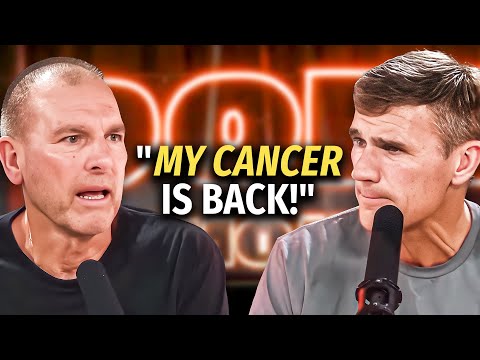
- issue you know about six months ago and um and and perhaps a message to to men related to my prostate and um and uh
- just urging men to to go and get their blood tests regularly and and check their PSA levels because uh sometimes
- they can get away on you yeah yes so you mentioned this to me just before we came
- into the room here so I don't know if you want to elaborate on it or not but yeah you had your prostate removed yeah
- yeah I did are you good at getting like regular health checks and updates I am actually yeah I've I've um you know how
- some men can be a bit sto about those sort of your generation was the worst yeah well I've I've never been like that
- I've always and and to be fair I I um I one of my doctors was was Dr Lloyd Drake
- um dur during my playing career and um you know he he was a great um supporter of of mine and and made sure uh that
- that um you know I was well well looked after and all all those things were checked
- so you yeah so you caught it there was a problem with the prostate but you caught
- it early yeah yeah early detection is K well early detection um it it had some cancer in it and and dare I say it and
- um um yeah the surgeon is is uh he's he's confident that that um it's been caught early enough but who knows I mean
- Dom um it's it's a lottery uh really I I think and and I was just talking um my mate Brad Johnson um texted me just
- yesterday about um John mclin's passing um it's a lottery as I say to him might if your numbers up your numbers up and
- that that's essentially it um so you have to be philosophical about it and I am well I mean no one gets that alive do
- they no one gets out of life no yeah oh you mentioned um texting before yeah you're very active on your phone like I
- just I it this up through through text how do you cope with technology and everything have you found it hard to
- keep up with everything or you do okay or you rely on the grand kidss I I do okay and and I I like to try things but
- you have to rely on my my kids and my my grandkids to some degree uh but but I enjoy you know I'm I'm on Facebook uh
- pretty regularly and and um Instagram and um all all the other um apps that that uh allow people to communicate okay
- yeah but it must be so hard to keep up though because it's just been so much so much change that you've seen over your
- lifetime especially I guess in the last like 20 years or so yeah lot lot lots of
- change and particularly in the technological um space uh you know back in the day um you know we used to get
- our our um we we uh use a Dictaphone machine and and um and then you you'd give the tape uh to to your your
- secretary and then she'd type it out and if there was a mistake and and particularly being in the law you know
- if if you if you got a letter um the process was you read it and and then um uh dictate a a reply and then send it to
- the secretary and and back it it come and you'd have a look at it and if there was a mistake you send it back and so so
- the whole process of dealing with one letter was about you know three days then it had to go go through the the
- mail so back then you you had time to think but nowadays everything is so instantaneous uh that that you know life
- is a thousand miles an hour yeah and people expect to reply straight away yeah they do they do yeah um what are
- you most grateful for at this stage of your life oh I I think I've made it pretty clear that um very grateful for
- for my wife for my family um and and and for rugby I mean Rugby's given me so so
- much um um all these wonderful experiences great great friends and and um uh places uh visited um experiences
- that other people you know going going to Buckingham Palace and um me meeting the queen and and um you know uh open
- heart surgery um in South Africa with um Marius Barnard who was a brother of Christian Barnard
- um the the heart transplant um man and um things like that you know sitting sitting up on on the bench uh with a
- judge in in a partite South Africa and and uh you know here here's a guy with with supposedly colored skin um sitting
- on on the bench with the judge and and the judge asking the council to address the court pleas in in English so so Mr
- Williams can understand he was addressing the court in in Africans so so that poor fellow I
- don't know whether he won his case or not yeah well I yeah I forgot about the visit to
- Buckingham Palace what was what was the um what was your experience with the queen oh just just very polite and and
- Charming um just just to be able to meet her and and Prince Phillip and uh princess an and um yeah no very very
- special and and humbling really you realize that and and you know particularly I think back to um going to
- the movies on a Saturday afternoon when I was you know between 5 and 10 years old and and everyone back in those days
- had to stand up for the playing of of the national anthem which was God Save Our Queen um that that's the way it was
- in the movies and and and um so so you know Queen Elizabeth II has been such a huge uh part of my life and and just
- absolutely uh adored um what what she was able to achieve in in her uh long long Reign yeah there's Traditions like
- that that you you forget about I didn't know about the standing up for the national anthem at the movie theater but
- I yeah I suppose also like travel to these tours like did you have to dress up in suits for the plane ride and
- things um I remember an aviation where people used to dress up and go on planes yeah I I think we did to be honest no
- t-shirts and jeans no but but um you could get on on on the plane and and you know change but then you had to hang
- your hang your number ones up but you had to have your number ones available for when you arrived at the your
- destination so um yeah all those uh th those habits and functions us used to take place if you could relive any one
- day of your life over again what would it be um you got to say your wedding day you're going to get in so much trouble
- if you don't say your wedding day well I I I loved my wedding day and and as I I
- say I love my wife and and um we we still get on great but um if I could relive something
- um there's not too many things really I I I'm I'm pretty satisfied with um you know how my life has gone so far and i'
- I've said to my wife you know often that if it ended tomorrow it'll be great or not not not
- no I don't want wish it to happen no I don't want it to happen tomorrow but but if it did then I'd settle for that yeah
- yeah God it sad it has to end though at some point yeah it is sad um but by the same token um as you ate
- uh you you do start to get tired and and um you know I've got arthritis right through my my body and um so every day
- you you feel it and and so so there'll come a point in time where I I can't um get around and and
- um so so you know as as uh we get older we we hear about some of our our friends
- and and uh colleagues who've been struck down with things and and and their lives
- have have just changed forever dementia hits and um or or you know can't can't move anymore can't can't drive anymore
- and um you know people uh their whole lives are just turned upside down so so for the moment I I'm not in that
- category so I'm I'm eternally grateful for that oh you're you're in great nck you drove drove in here today sharp as a
- tech um your memor is great yeah well well my my long-term memor is great I I I've probably forgotten what I had for
- lunch oh no no I haven't no remember what I had for lunch I'm the same like there's um yeah there's really important
- things that I I forget day to day yet I can remember the number I had like growing up when I was a kid yeah yeah
- it's crazy um how do you view your legacy and um you know what do you people will remember about you
- um I think the thing uh that that I'd like people to remember is loyalty um loyalty um uh to to my uh wife and
- family loyalty uh to my schools uh loyalty obviously to my Rugby Club ponsonby um loyalty to um um Oakland and
- and or loyalty to Manu sore um just someone uh who who people can count on really that's what I'd like to be
- remembered for I don't think that's going to be an issue um that that's the guy I know it's
- quite funny so the you know the um that eight years in the old blacks that sort of like I suppose defined your life in a
- way but then like I'm old as [ __ ] I'm 51 years old and I don't even remember you
- as an all black but um I just yeah I know you as this kind loyal man that's um that's lived this life of service
- well thanks for saying that um you service I guess is a um a quality or or trait of of pacif people um so so yeah I
- I I've always uh felt the need to to you know serve really serve the school serve
- the family serve uh the club um yeah I would think so much for coming on the podcast
- today yeah I really appreciate it no it's it's been a pleasure and when when I get the opportunity uh to to reminisce
- and and reflect on on things I I always uh I enjoy it and and you know you you send sent me out of here with a big buzz
- oh amazing oh likewise may I call you sir Brian oh you can call me sir Brian call me call me what you like do sir
- Brian Williams BG um thank you for being my mate and thanks for coming on the podcast
- actually um do you want to sing us out on the podcast oh what you love me tnder what do you
- what do you got Please Release Me um please release me let me go yeah I should have got you to bring your guitar
- yeah yeah uh or tin guitars what you want what you want oh he's doing requests Dancing Queen oh I
- don't know that one um something by the king maybe the king oh us won't you let me be Ling teddy
- bear put a chain around my neck lead me anywhere or won't you let me be or won't
- you let me be your teddy bear well I don't want to be a tiger tigers play too rough I don't want to be
- a lion lions the kind you love know won't you let me be your teddy bear put a chain around my neck and Lead
- me anywhere oh let you be oh let him be your teddy bear oh let him be your teddy
- bear I want you to be my dirty bear my God I'm going to I'm going to remember this
- moment forever that was awesome that's a smooth voice oh well it's had lots of practice let me tell you it's had lots
- of practice oh that voice isn't going anywhere you still got it thanks mate J
Brief Summary
Sir Brian Williams discusses his rugby career, personal life, and reflections on New Zealand's cultural changes.
Key points
- Brian Williams on Rugby's Impact. Brian reflects on how rugby is ingrained in New Zealand culture and his life.
- Marriage Milestone. Brian shares the joy of celebrating his 51st wedding anniversary.
- First All Black Selection. The emotional moment of being named in the All Black team for South Africa.
- Panic Attack Before the Game. A young player experiences a panic attack upon arrival in South Africa.
- The Impact of Apartheid. Discussing the racial segregation experienced during games in South Africa.
- Keith Murdoch's Departure. A teammate is sent home after an incident, highlighting the pressure of the tour.
Episode highlights
- Brian Williams on Rugby's ImpactBrian reflects on how rugby is ingrained in New Zealand culture and his life.“Rugby is so all-encompassing in the New Zealand psyche.”3:18Feb 25, 2025
- Marriage MilestoneBrian shares the joy of celebrating his 51st wedding anniversary.“It's perhaps my biggest highlight.”8:23Feb 25, 2025
- First All Black SelectionThe emotional moment of being named in the All Black team for South Africa.“I was named... you were expecting to be named? No, I wasn't.”23:45Feb 25, 2025
- Panic Attack Before the GameA young player experiences a panic attack upon arrival in South Africa.“I actually had a panic attack and I didn't want to get off the plane.”26:31Feb 25, 2025
- The Impact of ApartheidDiscussing the racial segregation experienced during games in South Africa.“The black and colored people had to sit at the ends of the ground.”31:32Feb 25, 2025
- Keith Murdoch's DepartureA teammate is sent home after an incident, highlighting the pressure of the tour.“He ended up getting sent home... it’s a very sad story.”42:52Feb 25, 2025
- The Downside of FameFame brought attention, but it also had its downsides.“It was a real downside of fame.”47:42Feb 25, 2025
- Becoming a SirReceiving a knighthood was humbling, but he initially hesitated to accept it.“I can't accept it; I don't deserve that.”55:16Feb 25, 2025