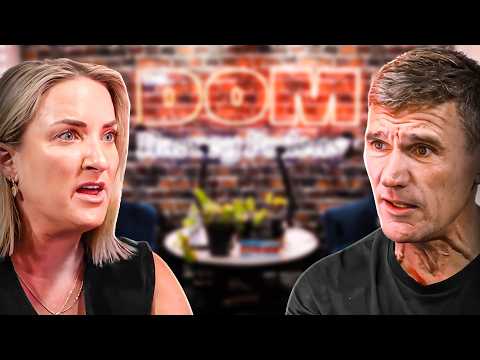
The Voice of NZ Rugby - Tony Johnson on Eden Park, Working with Paul Holmes, Prostate Cancer & More!
Ask about Dom Harvey
Episode Description
Tony Johnson is one of New Zealand’s greatest sports broadcasters of all time.
He has been part of the country’s sports media landscape for decades and, despite being at retirement age, is still at the top of his game.
We cover some of the Tony Johnson story here. On his first long form podcast ever:
Hosting TV3 News with John Hawkesby when the station launched in the 90s.
Working with Paul Holmes on his Newstalk ZB breakfast radio show. And their massive falling out.
His health scare with prostate cancer. And why he has now become an ambassador for men’s health.
Then the commentary stuff: his preparation and perfectionism, the bloopers, his thoughts on Scott Robertson and Leon McDonald and much more.
This episode is packed full of great stories and takeaways from a great New Zealander who has seen it all, done it all. AND is still doing it all.
***
This episode is sponsored by Betcha.
Betcha is New Zealand’s newest sports betting app that is made for kiwis.
My favourite feature of the app is a thing called Bet Social that lets you chat with your mates and pool your money together in a Pot to bet as a group.
Betcha is giving you up to $50 in bonus cash if you sign up today with their deposit match offer!
T&Cs apply.
Download the app and Bet It Out!
R18. Bet Responsibly.
00:00 Media Career Reflections With Tony Johnson 09:11 Rugby Reflections and Personal History 18:17 Resilience and Sporting Memories 29:45 Broadcaster Memories and Morning Alarms 32:49 Radio Evolution and Broadcasting Memories 45:32 TV3 and Radio Drama 56:30 Prostate Cancer, Family, and Resilience 01:02:45 Prostate Cancer Awareness and Advice 01:13:59 Mental Health and Open Conversations 01:17:24 Navigating Social Media Criticism in Sports 01:22:17 Navigating Sports Commentary and Criticism 01:34:06 Broadcasting, Preparation, and Commentary 01:44:58 Encouraging Positive Youth Sports Participation 01:48:35 Sports Interview Reflections 01:58:11 Ted's Emotional Reflections on Rugby 02:05:46 Broadcasting Legacy and Appreciation
Read the full transcriptHide the full transcript
- hey Dom here and thank you so much for checking out this podcast with Tony Johnson Sky Sports commentator and one
- of New Zealand's greatest sports broadcasters of all time just before we get into it I just want to let you know
- this episode is sponsored by becher beer is New Zealand's newest sports Bing app
- that is made for kiwis it's got heaps of cool features including a thing that I really like called B social that lets
- you chat with your mates and pull your money together on a pot to B as a group it's perfect if you've got some friends
- that are well into it do all the research and think they know what they're doing or friends like me that
- have no idea what they're doing and just want to be part of the fun beer is giving you up to $50 in bonus cash if
- you sign up today with their deposit match offer teas and C Supply download the app and bet it out R 18 bet
- responsibly okay enjoy the episode Tony Johnson on the domy podcast Tony Johnson welcome to my podcast
- cheers Dom great to be here but man you're um it feels like I know you like just seeing the the the that mug on TV
- over the last um 30 odd years yeah you don't see so much of it these days since the you know the gray here and the
- wrinkles kicked in but yeah I suppose the the voice is still there uh and I suppose doing what I do that there is a
- bit of a familiarity about it but you know I hope I'm still the same like I was you know when I I started all those
- years ago well you well when um doing like doing some research for this um first of all congratulations just
- recently become an old age pensioner oh yeah got the gold card yeah like two weeks ago H that's right yeah um so I'll
- go over to the supermarkets Tuesday I'll get my 5% off um yeah look it's crept up on me will you start
- getting a pinion now right like a few hundred bucks a week or well I'll start getting back all that some of that tax
- I've paid over the years but and I'll put it to good use it'll it'll be part of the retirement plan yeah well no I I
- I bring that up because um I was alarmed when I found out I I don't know if it's
- the if it's the The Cheeky teeth or The dimple um but you do have this like boyish charm and look to you which has
- never never sort of disappeared uh yeah I suppose that's a bit of a a family trait I think my uh my
- dad's older brother was a real hard case see my dad um was born in havlock where
- I was in the south island and he he and his brother's dad was probably the quiet
- one of the family but his older Uncle he was the one with the twinkle in his eye
- and apparently there's one in each generation and I might be it you got you got the twinkle Jane um also yeah
- another thing which I thought was commendable is um just the it's a fairly Cutthroat industry you're in and the
- longevity that you've exper you know you're still going strong yeah haven't Ted you out yeah
- well I suppose I'm sure there's some people that wish they had but no um I found a niche I suppose you know because
- my background was in radio and I always loved being in radio in fact I never had any great desire to
- go into television uh I worked um you know small radio stations around the country I worked in dened and at a time
- it was a great place to live because the music scene was buzzing down there the sports scene was really good um and then
- I I spent some time in London I had 4 years working in radio uh in a radio job in London mainly as a foreign
- correspondent covering sport all around all around Europe and I always thought you know I'd be quite happy to stay
- because I never really wanted the Limelight that comes with being in television I'd seen a couple of guys
- that I'd known in radio had gone to television and overnight had just become egomaniacs now this is quite a long time
- ago I hastened to add and I thought that's that's not really what I want to do I didn't like the fact that you'd be
- um your face would become known to the public I'm never all that comfortable with that and and so I probably would
- have stayed in radio but then when TV came along I just found it just a bit too compelling so I got got into TV well
- I 30 years ago when I first started I think I was doing a question of sport and I've kind of evolved into this this
- Niche job where um I think what I do there's still very very much a place for people who are season
- experienced and have learned you know the nuances of the job the techniques of the job which can take a long time for
- you to to develop those um so look I'm really lucky um and I'm hoping to keep it going for a few years yet oh good oh
- good for you no it's it's bloody great it's remarkable and um yeah uh we'll unpack the entire career stuff including
- the radio but yeah I TV news presented for a time in the yeah yeah that was TV3 yeah and I'd been
- working part time cuz in those days I was doing sports news for Paul homes on News Talk ZB which was you know never a
- dull moment working with I still think the greatest broadcaster we've ever had in this country and then the offer
- opportunity came to do a little bit of part-time work they offered me an audition at tvnz and I said oh do I
- really want to do this and so I went along with this attitude where I'm not going to
- get all uptight about it because if I don't get this job they were just looking for some new presenters a bit of
- new Talent as they say and so I bowled in there and they got me to read the auto queue and you know I've been
- reading sports news on the radio for years and that was wasn't too hard and they got me an interview Paul McDonald
- the great um kayak at canist and I I already interviewed him about 50 times so that was easy so I was really relaxed
- and then I got to call back the next week and it was uh from John mccre who was the head of sort of programming at
- TVN Z and he said look um Julie that's Julie Christie she she'd love to give you the job but she wants people are
- going to crawl over broken glass to be in television and I'm going well I'm sorry I'm not really that guy I said if
- you if you if you give me the the job I'll do it to the best of my ability but I'm I'm not into stabbing people in the
- back and I'm not into keep people kissing buttons and and crawling over broken glass um but they gave me the job
- anyway it was a question of sport it was a mixed success what was that there was
- a game show right yeah yeah yeah was it was that sort of like um what what can you remind me what it was was it like a
- panel show well yeah it's like they've got a game of two halves which they've just um reconstituted on Sky which is
- was great to see Lura doing that but it was based on the old BBC program and so I was the guy with the Blazer on asking
- the questions and we had Smithy and Jane Kylie as the team captains and you'd asked them all these questions and it
- was a God I thought it would be a nice comfortable way to start in TV but it was an absolute baptism of fire because
- first of all I had no idea about TV production there's all these people running around these cameras and these
- scripts I couldn't understand what they what they meant and you know directors and producers talking to you and your
- and your um you know earpiece and whatever you and the first night we were there things went wrong and I realized
- too how competitive Sports people are you know one of them uh she was a champion New Zealand sportswoman accused
- me of asking the other team's questions faster so that they could get more in in
- the time and and and I'm think wow what is this and I walked out at the end of it and I I had a m over from Australia
- and I got home and I said to him if that's television they can stick it because it was a horrible experience but
- they ironed all those things out I learned my first valuable lesson that the most important person in any
- television gig is the production manager if you got a good production manager pulling everything together around
- behind the scenes then it's okay and they made some changes and I did that and then after that that's when I had
- the opportunity to go to TV3 because Eric Young was leaving to go to Australia and I I took over that role
- and I did that for four years and um yes so all the career stuff you've done just about every sort of um
- aspect of media imaginable but am I right in saying that this is your very first long form podcast
- yeah yeah I I couldn't find anything about you online just yeah okay so I've done a few um rugby related ones as a
- sort of a guest yeah when you're talking about other people and analyzing games but yeah I mean I I listen to them and I
- and I watch them and during co uh we did a I thought it was a great thing at Sky
- because we had no live sport we started getting into these they call them they they called it a pod I'm not sure
- whether it was really a podcast but you could pick anyone that you wanted to and
- do an interview with them and I loved it because I've always been frustrated by the fact that You' do an interview with
- someone and they'd use 15 or 20 seconds of it or you know chop it up and put a couple of bits of it into a news story
- on TV and so I'm sitting down with Susan Devo who's an old mate of mine we you know go way back her and her husband
- John have known them for years and we just sat down and chewed the fat and she talked about all sorts of great things
- and I did one with John Wright who was you know one of my favorite cricketers and and I did another one with HH Bond
- Nick Evans over and I love doing those but I yeah I'm not sort of quite sure how it works I'm how do you get your own
- podcast um so yeah but but it's it's very nice of you to ask me to be on yours D I've seen them and and enjoyed
- them oh thanks TJ so this is the first time that that you've been the guest yeah wow it's an honor yeah I've been a
- like I've been part of a like a three or four-way panel on a couple of rugby ones
- but not to talk about well not just talking about yourself rather than like analyzing
- what the are doing wrong under Raz yeah oh by the way yeah what is what what is The Spill the tea about the Leon
- McDonald thing that happened um my understanding was that I think um there might have been just a it was about who
- filled what role to to me I felt at the time that you know they're taking a risk
- there's a lot of voices here and who was where in the pecking order and maybe what he thought he was going to be doing
- he wasn't quite doing someone else was the good thing was that it it came out pretty quickly I I'm was sort of kind of
- surprised when you the more you hear about it that it even happened in the first place because I think um you know
- he'd been assistant to Razer at the Crusaders and then after a year had um gone back to blenham saying he wanted to
- spend more time with his family then came to Orland to do the Blues so maybe uh there was a a bit of a risk in the
- first place what it has done it's reduced the number of voices uh and it's just going to be
- interesting to see how it evolves over the I think the next few months uh it's going to be really tough I think we've
- seen enough to think that you know if we can rebuild our depth we're still going
- to be a force in the game a lot of people are saying New Zealand Rugby the aura is gone and that you know on the
- slide I don't I don't see it that way I think we still produce lots of great talent we've just got to be really
- careful about keeping in the country and and how we develop it and and we've got
- the right people calling the shots and yeah what about Razer what what what do we know about him all all
- we've seen the last six years when he's um been the the head of the Crusaders which is like a dynasty it's a
- phenomenal record he seems like this chill Surfer guy U maybe out on a a skateboard from time to time um I I
- suppose you know you don't get in that position um unless you've got the ability to make some hard decisions when
- required yeah I mean he he was part of a great machine and that's the thing about
- the Crusaders is that they've always had this amazing environment in which they had success but they also had this
- environment in which young people could Excel and they looked after them every aspect of them and that includes what
- they do off the field as well and I can remember you know Steve Hansen telling me about a a guide that they had down
- there and I won't I won't say who but he'd come down and and uh they were finding out that he'd go to training and
- then he'd go to mackers and he'd lie on the couch all afternoon and then he'd go
- to mackers again and then he'd go to training the next morning and and Steve Hansen said to him he gave him a diary
- and said look you uh find something um meaningful to do with your time or I'll find it for you and that's the sort of
- thing you know that they were all about and so there was always this great setup
- there and he came into it and you know the the players liked he had good buying from everyone but he also had great
- players there and when you've got guys like you know Sam lock um Richie moong um Barrett you know guys like that
- you've got a lot of leadership in the team um it and and I suppose it's you know no real International experience
- but a bit of magic there that people saw and so you know it's a it's a learning experience for him as much as everyone
- else but it's still really early days and and I think we're comparing ourselves at the moment the spring box
- are probably the strongest in my opinion and I've been following this game for a
- long time I don't think the spring box have ever been as strong as they are now in terms of the depth of their strength
- they've got great players in their front line but they've also got a a really big
- number of of terrific players and the fact that we lose two test to them in South Africa for what six and four
- points or whatever it was and probably should have one both of them says you know we're not that far off
- we're there or thereabouts sh you love talking about the stuff don't you well do you do you
- um sometimes is it annoying leaving the house like do you just get uh people coming up to you that want to talk about
- rugby well yeah I remember one night it's going back a few years ago now but my wife had been working for some people
- who were in the wine making business and we had them round for a barbecue and I also invited my great mate wi gray who
- was for years the um rugby writer at the hers happens to be my daughter's Godfather and this guy he was coming
- around he was a wine maker and I could tell straight off that he really wanted to talk about rugby but wi and I were
- like a couple of Velociraptors we were just bombarding him with questions about how do you make wine what's the
- difference between this what's the difference it does happen I I think sometimes you feel like you go somewhere
- and people think that's all you you've got to talk about people want to talk about it and if people want to talk
- about it great but I'll happily talk about other things as well but yeah you get it you can see it at the gym people
- come up and how we going to go on Saturday and stuff that's fine that that that that's part of it you know that's
- just part of the deal you you're not much of a drinker it would be it would be a nightmare though going to a bar or
- something wouldn't it people have got like half a skin full or more yeah look I I these days I'm I'm not um when I was
- young I was terrific at it um and you know used to go um out afterwards but yeah people people can get a bit niggly
- and that sort of just add alcohol M and you know what happens um and I think as the years have gone on I mean I'm lucky
- where I live we've got a great Tavern locally and I go down there and I know people there and it's just it's it's not
- like that at all but my days are going to heaving bars of long gone B and I you know they were fun while they lasted but
- I don't I don't miss it now and you know I find myself you know talking to people
- and and you know it's just about the environment in which you're talking to them and that as I say I'm quite happy
- if he want to talk about it happy to to do so cuz that's you know they love to do it it proves that people are still
- interested yeah sh there's a there's a lot to there's a lot to get through but we'll go right back to the beginning so
- you're from um you're from pikon yeah pikon in the 1950s or 60s I was born in 1959 59 yeah in havlock yeah yeah yeah
- which is even smaller that's halfway between Pon and and Nelson and I when when I came out my dad always said to me
- I had to get rushed off to hospital in blenham because something had gone wrong and and apparently dad said you opened
- your mouth too soon and you've never shut it since and that that was a bit of a you know i' swallowed something or
- what so but yeah my my dad's family um they ran the mail boats out of havlock they took all the the mail and groceries
- and passengers and freight and stuff like that out to all the farms and the sounds mom was a teacher uh and then we
- moved to Pik and dad became the ranger in the the maritime Park when they set it up there and so my early life was on
- boats you know dad always had a boat for his work never owned one um but and it was
- an absolutely fantastic place to grow up but I also grew up in a great Community
- um and I've got mates who when my dad passed away a couple of years ago I stood up to speak and as you know the
- day we all dread when you but I looked up and I saw in the room I just saw all these people that I'd been at school
- with that have been my friends for over 50 years and I feel very blessed to growing up at that time in that in that
- part of the country it's a really special place the mbor sounds and when I used to come back say from
- England um i' i' I'd fly into Oakland I'd fly down to Wellington but I'd always take the ferry back to pikon
- because I always felt when you go through the entrance to Tory Channel it was like going through the front gate I
- wouldn't do it now because you probably end up on the Rock somewhere floating up
- the coast but yeah oh than God that's a hell of a trip isn't it yeah like whenever I get to Orland I see other
- people with connecting flights to one of the regions I'm like oh you poor bastard
- 3our inter Islander right just sit outside in the sun breathing it in you can't beat it yeah oh yeah you mentioned
- you lost your dead earlier and we were talking um just in the kitchen before we came into the podcast room you you've
- just recently seen your mom who's 89 um I think that's that's good going a if you can be at retirement age yourself
- and you've still you're still got a appearent going yeah Dad um passed away from Bale cancer and unfortunately just
- get onto it early enough and typical New Zealand male you know suffer and silence
- which is something you know we could probably talk about a little bit later on when we get onto the subject of you
- know what I've had in the last few years but um you know he wanted to make it to
- 90 I'm sure um there Fair bit of longevity in the in the family um his his his grandfather was actually an
- American uh who'd come to New Zealand he lived to a very old age and and that but
- Mom's there and but again um cuz Mom was a teacher she taught at the the local Catholic school first in pikon when we
- moved there and then she taught at waaa Bay and it it just it's wonderful how people who she used to teach you know
- well they're all there you know she's they'll take her to through to blenham if she needs to go through or someone
- will come in mower Lawns or help her in the garden and that and you know I wouldn't have grown up anywhere else and
- and there are constant reminders of you know just how how good that time was with the way people have looked after my
- mom and you know she's still you know she was big on Sport and she still watches everything she watches the netol
- and she watches the rugby she can't sometimes battles away around all the different channels and the the planner
- and all that sort of thing but you know what time does the netb deer start it's not in the it's not in the tv guid g on
- yeah you know that sort of thing but no no she's she's fantastic um and and like
- a lot of women of her age very resilient that you deal with this terrible loss but you find way you you you keep
- going yeah what other option do you have yeah yeah well exactly yeah so yes so you're growing up in in um havlock yeah
- um and then by all accounts you're pretty good at sport you really love your rugby yeah um I I did all right um
- the the sport that I probably was um best at was cricket and you know I played at school and then I
- played I when I was still at school I started played Premier grade Cricket um with some pretty hard case guys you know
- guys who worked in on the railways or worked on the the docks or whatever and picked in and and so they played the
- game hard but they gave me a chance and I I I cherish those I just just used to love the Saturday afternoons going to BL
- played rugby all the way through school um I went I was talking about it with my
- mates at the weekend cuz I caught up with a couple of them so we went to fij our first 15 in
- 1975 back in those days the thing was um dutyfree shopping in Fiji you could buy
- a watch a lot cheaper than you could in New Zealand or a ghetto blaster sort of thing and me and my mates we bought
- these early model ghetto blasters and then we had nothing left to spend on our food and so we used to you know you get
- in with your roomies cuz they're too expensive to eat in the hotel we stayed in so someone to buy a loaf of bread
- someone to buy tenis sardines and I was rooming with our captain he comes back from the shop in Singa near singer
- Paradise Point Place Called got a chicken and going wellow that's you know what are you going to do with that cuz
- it's dead it's got no feathers on it but it hasn't been cooked and so how you going to cook that
- he goes well we're going to have it for dinner he goes well we got no stove there's no oven there so he stuffed it
- in the electric jug and boiled it for a couple of hours and and I remember when I told my mom we
- got home she just had had kittens and then she thought well it's very resourceful of you but I'd hate to be
- the next person to have a cup of tea out that you imagine the first cup of tea after J yeah yeah um so what happened
- when you're 19 so you're out running one day oh yeah yeah so um i' started having
- a bit of problem and I realized now that I probably had a bit of a stress fracture in my back but i' I'd always
- loved running and I'd you know I'd done rugby and I'd done cricket and Rowing and whatever you and then I played a
- game of Prem reserves and I went out for a run and just everything sort of just felt like something wasn't working right
- and um I walked home and I got transferred away after that and so I didn't play rugby again after
- that and then I started developing issues with the strength in my leg and next thing I'm in denen and my boss is
- going you need you you're starting to develop a a limp and you you need to get that checked out and next thing I'm in
- hospital and they thought I had a very nasty disease of the nervous system and um that was
- frightening uh yeah I was only 19 20 years of of age by the time that that happened and there' had been a slow
- process and so you know I'm still here if I if ID had what they thought I had I would have died you know within a few
- years um so I always felt like I dodged a bullet at that early age it was it was
- scary um but it made me think you know you you only got one shot at this and I vowed
- that if I came through it that I would try and make the most of every day and that I would travel the world and have
- great experiences and you know um it was you know and and it doesn't get any less I mean
- obviously when I was confronted with cancer a few years ago um it doesn't get any less worrying but at least I sort of
- had some idea about what what it was like to be confronted with it yeah yeah cuz I noticed this is the first time
- we've meted and I've read online that you had this thing when you 19 and you walk with a limp um it I I was surprised
- at the limp oh yeah yeah healthwise you're fine but this is just like a hangover from this thing in
- the it's I guess it's slowly gotten worse over the years and because you don't if you don't use your muscles
- properly then it um then it compounds itself and I mean what it's made me it's made me into a a bit of a campaigner
- because you know at the time at this time you know everyone's talking about why we haven't got crowds at you know
- watching the rugby and the cricket or whatever mainly part of the reason that it's just too easy to watch it at home
- on the TV but we don't really provide great facilities for sports fans in this country we've fallen way behind a lot of
- the other developed countries around the world in terms of spectator comfort and
- in particular access and when they put in you know a new stand say at Eden Park they put in the new northand no
- handrails so anyone who's got a an accessit ability problem has difficulty with a flight of stairs they're not
- going to go because they're not going to be able to make it up to the you know to
- their seat and so it's made me a bit of a you know campaigner on on in that regard you know we've gotten better but
- we could still do it a hell of a lot better and it did you know again that's why I'm actually a bit of a I like the
- idea of a new stadium in or but if you're going to do it do it properly yeah it's got to be on the
- waterfront hey well I think I think it' be great you know look I've got it's awkward because I've been fortunate
- enough to be at Eden Park on some of the great days you know and and I was there
- when you know the calling it on radio when orland's great ramfield Shield um era came to an end um you know I did the
- World Cup semi-final there in 2011 and I was there for the for the final and I've
- seen so New Zealand winning cricket matches there and I something about it it's magical and I love it but is it
- really what we you know it's it's in a um residential area it's hard to get in out there's so many conditions about its
- use that you know maybe it would be really good for the city good for the to to do something bold and new with a roof
- a retractable roof so that no one got wet easy to get to you know right in the The Heart of the City and and hopefully
- just help to to make the heart of Oakland great again make make Oakland great again that's let's get some red
- hat let's make a red cap yeah God you go to Eden Park and it's as soon as the the game whatever you're
- watching finishes there's like security guards with red badge jackets AR trying to ush you out of there it's like
- there's a fire drill or something yeah and I got a bit of a problem with that Dom and of course back in the day the
- Radio Days in particular that's when I started working with John Drake and and you know we' we'd finish up the game and
- he'd go R come on Tonto he always us to call me Tonto and we'd go out to the car
- park and there'd be a boot party somewhere and you'd go there and you you know you'd have a few it was really
- social really convivial but then over the years the you know the residents started resisting this more and more
- took a lot of the the fun out of it you had to clear out um and I always it always sort of irks me that people who
- choose to buy a house near the biggest sports arena in New Zealand should somehow
- automatically have the right to dictate the terms of its use I that doesn't I can't figure that out oh you're 100%
- right it's like anyone that but that buys a house next to Western Springs then [ __ ] about the speedway
- Speedway's been there since like 1950 tell me about I used to cover it when I first came here to ockland and I was
- working at what was then 1zb and that was one of my jobs I used to go out to the speedway and they had
- 50,000 people there it was amazing watching you know sleepy trip and um Ted Tracy and and Barry
- Butterworth and those guys it was an awesome Scene It was one of the best wasn't a secret but it was like a lot of
- people just didn't realize how big that was but yeah that same thing same thing happened there um and you know it and
- you know at the weekend down in Blam at lands down Park which is my old stamping
- ground played a lot of games there seen a lot of games there and there wasn't a traffic cone in sight the 12 and under
- got in for free they all ran out onto the field at the end of the game some of the security guys were going hang on a
- moment the what the hell so the kids were out there you know sort of patting their favorite player on the back
- getting an autograph um and then you come out there's people parked up on the grass
- verges and what have you no one's Towing them away it was it was sort of a welcoming bit of a throwback really but
- it was just and I say not not a traffic cone in sight whereas when North Harbor decided to
- take the battle of the bridge against Orland last year to Ona great idea probably save a bit of money not having
- it at a big Stadium the traffic plan that they had to adhere to meant that any money that they bought in from the
- gate went on that it was ridiculous oh it is it's Madness um oh so yeah we got onto this little tangent
- by you initially talking about uh your yeah your limp accessibility um yeah so when when that happened you had to sort
- of like give up playing sport um no not not straight away I I you know rugby was
- going to be difficult because it was just I found it hard to run any the distances that I needed to to get fit
- but no I kept playing I kept playing Cricket uh even when I was you know in my mid 20s down in Den Eden uh I still
- played bit of uh you know Cricket at the week when sport allowed it um I played golf for a long long time I I went
- swimming and that gradually as the years have gone by you know I've had to sort of give them up one by one but it's just
- been part of my journey really I don't I don't have any there's no point in being
- better and twisted about it um but I still go to the gym and I sit on the bike for an hour and I you know I like
- going for you know going for walks and stuff so you know it's just it's just part of who I am just adapt and live
- with it yeah exactly and you do you evolve you know yeah by the way I've noticed you've um I think it's twice so
- far in the last um half an you've mentioned the ren Philly Shield I've heard that you've got I don't know some
- might say it's awesome I think it's a Philly lame paty track you you can name the mber from 1973 yeah yeah Kenya oh
- that was just a a bit of a joke that started out you want me too okay Thompson Ford Davey marel hodgers Godard
- ma southernland DWI Neil Cox southernland Huntley Forest Joseph yeah easy that's 51 years ago yeah I know but
- it was you're right it just became a thing and Paul Holmes challenged me to do it once on the race radio and I did
- and then hawksby challenged me John hawksby um who you know is another guy I was so privileged to work with that guy
- most professional you know TV3 was always a struggle every single day there would be
- two or three of you trying to Cobble together the sports news and state television to have 11 or 12 or whatever
- you know you'd you no matter how hard it been you'd walk into that studio with John hawksby and you'd feel bulletproof
- but he did he challenged me on television one night to do it and it yeah easy but um I'm glad I can still do
- it it proves there something still working yeah the memory is great it's outstanding well yeah it's a bit like
- remembering the shoe size really yeah are you um are you kind of like me and they like I can remember the the
- telephone the landline number we had growing up but I can't remember God I can't I can't remember really important
- things from the last couple car keys yeah oh that's a joke in our house like I can't find my wallet my wife just
- rolls her eyes and go here we go again yeah no I think that's just something as you get older yeah but
- um yeah I mean the memories I have of growing up you know they're such good ones you want to you want to keep them
- yeah for sure for sure yeah I forgot you worked with Haws be I think there like um funnily enough they've all got H
- names uh like probably the four biggest new broadcasters ever right homes HBY hosang and Henry I'd say yeah yeah um
- maybe had a dupy alen in there as well she's not bad either yeah I mean there' been there've been others as well I
- Sharon Crosby you know was bit of a a Pioneer but um yeah and and they're all I've only worked a little bit with Mike
- hosking um but certainly homes and hawksby and Paul you know working on his breakfast show I mean I hate I mean you
- know what this is like mate when the alarm what time did your alarm go off 4:00 although in the last um the last 5
- years it was getting like 5 minutes later every year yeah yeah i i s have got it down to like you 5 to five in the
- last year yeah awful hours yeah and I was of the opinion especially working both ends of the day that it was only
- going to be a certain amount of time that I would allow myself to do that because I I think it it wears you out
- and so but I would get up at um I think the alarm would go off at just before 5:00 and I'd be in there but once you
- got in there it was exhilarating I Paul you know we went he had obviously some ups and downs and you kind of lived
- every minute of it with them but he is the most brilliant broadcas I've ever worked with because he's so
- quick but also Paul had empathy mhm he would talk with people he didn't lecture them he could solve problems but he was
- also really really funny and some of those things he used to do this thing called world city it was outrageous what
- he wouldd get away with and he did up until the kofan thing and that was one of those days you're thinking well
- what's going on here um but uh yeah it was great we used to have this thing at 620 and it started off I was supposed to
- be introducing a sports item and he didn't like that very much CU it was often a pre-recorded thing or something
- so let's just talk about Sport and it evolved to the point where some mornings we' talk about anything but Sport and it
- was quite often it was quite irreverent sometimes it was quite funny and and it you know I was hearing that people were
- it was a it became a listening point with people that people would you know make a point of listening to it before
- they got out of bed in the morning and and that that was that was a lot of fun um but in in the end um I met my wife
- Sarah in uh 2001 and I I'll admit that by the end of a week of earlies I could get a bit
- grumpy and I thought I just found this woman that I really really wanted to spend the rest of my life with and I
- thought um I don't want her knowing you know Friday after a week of early's Tony
- and so I I I I gave it away after that and just concentrated on the sky job yeah I found that as well F Friday
- afternoons I was no good to anybody I was like a zombie and you know I think the worst thing about it
- too was that you'd think oh Saturday i' got to sleep in but you'd what you'd be awake at 7:00 or half 6 in the morning
- because you've slept for an hour a half more than you normally do you know I yeah I I don't think the human body
- really is built to be woken up by alarm clocks yeah at that that hour of the morning well that's what um that is one
- thing that I have mad respect with Mike hosking for like his dedication to the craft yeah um I don't know what time is
- out of bed maybe 2:00 and you know it'd be very easy to get to the point where you're no longer driven by the money um
- that you're interest in the job wains but his professionalism is second to none yeah I'm sure the money's good um
- it certainly was you know with Paul and those guys but I I don't begrudge them that they they deserve it but no you
- you've got to be special and I think you have to you have to manage your time you
- have to make sure you have some turnoff time but what the thing that used to get
- me about Paul and I haven't worked with Mike in in that sort I've done stuff on his show I used to um do stuff on his
- show but Paul would come in and he would just sit down at his terminal and just just crank out this these little
- monologues that he would do um and this world city as I say that was that was my favorite B and I just
- thought how do you do this but you're dealing with a brilliant mind yeah so this was 90 92 that you started at zba
- as sports editor I my right no no well hang on what so I was in dun Eden uh early 80s and then I went off did a big
- OE came back um I couldn't get a job back in sports worked up in fer a for a summer that was brilliant working on a
- little radio station in the Bay of islands mate that was uh was that a KC or uh no what no kwc started while I was
- there now it was called Bay radio and the funny our trainee announcer was a 19-year-old by the name of Neil wer and
- so he and I worked on this radio station up in the Bay of islands and then I I came back to Oakland um and yeah uh and
- then I went off and worked in London which was a you know I I was getting a little bit frustrated that doors weren't
- opening I wanted to be more of a commentator and the commentary jobs were all kind of taken up and uh and so I
- thought someone had the idea of setting up in London and Radio New Zealand as it
- was at the time said you know you do it we'll pay you they um and and so my my girlfriend at the time and I we went off
- over there she found work and radio and I I had four years over there and I did some amazing experience you know
- covering sport in places like Poland and Bulgaria going to the world canoeing Champs or the all whites I went to
- Israel and they did a game there which was just one of the most amazing experiences I've ever had and four years
- of that and I knew that it wasn't going to last because Radio New Zealand was overspending and I was probably one of
- the reasons why so I came back after that that's when I came back to to News Talk ZB so
- so um 1zb was like a music station yeah um then they pivoted became a talk station which is what what it is today
- yeah that happened in the ' 80s yeah so and home homes got to number one within a within a couple of years I think they
- went sort of worst to first so you went there just as things had got good no i' i' no i' I'd been there I'd come down
- here in in ' 85 and MB Smith was still doing the breakfast show with his usual mix a bit of everything but that and
- that's what I loved about there was such a turbulent time in radio and being a a
- radio nut it was fascinating haki was getting really big um Blacky yeah and then of course you had the FM thing came
- in and and staler and and Kennedy top marks on 89 toks yeah and and they they just tipped the whole thing on its head
- so um yeah and and so zby made the mve left because he wasn't happy with the music that he was having to play I think
- that was a big part of it and so he went off to to radioi and they decided they took the
- plunge and they went to this news talk ZB format and people hated it homes came just charging into the
- place like a a a tornado um but it just for a long time it didn't work he couldn't get a um a producer
- that they they could get on the same it wasn't until Phil Armstrong came along that after about six producers they they
- found the right mix but people the whole idea of not all talk no music after it's
- a bit like say people have been eating wheat picks for 25 years and suddenly being told no no you have to eat Birch
- am musley but I don't like Birch and musley well that's what you would you know it was such a change in in you know
- people's lives what they and so they all deserved and we got down to seven I think it was
- Blackie they printed these t-shirts that said seven ZB because it had always been
- one ZB cuz that's where we went to in the ratings and and you know the the natives
- got restless you know we we didn't like being part of a a radio station that was
- getting its butt kicked no of course but you know Brent Haron to his credit he was the manager at the time he had a
- vision and he had to put up with a lot because you know in those days people were able to express themselves in the
- workplace probably a lot more uh clearly and and yeah there's no no people in culture Department back
- there yeah yeah and and he wore quite a lot but you know they stuck to their guns and in the end obviously it it
- became the the biggest thing I suppose the most powerful entity that we've ever had um
- in in commercial radio in New Zealand and so you look back and you think well it was amazing to be part of it but did
- I buy into it always thought Paul was amazing but the idea I'll have to admit there were
- times I doubted that they' done the right thing what was he like to work with you
- must did you have some um outstanding arguments he was an interesting bunch of guys yeah um I the thing love love about
- homes is um love to drink love to smoke um seem to I work out playh hard I suppose that's the well yeah but when
- when I first met him uh and first started working with him yes to the dues um and he could you know he'd find a way
- to get out and have one while the ads were on or whatever but no the drink he he he he'd been off the drink for a long
- time and I think we all admired that about him um because not easy particularly the
- stress that he was under cuz he was basically wearing the whole thing he was this guy that had turned everyone's
- favorite radio station into something else and so he he copped a lot um and he managed to yeah it wasn't until there
- was a change in his personal circumstances I think that that yeah he he started to to drink again which was
- it was a challenging time but you know I will consider it one of probably I I've
- worked with some great broadcasters and Pete Montgomery is still one of my he's one of my closest friends and he's been
- a mentor and Bill Francis who was my boss and I've worked with in niso you know great broadcasters like that but
- you know Paul Holmes absolutely the most outstanding broadcaster I've ever worked
- with and I just an absolute privilege to have been part of it for the time that I
- was before I realized I thought you know I can't be doing this anymore this getting up at 5:00 in the morning
- did did he ever did you ever get one of his trademark telling offs oh yeah for sure yeah in fact look I I I'll be up
- front with you Dom I he he got he was in a ratty mood one day and I fired something back at him and he said
- something and I walked out and I thought I'll bugger this and I went home and I said to Barry Holland who was kind of in
- charge of the the section that I was working for and then another great broadcast I said mate I'm going home
- I'll be back probably on Friday and this was Wednesday and I went home and I just
- had a bit of a think about it for a couple of days and then I thought you know come on grow up it yeah he he it it
- that was at a time where where I think there was a lot of uphe going on in his life and sometimes you you you probably
- bore the brunt of it um but you know you get you'd get back and he'd sort of come
- over and were we all right yeah you were all right Paul and you just get on with
- it yeah and and you look back now um I don't know if this is the upheaval you're talking about but uh you know he
- was having an extramarital affair and it became like the biggest story there were
- like Paparazzi camp trees outside house yeah you you look back I mean it was quarter of a century ago but you know
- like who gives a [ __ ] about what's happening in his private life well they did then because because he was so big
- and it was and of course anymore having come from she had a public profile herself and everyone thought it was you
- know it was a lovely marriage and and what have you and so it was a shock right right throughout the industry um
- when that happened but yeah um it was it made it challenging for everyone and look you know I got to say when he when
- he wrote his book he acknowledged the fact that people he didn't necessarily mentioned
- all the the names but he just acknowledged his workmates who had sort of kind of been there with him
- throughout this this turbulent period and um you know I was able to even after I left they they had a slot for me on
- Monday mornings and you know I remained you you on good terms with him right till the end and it
- was you know it was very sad when he went um but boy what a yeah it was a journey what a life what a life and and
- and the fact that you did that um high high pressure high stress high octane breakfast show for so many years as well
- as the 7 p.m. yeah evening show um are you kidding me like it's yeah it's insane well I was living in London when
- that started and I can remember I used to do a spot for him sometimes during the week if some you know if was at
- Wimbledon he used to love coming to Wimbledon talking about that or if some my girlfriend at the time Leanne she was
- a a journalist and she did stuff for him but if she couldn't I'd I'd fill in and
- do it and I remember talking to him just after the Dennis Connor thing he goes yes got myself into a bit of trouble
- here my boy yeah you know and and you know because obviously that had blown up but boy that was just his that was just
- signaling his arrival yeah I mean yeah you look back and it's it's iconic but um I'm sure it wasn't pleasant being
- Paul Holmes at the time with the backlash but they do you yeah do you think from your perspective as a
- broadcaster that was kind of strategic yeah absolutely oh totally totally I think the whole thing was um you know
- let's make a splash let's needle them let's see if we can get them to blow up cuz I you know I'll tell you a little
- story again I'm going off on a tangent here but 1995 the America's Cup and I was at TV3 tvnz are all over the whole
- thing and I get sent over to San Diego to do the last uh day of the America's Cup and
- we're going to do the sports news from over there and part of the you know deal is we got to try and get an interview
- with Dennis Connor and tvnz put the shutters up because we weren't ACC credited they wouldn't let us into the
- press conference we'd got to you know we managed to get Peter Blake and and Russell Coots and what have you and we'd
- done a few interviews with someone from Murphy Brown and whatever it's had a nice little package we needed to get
- Dennis Connor and they said no you can't go into the press conference um cuz tvnz
- wouldn't let us in there so I had to wait out the back door door and um with a TV Camera sorry TV
- crew I be pardon and hopefully they told us Connor someone said Connor will go out the back door and you'll get a
- chance to grab him there and sure enough he stood up at the press conference he said all these lovely things about Team
- New Zealand and everyone thought oh he's a nice guy after all then he comes out the back door and he just busts through
- this door and I said I said oh excuse me Dennis and he gave me a couple of minutes which is all I need did for this
- this bulletin turned around to walk off and walked straight into a cameraman from AP television who got right in his
- face and so Dennis grabs the camera and these two had history apparently starts a wrestling match with this guy and
- we're filming it all for our news so by being not allowed into the press conference we got this amazing footage
- of Dennis Connor having a fight with a cameraman it was gold wow that is exceptional is it on
- YouTube somewhere but well I don't know whether it is but the thing is um and and that was the whole thing about um
- working at TV3 you know TV and Z owned everything in those days they owned the cricket they owned the rugby we weren't
- allowed into this we weren't allowed into that so you had and and Mark Jennings who was the boss there and and
- guys like Mike brocky they were incredible those guys they'd be there at 8:00 in the morning till 8:00 at night
- and you always tried and Tony cyprian who was my boss in sports you always had to to to work outside the box to to get
- the angle to get the and and you often came up with a better story as a consequence sorry Dom I've taken that
- whole thing off no no no no no no I I love this I don't know about the audience but I I love it I'm from a
- private radio background in paliston north and yeah like that won't mean much to a lot of people but there was like
- private radio or public radio private radio you had to have like a roll your sleeves up almost Street Fighter
- mentality in a way yeah and and everyone to the m d everyone knew oh there was yeah there was a definite um it was a
- bit of a superiority complex that went on and it and it was it was the sort of the rebellious guys and you know you
- think mentioned Blacky or um um Barry jenin I suppose but but again you know staler and and um Ken Kennedy God yeah
- they yeah but they were they were they were yeah yeah so this was this breakfast show on 89 FM called the top
- marks um and they got to number one like in a very very short period of time by doing some amazingly Innovative stuff
- but then capitulated like within a year oh yeah but we all knew that it would um
- you know we we were having bets we thought 6 months because you had two guys I mean that you know stal was a
- very clever guy um and um Kennedy you know you know quite been around quite a while and together it was it was a
- volatile combustible mix but for a while it was brilliant and as a and they were
- so um they just got in the face of all the other radio stations with Mickey taking and um sabotaging um people's
- outside broadcasts and things like that they stopped at absolutely nothing and we all knew that it would blow up in the
- end but it was yeah but it blew up so quickly though like but they were on crazy money at the time hundreds of
- thousands of dollars and this is in like the late ' 80s yeah yeah I I believe there was a copious amounts of cocaine
- involved as well but this might just be a rumor there I I've heard those rumors too but who knows yeah who knows um yeah
- the former boss Ross Goodwin he he was uh a consultant of mine when I was in radio in pal North and I used to love
- picking his brains with these old War Stories stuff what about hawks yes so so you he was the news anchor on 3 and you
- were the sports guy Were You There When that whole thing blew up and yeah it was
- and I tried so hard to persuade him not to go remind us what happened there okay
- so I think you know the format of TV3 I thought our news was good and we just used to be so frustrating that I think
- and it was probably the 55 plus demographics their TV sets were just welded to TV 1 and we had the younger
- market and I think we always felt that if we just keep working away that those younger people as they get older they'll
- they'll stay with TV3 and the audience will grow but they just decided they wanted to to um try and take take a
- chunk out of tvnz's dominance and so they decided to do a dual presentation because that's what tvnz were doing and
- John didn't want that at all they got Carol hfield came over from uh tvnz I'm not even sure how much she
- really wanted to do it but they just made her this great offer and you tell straight away that oh this you know this
- didn't look good got an you know I don't even think he was in on it John he resisted it and then in the end you know
- this is a guy who used to he was the life and soul of the place uh he was the big fish in a small pond he loved that
- but but we we loved him and and he was great to me I had a massive relationship breakup which really affected me and no
- one was was more uh IID say shoulder to cry but every now he'd sort of say come out we'll go out for dinner and have a
- chat sort of thing he was just such a great guy but you you realize that there was an ego there too and suddenly
- instead of walking around the office bellowing Bob Dylan songs he's on I didn't even know he had a mobile phone
- suddenly he's on the mobile phone to the lawyer and and you know in the end um he
- he just he walked and then of course he ended up at tvnz and that did not go down well and it was bit of a sad end to
- what was you know a great career um but I I'll just be always be grateful again for the fact that I was able to work
- with them because as I say it was never easy putting the sports news together with the limited resources that we had
- at TV3 um but you walked in there with hawksby and and it was just such a great buzz in that studio it was it was really
- fantastic yeah oh thanks for those kind words um yeah I know um Duncan listens to the podcast from time to time as does
- Kate yeah um they message me so um I'm sure they'll be they'll be stoked to hear that well yeah yeah and and um I
- I've sort of been in fact when Sarah and I got married um he said had always said to me if if
- if it happens cuz i' had one sort of shortlived and very unsuccessful attempt at it but he said if if when you get
- yourself back on your feet and you'll find the right person give me a ring cuz he was a mar
- marriage celebrant and so he was the marriage celebrant when we got married oh how good yeah yeah that was that was
- so cool so so was it at um oh so you left TV3 went to TV1 is that is that where there was like some public outcry
- in backlash a $6 million redundancy yeah yeah and um Neil Roberts I think had offered off him I think it was Neil
- Roberts had offered him they offered him a huge amount of money to go there and the staff didn't take too kindly to
- it people in The Newsroom didn't take too kindly to it because it meant Richard long was pushed aside and they
- went back to that combination of um John and Judy Bailey that had been I think they'd done a a regional show together
- and I look I don't really know very much about what went on there Dawn but I all
- I know is that it wasn't happy at time and I could see by the con's face as he was reading it that this is not the same
- guy um and you know eventually of course he went out to W hickey Island and I was
- you know whenever I see him I was say how about you write a column about a wine that people can actually afford but
- you know he found that's a happy place for me you know with his wine and what have you yeah he's fantastic broadcast
- to yeah just brilliant one of the best wow [ __ ] you've been around all of it haven't you yeah yeah we haven't even
- got to the rugby stuff yet we will we will get to the rugby stuff but um yeah maybe maybe we spend a bit of time
- now just poking around on the cancer stuff yeah sure yeah yeah is it it's five years now is it okay to talk about
- this yeah it is um it's important to talk about I it is and it's I guess one of the reasons why you know I'm an
- ambassador for the prostate cancer found Foundation um part of me wanted to say look just keep it to yourself but then I
- thought you know if you can perhaps get the message out there and helps one person you you know so what happened
- with was in 19 sorry 2019 yeah 2019 I was diagnosed I'd had a red flag the year before I always used
- to get a a blood test every year my GP had sort of said you know once I got to 50 you need to get a blood test every
- year and amongst the things you know they look for your cholesterol your blood count your liver function there's
- a thing called PSA and that's related to the prostate if it starts to go up uh it could be an
- infection it could be inflammation but it's also good an early indicator of prostate cancer so I got a bit of a red
- flag in 2018 they did an MRI looked okay they said we'll have another look at it
- in a few months time they did went up again that's when they did the biopsy and that's when I got hit with the news
- that I had prostate cancer um and I I had surgery on April the 2nd 2019 and it's come out five and a half years ago
- so how how do you get the news okay so um I went to a urologist Michael Macky who is quite well known it's it's
- amazing when you get diagnosed with prostate cancer even if I was keeping it fairly quiet you find out the number of
- people that you know that have had of course Paul had it Leon Smith had had it Andrew Dickens um had had it um in fact
- it's his brother that got me onto the the foundation so many people um and and yeah it's it's it's was a shock for sure
- I was at lunch with a mate Blair lasson former North Harbor all black he a good mate and I was already reeling from one
- shock because lamby had offered to pay for lunch and then the phone goes while he's
- off getting a coffees or something and and Michael and he said all we we've got the results back from your biopsy we've
- we've we've found some some cancer there and I don't you know it's a blur the rest of us hard to remember the
- conversation but he did make it quite clear that this was not something that that they could sit back and keep an eye
- on which is sometimes the case with prostate cancer nor was it something that they would deal with through
- radiation that this had to come out and it as well they did because by the time they'd got it out you had I had to wait
- six weeks because for the things to settle down after the biopsy by the time they got it out it was starting to get
- pretty gnarly and he said look if we'd left this thing under detected for another year it would have been a
- completely different story and so I I I said well I feel lucky and he said well you make your own luck and and that's
- the message there really the Insidious thing about prostate cancer is that while it is one
- of the more treatable forms of cancer if you get it early um it's also one that's a silent thing and and often
- if you wait until symptoms start to present say as having to get up five or six times at night to go to the L or unable
- to pass you know to to have a p something like that or the case of made bit of back pain or whatever if it gets
- to that point then often it's just a sign that it it's you know it's really starting to get invasive and and so this
- is this is the message um that I got it because I had a an annual blood test and
- I was able to get on to it smartly and look you know five and a half years down the track everything's pointing in the
- right direction I I I wouldn't tempt fate I wouldn't put the you know the old curse of the commentator I wouldn't say
- I'm I'm over completely yeah you know I wouldn't necessarily put it that way but thanks
- to that early intervention uh here I am but yeah it was it was a boy it was a it
- was a difficult time in my life Dom yeah man I can't imagine so so you get off the phone do you tell do you tell BL
- yeah yeah he comes back and he goes you're all right mate I said yeah oh no not really he said I've got I've got
- prostate cancer and he course you know mate you want me to drive you home now I'm all
- right and I get home and and it's it's funny it it took a while for it really to to to sink in I had to wait as I say
- I had to wait six weeks and I spent that six weeks so we were going to go friends
- of ours were having a a significant birthday and we had been saving for two years to
- go and meet up with them in France somewhere and um it was you know we had two years to plan this thing and so I'd
- been putting down deposits on hotels and the the Harry Potter thing in London and
- the sinee chapel and whatever you you're a huge Harry Potter fan aren't you I I'd
- spent the well not me my daughter yeah I was more Lord of the Rings but so I had
- to spend the next 6 months going around getting back um all these deposits which fortunately nearly
- everyone did with the exception of our national airline who would only give me back half of it and there'd been a [ __ ]
- up over the insurance or something so I took a bit of a hit there and then building up to having surgery um you
- know was a pretty dark time because you know you wake up in the middle of the night and you start thinking I was more
- worried I honestly was more worried about how it was going to impact on my family I couldn't bear the thought of my
- daughter growing up without a dad you know that sort of thing you know yeah yeah cuz you you're a dad of one y um
- and you I I suppose you'd call you your an older father yeah definitely so so your daughter so you were say 60 at the
- time she was 12 yeah it took me um you know I didn't meet Sarah until what what was I I was in my 40s and you know
- because I sort of was off the idea of marriage a bit once SP yeah but once I met her you know
- and and so you know we had Lily and it turned out that um you know we had Lily and and and that
- was it for us um but you know what it it's been fatherhood's been the best thing that's ever happened to me mate I
- promise you I can't you know you feel so fulfilled and um it made my life you know more than any experience that I've
- ever had you know the Olympics or World Cups or anything like that um so but but
- and also I think sometimes as an older father the advantages is that you've made all the mistakes that's possible to
- make in life I know there's always more but yeah you get all the main ones out of the way you learn a lot and more
- comfortable in your own skin yeah and and um so it's you know we have we have a great Rel family Dynamic going on and
- I'm to say it's another thing I'm really grateful for well you you mentioned earlier like losing your own Dad
- recently so yeah you lost him as a as a grown ass man in your 60s like I can't imagine like you know the thought of
- potentially losing your dad when you're 12 yeah yeah and but and it and it happens um and you know it was tough for
- me cuz my dad had you know I had such great admiration for him the guy who who was a very honest sort of a person very
- mild sort of a guy I I mean there was volatility in the family and I think I probably inherited some of that but not
- from my dad um and you know a non-drinker uh and a guy who' had to work had never had the opportunity to
- play sport um because he was had to work from a young age yeah um and and I miss
- him you know every day and so yeah I it it would be awful but so so again this is why it's just important to get that
- that that message out there um say getting back to the prostate cancer thing affects one in eight men in New
- Zealand and that's a lot it's the most common form of of cancer amongst men and and it does take the life of of a lot of
- men in New Zealand every year but early detection gives you a really good chance
- of of getting on top of it um and and the best way to do it because because you know New Zealand men are like you
- hear guys saying I haven't been to the doctor for 10 years like a badge of honor like a badge of honor yeah
- uh it's not smart and and so I think they don't want to go because they're scared of what they might find out but I
- take it from me it's a lot scarier when you find out there is something wrong with you and
- and if you can avoid that give yourself the piece of mind that's what we're trying to encourage people to do yeah
- it's a simple thing you don't the oldfashioned way I think used to put a lot of guys off oh the finger with up
- The Bu that just doesn't happen yeah they they can do a blood test now or they can
- do the the the digit test but the even the digit test like first of like it's it's embarrassing for you as a patient
- it's embarrassing for the doctor no one yeah but it's in and out it's not very I
- suppose if if the doctor that's part of his job but you know and and if Pete montgom of course Pete had prostate
- cancer as well oh right and and he wrote about it in his book and because Pete came up with this novel approach to and
- that was to pretend that he didn't have it and he he took him a while before they they tracked him down and got him
- in there to have the have the but he you know Pete's done great but as he said you know with the digit you don't know
- what's going on on the dark side of the moon it's only it only covers half it so
- yeah that's probably a bit more detail than people want but what I'm saying is is that you know men who are you know a
- little bit um uncomfortable with that idea well it doesn't you don't have to do that you
- just as I say go and get a blood and and and it could you know cholesterol and all those other things it's
- you take your car in for a warrant of Fitness every year what's wrong with taking your own body in you know just
- take yourself in go to the doctor get your blood pressure checked and get a blood test and that and and when you
- know you come out of it and you think well that's great that's me for another year yeah was since I turned 50 last
- year and I I made a a pack to myself which I've stuck to again it's only been two birthdays um but every year on the
- week of my birthday I'll go to the doctor and get a full medical and the um the uh the feeling you have when it
- comes back as everything's yeah it's um it's liberating well I cuz I had years of that and I never even gave them a
- second thought and so when you get that phone call to say uh there's something up you think oh God and then I still
- have to go I have to have a blood test I have one every um every 3 months just to
- make sure that everything's still going right and I still go through uh 24 hours of some anxiety
- catastrophizing well yeah there's an interesting thing that um because Wayne Smith had it around the same time as me
- as well and and you know Smithy and I go way back when I was work I worked for a
- few months and toodo as a Cadet and they sent me down to cover a rugby match um and that was the first time I'd ever
- covered a rugby match that's when I first realized this is what I want to do Smith he was playing in that game he was
- a 19-year-old from B he was a year older than me and he went through the same thing and one of the things he said was
- you know he'd got some advice from his um doctor and said when you you know don't think ahead think think back
- reflect on all the the the the good things positive things rather than worrying about what's what what what
- lies ahead it was a really good bit of advice I like that yeah yeah that's really cool okay so um so that day you
- find does does the urologist on the phone does he does he say we've got it early everything should be okay or does
- he um well they they've got to be careful um about obviously what they but his view was look this is we really we
- have got this early um your my PSA level wasn't High it had just risen you know from not being very much like that um so
- there was always going to be a question you know of some of it sort of leaking out and
- and and what have you and and that but right from the the the surgery went well and he said no unexpected surprises and
- then when you know hystology came back and they looked at it and he said you know we're lucky because or not so lucky
- he said if if you know it's good that we got it this early because it was just starting to erupt and then when the
- blood test came back and you know that was that was all good news so they have to be careful but the message they kept
- giving me all the way through cuz they could tell how anxious I was was look we're ahead of the game here you know
- you you you you're dealing with this you've got this very early and and just say can't stress that enough that's
- that's the you know that's that's the the message well thanks for sharing it's really really important stuff so yeah so
- you you go home you tell Sarah in in person or do you yeah yeah yeah and and how's that wasn't easy but you know
- she's a a very practical sort and it's like she doesn't believe in worrying about things that haven't happened yet
- it's great advice easier said than done though way it is especially when it's someone else about
- yourself yeah I mean it was difficult surely it was hard for her it was hard you know telling my daughter that you
- know I'm afraid the the Trip's off um yeah how how do you how do you do that do you your wife sit down I just said to
- he said look you know um dad's got to have to have an operation if I don't have this operation I could
- get really sick um and you know cuz she was still quite young at the time and I and unfortunately it just means we're
- going I better go on this trip and she said oh okay and I could obviously she'd be disappointed but that that kind of
- helped she she took it on her stride pretty well and how' you hold it together when you're having that
- conversation uh yeah it wasn't wasn't easy is it like a case of like just trying to to put on a good show yeah
- absolutely you got to be strong cuz otherwise if they see you're upset with them that's up that's probably more
- upsetting than the actual news so yeah yeah and I had my uh you certainly have your your your your difficult times
- um and again I just came back to that thing that I had earlier on that if I get through this you know I'm going to
- make sure I make the most of every day so even if you're having a bad day it's still a good day like the old saying any
- day above ground yeah yeah yeah so and you know work were good um I didn't tell too many people didn't tell too many
- people at all and then I decided after I'd got to the three-year mark and I thought look enough um things are
- going pretty well and so I was due to do a BL low cup test in Melbourne and I spoke to one of the guys at work he's a
- Content producer guy called Mark Maliki Williams he's brilliant and told him about it and he said yeah let's do
- something so I was in Melbourne and he came and he'd come around home and we we' recorded this piece and talked a
- little bit about my career and what have you but he um we talked about the the the the cancer thing and again very much
- with a view to getting the message out there and I'm sitting there in Melbourne suddenly the phone starts buzzing and
- I'm getting messages from all over the place and one of the nicest ones I got one was from sumo of Scotty Stevenson
- who' not long gone to tvnz and he's got it up on his you know social media profile and stuff and people like that
- going well didn't know um but thanks for doing it and stuff like that and um why
- why why did you not tell many people strategic decision because people don't like talking about cancer and when you
- say you've got it they you sometimes you see people almost blanching and I just thought I just
- wanted to deal with it amongst in my own um group you know my own close group a couple of close friends um family and
- particularly my my wife and daughter um and it didn't sort of say too much about
- it then when I you know people started ring because I had to take a few weeks off afterwards and people ringing up
- saying are you okay mate and you know gradually sort of got it out there but that was just my way of dealing with it
- I I felt that was best for me I wasn't going to write a daily blog about it some people do when they're dealing with
- these sorts of things and if that helps them great or they go on their Facebook page and I know one guy you know
- reviewing all the Alton John albums you know doing this while he's going through
- chemotherapy and um but that wasn't my way of dealing with it but I thought if i' be if I'm fortunate enough to get
- through this then I probably owe it to my you know fellow man it's because this is a man's
- disease um to to to do something that in the hope that you know if you can just help one person get an early detection
- to beat it then then that you've done it yeah also you're your peers and i' I'd um I'm I'm 51 but i' I'd consider myself
- in that group um we are notoriously bad at this stuff aren't we yeah we're terrible terrible history terrible I
- think we get I think we are getting better I don't for sure and and we're getting better at talking about things
- yeah and you know people like John Kerwin for example with um me mental health issues I mean I I know um someone
- who's you know quite close to me that I've known all my life had real problems and people like JK can Empower people
- like that and realize that actually you know mental health issues affect a lot of people and so the more open that we
- can be about it the better it's going to be m um but you know I I I don't mind admitting it I I was one of those people
- who always used to sort of shy away from it and it wasn't was just because it's your generation yeah yeah yeah how's
- yeah how's your mental health been um good yeah I I um I've had a few you know times in my life where things you know
- get on get you down a little bit and I had uh I had a terrible uh influenza when Lily was just a baby and I it
- wouldn't leave me alone for months a bit like a long Co thing and I experienced it sort of quite a bad depression then
- uh to the point where I I just felt like I couldn't work for a while but just something I've managed to you know work
- my way through you know I've had the odd bout of that um only I would say four or
- five times in my life but you learn to recognize the symptoms or or the early warning signs and even uh earlier on
- this year I had a weekend off and I just took myself off down to friends have got
- a batch down at y Beach and I just went down there and you know spent a few days
- there reading the book and going for walks and stuff and and that was quite a good thing to do um you know mental
- health it's a big deal you know we we live in stressful times there are all sorts of different things that
- contribute to it the economics work all of those things and and it it is helpful
- to talk about it but in my case it's just a case of you you you recognize when things are starting to get to you a
- bit and you you you take a step back or you you know it helps you kind of cut things off at the past I I you know feel
- for people who deal with it on a more regular basis uh it it must be horrible because um you know it's it's it's not
- it's not nice yeah like just life without without Joy really isn't it you have that chemical imbalance and I think
- one of the first sports people who talked about it was Richard Hadley CU yeah when he did the double he did the
- um I can't was it 100 wickets and a th000 runs in a season county cricket he he stressed himself out so much um going
- for that that it really had a massive effect on his mental health and he was quite open about it which was Brave
- because that was at a time where people didn't want to know about you know people's struggles mental health
- struggles they you know the the the message that you used to get was oh come on harden up have a conr it was it was
- the messaging at the time well oh thanks for giving um Headley the flowers I had
- no idea about that yeah yeah yeah I've had um um you know sir JK on the podcast before and it's um like it's I talk
- about Mental Health on this podcast a lot and it's um it's only because of people like John Kerwin and I suppose
- more recently Mike King that were're able to have those conversations but I cannot imagine how terrifying it was for
- John kwin to um you first do that ad campaign and go public about it well and you think about the environment that he
- was in because the All Blacks was still you know it was a very old-fashioned sort of ethos and you know I could it
- would have been very difficult for him just to even talk about it and I know you know a couple of his teammates did
- tell him to to harden up um so I'm glad that we've we've we've moved on from that um we've come yeah we've come a
- long way are you are you have you always been good at having like open and vulnerable conversations with your
- friends or is it something you've consciously sort of worked on or you still know there's more work needed
- there for you no i' I'm lucky and it it's again it sort of relates to my work a bit and I mentioned a couple of names
- before Pete and and and Bill Francis in particular um but there are there are one or two others as well and whether
- it's work or whether it's personal stuff you know for example you know feedback in terms of how things are going at work
- with my commentaries and stuff like that because everyone's got an opinion and some of them are not very pleasant um
- some of them are really nice uh and I I decided and and Razer actually Robins Robertson came up with this at a a a
- briefing that I went to once and he said choose who you listen to and I thought that's a fantastic piece of advice for
- you know for someone in in my industry and you know a lot of other Industries as well where you've got people who you
- know put so much weight on what you're dealing with you know whether it's the rugby or whether it's the broadcast or
- whatever and and so a lot of people have got an opinion people get very angry about the outcome of sports and they
- want to lash out they lash out at the Players or they lash out at the referee and sometimes they lash out at the
- commentator and so you know Razer always had that that Mantra you know choose who
- you listen to and I'm lucky that I've got couple of people who are really supportive of me and that if I think
- I've done something something wrong I can talk to them about it uh and also I've got a mate one of our um camera
- operators Andy um we meet up every week and we we go through all that stuff as well he's a really good sounding board
- as well so the value of of of talking about it yeah AB absolutely even at my age
- now um to to rationalize things not build cuz I I think this was an issue with my father's generation you you kept
- it all inside yeah it was like a BGE of Honor well yeah like stoicism but it would it would build up and I think I I
- have no doubt that doing that can over an extended period of time can have a detrimental impact not only just on your
- mental health but your physical health as well so that you know they say problem a is a problem problem Shar is a
- problem hared something to that yeah and I think we we know we know that now we're as I'm in the past like you
- vulnerability was maybe seen as some sort of like um a [ __ ] in your arm you know like a weakness we know now there's
- strength and vulnerability yeah absolutely but it is even knowing that information if if that's not the way
- you've been raised it's hard to suddenly go okay I'm going to and look it's hard
- and you know I I feel sorry for you know some sports people um and there certainly people in the in the industry
- that I'm in um anyone who's a public figure really because social media I don't really do it you
- know I had a Facebook page for a while and then I got sick of people telling me who to vote for and so I I kind of Jack
- that as well but I I tend to stay away from it because it's like it's put it this way people who come up to me you
- know come up in the street or on the gym or wherever they're all nice almost all
- are nice you know and whereas people on social media they hide behind a uh you know a false name or a fake profile or
- something like that and they say the most terrible things I had I had to um I talked to a a one of our guys who's one
- of New Zealand's most loved Sports people and he'd been working with us for a while and it wasn't so much a social
- media thing it was a thing that a guy had written about in the Dominion Post and he had a real go at the sky not so
- much the sky commentators although he was you know free with his opinions there too but the the ex all blacks and
- the job that they were doing and this he said to me he said oh I'm going to Chuck
- it in I don't need this and I'm going mate look it's don't let a guy like that um you know impact on your career or
- don't let him determine your future he said no it's not me he said it's my kids they're old enough to read it and I I I
- do wish sometimes that people would think I you know have a got me okay have a go I don't care but you know
- no just don't don't don't have a go anyway but I I'd hate to be say for example the daughter of an all black
- coach or something like that he coping it in social media or son and you You' read people saying that sort of stuff
- about your father you know do people think about that before they they fly off the handle and and and go on social
- media bagging people I mean when it started I thought media was great I thought Twitter you know when you get
- guys NBA players tweeting from the locker room before a big playoff game it cuts out
- the middleman in the media yeah all the those sort of control freaks that run the media side of things and you know
- teach all those cliches to say I thought it was great and and it helped me G Dan
- Carter used it really well you know to connect and thank his fans you know really say how much he appreciated their
- support but it just seems to me to have been taken over a lot in recent Times by
- there's a lot of nastiness out there and it's just I it's just something you know
- if someone must ever go at me on social media go ahead because because I'm not going to see
- it well I mean Rugby's Rugby's our national game um and you're right at the thick of it you'd be mad to be on social
- media like it make your toes curl yeah why would you subject yourself to that yeah well I don't yeah
- um you know you mentioned before how yeah people are nice in person um so I um sir Ashley Bloomfield on the podcast
- theair that you're in now and no no doubt you've seen some horrible things written about him online um he said the
- worst that he had is someone coming up to him once saying oh you're Dr Bloomfield a you and he was like yeah
- and and the P said well I hope you have a horrible day and then walked away and I I laughed at the cuteness of it in a
- way because it's you fairly innocuous but um yeah people are just like Savage online like they would say things that
- they would never dream of saying to a person's face yeah yeah and look it's been part of what you know in my job as
- a commentator because people make mistakes we all make mistakes and this is something I think Brendan Tela said
- to me you know early on when I went to television I was a bit afraid of it really um and it was a bit of a leap
- going into you know into TV and into TV Rugby Commentary but he said look it's live sport you're going to make a
- mistake every every now and then you just got to move on you got to learn from it whatever you but we all we all
- make mistakes for sure um but we don't do it you know deliberately um and yeah I
- just it's just something I don't you know that social media thing I leave it out well you're um you're a
- perfectionist and you've been very good at your job um you know you don't have the longevity in the career that you've
- had you know without being that way um what's your in a voice like so say say you call a test match um Never Satisfied
- really yeah never so you you you go back to the the hotel and you're you're in the Uber you're ruminating on things one
- thing that I said you know that I could have said better oh God or whatever and hawksby used to give me such a hard time
- you know because I'd be on the doing the sports news on TV3 and and if I made one
- little slip of the tongue you know he in the end he got sick of it he said for God's sake stop beating yourself up it's
- getting boring you know and you know in a joking you know constructive yeah of way just had a
- healthier perspective on things like it's only the [ __ ] use yeah yeah but you know oh yeah but you know I think
- the thing is from my own point of view um that you have license to to make when you've been around for a while I guess
- there's a bit of License to make a comment about something I would never say anything
- about a player that I wouldn't say to their face and I always think you know my sort of Mantra is you may say
- something critical about the action but don't say something critical about the person if you if you get what I mean
- there's a distinction there so you know that wasn't the right thing to do or he'll regret that or something like that
- he just you know um because you know they're all out there trying their their best as well and but people might think
- that's soft and I know some people think we should be bagging them you know why aren't you getting stuck into them and
- all that you you get that that message fil filters through but I feel like that's old school I feel like that's
- like from the late '90s the muray DEA time you know where there was almost almost this like nastiness with sport
- yeah and the post analysis I don't know yeah and that's what because for years I
- did a program called reunion which used to be on Tuesday nights and you know it was a pretty successful
- program we talked a lot about you know the the big the things that had fled up at the weekend but the great thing was
- was that it gave you a day or two to step back from the white hot emotion that often follows an all black test De
- attack the coach yeah and and try and try and rationalize things a bit and you know and I think this is one of the
- things about Twitter and that is that people or or some of the message boards or whatever people
- do it when they're angry you can tell I can tell you know when someone and I could you know think of writers around
- the world I know one in South Africa one in Ireland I can tell they've written a
- column and they're angry and I think just take six deep breaths calm down because you you know you've got the time
- to do that the trouble with with television is that you say something that's that's it it's there you've said
- it it's there forever and I've I've learned probably the hard way about that because you know I've certainly had
- times over the years where I get to the end of a game think why did you say that
- yeah any any standout regrets or you don't want to not not really not not not above all I know there was a a game in
- Australia one time where we were uh given a bit of license because it was a New Zealand only coverage of a
- um Super Rugby semifinal and it was it was over it's over 20 years ago and they said you know someone sort of suggested
- I could be as biased as I like but I realized then that you you can't because there's always someone from the other
- side listening you know that was a yeah I learned that from my mistake that time
- I I regretted that I got to the end of it and I thought you idiot you know well oh you've got a good heart hey you're
- you're a good person you must have worked with people that um have have taken a different approach and maybe you
- know um given you a piece of their mind to players on the commentary how how does that feel for you when you're
- sitting there yeah no I think most of them you know having been players themselves they don't do that um because
- they know what it's like to actually be there and they understand that um oh look there's there's no doubt that every
- now and then players will take exception to something that someone said but you know that's as I say if you got to just
- be a to front up to that and and uh you know got to own it have have you been um
- yeah confronted by a player no I've had a couple of coaches ring me and a couple
- of referees ring me the referees generally will be pretty good they'll say look I just want to explain why I
- made that decision um and the the thing about the refs too is that we we've had a lot more dialogue with them it used to
- be you know You' be up there and you'd be criticizing this and that or the comments people would be or whatever um
- and then once we start a dialogue with them I think it's been been icial for both sides because they've become so
- much more aware of the need to explain their decisions in the moment and because of the fact that they're miked
- up will give them that space to let them explain their decision I think that's that's been a a healthy thing uh I think
- more back in my radio days you know and I I was probably a bit more outlandish in radio um because you could get away
- with it a bit and I you know occasionally had the odd coach ring up and had a couple of Fairly T
- conversations but no I I think who what coaches oh no this is going way back I can't even um I
- think it was one of the Chiefs coaches in the very early days but look you know the thing is um as you get older more
- experienced in the job I think you learn you know you have to be fair um and you know try really hard to be
- even about it measured yeah and just and to me I you know I do like to accentuate
- the positives I'd rather do that well look it's sport isn't it yeah what about um
- like bloopers brain farts accidental swe words um I can't I I I I was trying to think about it um yesterday when I
- started doing some prep for this and I can't remember anything that stands out but I'm sure probably did a couple on
- radio I remember when Clint Brown was doing a breakfast show one time and he rang me up for my birthday but there'd
- been a bit of a stash at Indoor Cricket the night before I didn't realize I was on here and I might have dropped
- something in there into the conversation just adjective that I wouldn't normally
- use but um I sometimes you have a little slip of the tongue and I remember one on
- radio one morning um and it was the World Cup was on and Argentina were playing and Diego Maradona who was
- coming towards the end of his career but he scored this spectacular goal and I went on in my line was well Diego
- maradon has just proved he still got what it takes um with a stunning goal in the match
- against so and so maradon crapped one in from the edge of the Box instead of cracked one in from the edge of the box
- and I got a phone call straight away from a a guy done a b r Phil horn a former New Zealand C cricketer and he
- said he just about drove off the new market Viaduct when he heard it and and of course you realize what you said and
- I think I started giggling or whatever yeah oh look you know there've been a few of them so there's nothing that
- brings to mind that you said on uh a TV commentary that's gone viral on Tik Tok or anything like that I suppose that's
- what you don't want to happen probably too many to out um has there been um oh yeah how much pre do you put into it
- lots yeah what's so so we're recording this on a um Tuesday afternoon you're off to um Australia this weekend for the
- L cup so when do you when do you start prepping for that game what what's involved yeah I
- probably even in the beginning of the week you start thinking about possible themes for the test match you you can't
- script A Commentary but what you can be is is is well prepared as possible so you start thinking about okay what's the
- story here what's the story about this now in this case obviously it's the All Blacks bouncing back from a couple of
- test losses against the springbox um about trying to solve out you know who's best in what position the
- evolution of the team under a new coach what they're learning so there's that but also the Australians you know
- they're at a Lowe at the moment and so you start you know and I'll start sort of thinking about what what the themes
- might be and then the the teams will come out and and I'll I'll I actually write the teams out um because to me
- that's part of the process of committing uh who's who to to your memory because I
- used to when I was studying for a geography exam at school or English you know I used to write out my notes and
- that was how I remember I still do I write the teams out I I I with got access to some really good
- stats um if they're appropriate I'll use them I don't use a lot of stats um but if there's a good one in there so you
- have them ready to go and if I might drop a name in here and in terms of preparation no one prepared more
- fastidiously for a rugby test match or big rugby game than Bill McLaren the legendary Bill McLaren and I was lucky
- enough to work with him two or three times including at the Hong Kong s in 1995 and this was my first big TV
- commentary gig and he showed me all his notes and he's got copious player notes he said but if I use more than half of
- them I've overdone it and the other the other thing about Bill McLaren was that the night before
- the the the seven started it's about halfast 8 and myself from the TV3 guys we're going out for a dinner and a
- couple of Quiet Ones bill's coming in he's been out for dinner with his wife he's coming in to go to bed as I'm going
- out and he looks at me and I think oh my Lord and he goes and he and I won't I won't do the X right he said no shil
- Shing for you tonight lad you've got a big day tomorrow and I right okay I just about turned around and went back in at
- that we're going to get room service yeah yeah because because he was a a fastidious um preparer um researcher and
- he did all his own research but as I say as he always said it's there if the moment is right and because people can
- always tell when you're trying to force crowbar something in Crow exactly crowbar a story Into the commentary
- you've got to wait for the moment it might not come until the 65th minute um so you know I'd like
- to I think if you if you prepare well it helps to get you into the right mindset
- um so that you're not scratching your head during the game thinking oh gosh if it you know he must be getting near a
- record or something like that um yeah so I I'll spend obviously I'll have a a a flight to make over there but I'll put
- in a good three days Mah before I get to the the point of doing the commentary well and it shows do you get
- nervous oh there's always a little flutter yeah is there still yeah that's good isn't it someone said to me once
- that the day that little flut is not there probably the day that you should give it away see the thing is Dom I I
- honest this is a it's a privilege to do this job and I just know it's a job that a lot of
- people would love to be able to have a cracker I get to the the thrill of being there live sport which nothing like it
- and the thrill of being part of a live broadcast and it's probably 50/50 for me because the broadcasting side of it you
- know I really I really love it's it's exhilarating but it's a it's an honor to be able to do it and so you've always
- got to give it your best shot and I do still feel a little bit nervous you know before a test match and I just
- like it when I can go into the box you know you do your rehearsals and I can just sit there with going over my notes
- and that you tend to sort of calm down a bit there um well much like the the the the
- players and a like it's a high performance job like you can only have like a few Shockers before you know um
- selection questions no but a few in a row before you know selection questions will be
- asked yeah I mean you know as I say that the day that you don't get that little flutter you know it it's probably the
- day you need to start thinking about calling it quits and I I do think I I I put perhaps not quite the
- three-day thing but you it doesn't matter whether it's a a game for even from the Heartland or uh sevens or
- whatever you you still put the preparation in because for those people playing or the people watching it's
- still it's a really important thing and you've got to uh respect that and I just
- always love it for example you know a player makes his debut and they're really good at it Sky they're really
- awake to it the you know directors the camera operators and that that someone comes on the field just to be on the
- field playing for you know manowa 2 or Oto or whatever for the first time that's a big moment in that person 's
- life and so you acknowledge that you know and you what school they went to or what club they come out of cuz you know
- you love it they love it with the clubs When you mention them um know something about them so you're not just saying oh
- it's the new it's the replacement forward so and so you know they've all got a story yeah in the age we're living
- in now I suppose those little sound bites have never been more important because you can repurpose them for
- Instagram Clips or Tik Tok what's that other one there's another one called huddle or something there's one I that
- they I can't remember what it's called and that sounds like a post analysis show that you're on isn't it there's one
- of them I maybe I've got that wrong I know there's one where you even the kids at you know at school who might be
- trying to get themselves a a scholarship somewhere or whatever or you know whether it's basketball or they just
- clip together their like a CV like a video CV yeah and what about in terms of um like ex players you've worked with
- who's like who who's who's been the best it's quite funny cuz in in radio like um
- yeah similar part to you ex I'm from music radio background yeah but radio people are radio people and then I've
- I've had the privilege of working with a number of sports people like Jenny moffen Mar beam Jeff Wilson um and white
- Angy Copo and they they tend to just have a different sort of mindset like they get in there they want to figure
- out how things are done and how they can do it to the best of their it's like a a
- different sort of competitive mentality yeah um and I've worked with a real range of them and they're all different
- I mean I I worked in radio I worked with buck and and and buck was great and like
- me he's a a Prostate Cancer Foundation Ambassador and then I worked with John Drake and the thing about Drake was that
- I'd met him once before with Rocky Patterson I used to work with in the radio and we were walking down Queen
- Street um to get something for lunch and here's John Drake and I didn't think Drake was particularly interested in who
- whoever I was you know I was radio days so I found out a few years later that he
- wanted to uh have a crack at Radio commentary I thought God that was a bit of a surprise and while we became best
- mates very very quickly and I always loved working with drakey um he he had he had an amazing turn of phrase but he
- was so much fun after the games you know and uh you know he go down to Christ Church
- and he was identified down there as a Blok could score to try when ockland took the Shield off them and so he get a
- few snils his way and he used to love winding the can tabs up um so you know he he was Murray obviously worked a lot
- with Murray miad um and and you know to this day now the guys we we I work with now they're all they're all good they're
- you know and especially the ones who come on board who want to learn about not just
- um their role but they want to learn about the industry and and and the and the technical side of things and you
- know we've got a couple guys like that now James Parsons who's coming recently and his attitude towards the job's
- absolutely fantastic you know um they don't don't want to just sit there and give out their opinions they want to
- become good broadcasters you know they're all good and and I was trying you know if I can
- give them a bit of advice along the way or a young commentator that I I'll do that because that's what people did to
- me when I was at that stage why why does why does Maria get such a hard time well
- he's he's brilliant isn't he he fantastic he's one of the best in the world um I think some people still see
- him as that guy that used to play halfback for Canterbury yeah the guy that k k out of a jersey well yeah
- whatever I think there's a bit of that and look I I think and it's the same with with players now there are certain
- players in the All Blacks no matter how well they play I think some people make up their mind before the game's even
- played that they're going to have a crack at them they're going to have a go at them so you know um it's probably the
- same with with with commentators as well but no I I think Mar's fantastic um and
- you know I I I love working with them yeah you came in here for a podcast I haven't released it yet but yeah we end
- up sitting here for the best part of three hours he was so generous with his time and such a such a great story tell
- it is yeah because you know before rugby went professional he was working on the
- chain at the matota freezing works and you know look at what he's done with his life he's lived around the world he's
- got a fantastic family um and you know he's made a real name for himself after his career doing
- you know and he's very good at it and you know he's a guy who's still you know trying to you know improve himself and
- that so you know I mean there there are lots of stories like that but yeah I've got a got a great regard for him so um
- if the All Blacks lose but you totally nail your job like you know you give yourself a 10 out of 10 are you do you
- go home happy or neutral or sad well I'm never going to give myself a 10 out of 10 um should I said right you're that
- hard on yourself oh yeah you always find something to probably that's disappointing I I can
- see a lot of like a lot of a lot of myself in you but I'd like to think like another 14 years by the time I'm the
- same age as you I would have like chilled out a little bit oh yeah I suppose yeah I suppose you get to the
- end of it and you think yeah it's not the end of the world you know um but if the All Blacks lose look it's not the
- end of the world and again I think as you get older and you deal with some of life's sort of challenges and ups and
- downs you you know you probably get better at reminding yourself that it is Sport it is a game I'm not going to say
- just it's not not I'm not going to say it's just sport it's just a again cuz to a lot of people it is important and it's
- a fantastic source of entertainment it GES people are focus and you know you look at the you know the football clubs
- in the UK the the the support that they get from the community Often by you know
- Working Class People you know following their football club it it is more it's really important to to them but I think
- it is Sport and it's it's not life or death uh and it's not lifethreatening and you know just try and enjoy it
- did did um your prostate cancer diagnosis you know help you you know reach that sort of uh well it with or is
- it just age you prioritize what's important in your life for sure and the outcome of a sporting contest I mean
- look if if the All Blacks play in one of the you know I've seen them you know sometimes the greatest test match one of
- the greatest test matches they'll ever play and they lose by one point and it's been a fantastic game what's more
- important to me it's the fact that there's been a fantastic test match and I've been to so many of them where
- they've won by one point and our opposition you know like I remember one you were in South Africa and we all went
- round to Matthew Pius the South African commentator in Cape Town he's a good friend of mine went round to his place
- and I'm sure he would have been disappointed at the outcome but the theme of the night was wow what a great
- game let's you know enjoy it for for what it was and I think we we do lose sight of that a bit and I think it's a
- problem right through sport a bit and I you know obviously my daughter being active in
- sport you know I've seen it although it's been pretty good um in in the sports that she's played but I I see it
- you know that some of the Rugby teams my mates boys play for coaches it's all about
- winning and yeah winning is important but is it more important than a kid enjoying himself to the point that
- they'll come back and play next year is it more important than a kid who didn't enjoy it and decides to go and
- play another sport because you know I've been involved managing a few teams of net ball and even coached a bit and and
- and cricket and that and and to me a successful year is just as much about every single
- player on that team wanting to come back and play next season because at at 9 or
- 10 or 12 you know it's it's about their well-being it's about them being active it's about the social side of it being
- part of a group a a team learning how to develop those and improve themselves as
- players you know to me at the Young ages that that's far more important than the
- result and people say oh we're getting soft because you know winning isn't everything well I'm sorry we we might be
- getting soft but you know if kids are leaving sport because the coach yells at them when
- they lose or goes crook at them um then that's really bad you know because what are kids if the kids aren't playing
- sport what are they going to be doing so I think particularly the young that's the one thing I and I get I get annoyed
- when I go to watch games you know I've been to you know see kids playing and you know I know at the netball in the
- end they just said parents aren't allowed to say every anything or if you do say it has to be positive and if it's
- not positive they'll come down on you like a ton of bricks and it's a shame that we have to
- legislate for that but if if if if if people can't be you know can't be trusted trusted yeah
- exactly it's about you know and one of the things I always say um I used to have this little not a code of conduct
- but a little message I used to send out to parents and part of it was stuff I nicked from a column that Peter
- Fitzsimons had written in the Sydney Morning Herald one of the most important things is when
- you're um at your kids sports game learn the names of the other kids in the team
- so that you can encourage them don't just shout out to your own kid because you know they'll they'll
- just turn off to it in the end support or praise from another parent seems to resonate more with kids
- so do that you know um and and just you know try and remember to keep keep the messaging positive encourage kids
- because as I say the most important thing is that we we stop this drop off that we get all the time and I've seen
- it at school where the the the school that my daughter goes to the number of netball teams that they get get at
- certain age groups they drop off every year as kids lose interest in the sport and that's not a good thing sh if you're
- if you're a parent that's on the sideline and you're seeing the Red Mist that's embarrassing right yeah and I
- mean it even gets to the point where you know you hear of things getting a bit physical but you know a friend of mine
- is boys in a first 15 and one of the fathers just only ever yielded out stuff at his own kid in the end someone
- actually told him one of the other his mates said mate will you just give it a rest you know there's 14 other people on
- us yeah yeah TJ this has been bloody great there's um mate there's so many so many notes to we haven't talked about
- the three Olympic Games the three Commonwealth Games the four wimon oh um uh they might have to wait for another
- time yeah um oh one question about the um the Olympics how like how do you how do you commentate sports that you that
- you don't really know anything about like say POV or equestrian I did those yeah they asked me to go in and um do
- those because the some of the preliminary competitions they come without uh host broadcast to
- commentary and so you just try and learn as much as you can about the format and
- just little things you know that you might you know about the athletes or something like that um but I did
- equestrian at the London Olympics and I loved that um I'd done a bit of it while
- I was in the UK and God they were a great set to be around that was back in the Heyday of Mike Mark Todd and bl Tate
- Charisma yeah well it was more it was just a bit after Charisma but um blly had a horse called Messiah they won the
- two goals at the world Champs in stockhome and I was there and I still think that is probably one of the most
- perfectly executed sporting campaigns that I've ever seen and then they go to the Olympics and everything went wrong
- that's the sort of sport that that is but I did yeah did I put up my hand to do the equ at London um loves the
- challenge but I don't ever profess to to talk about the technical side of things
- but if you can tell um a little story about you know one of the riders or the horse or whatever like that you know it
- was it was a challenge it was a lot of fun for sure yeah so I speaking of um Mark Todd I read that there are three
- standout career interviews for you we can probably end on this um John Walker at the 1990 Commonwealth Games uh Mark
- TI after his horse died and the old blacks after the 2007 World Cup loss yeah those were three for all the wrong
- reasons yeah yeah why so John Walker first of all at the so he fell in the final of the 1500 meters so this must
- have been the tail end of his career it was right at the end and he kept himself
- going and he'd worked really hard um this was a smart and the backstory is that by that stage i' I'd come back from
- England to work on that and I'd got to know Susan and John you know Susan devoy John Oakley your husband pretty well and
- we'd been out at dinner one night and Susan said to me why is it you you always ask people how they feel at the
- end of a game don't it's a stupid question don't know how do you think I feel I've just lost or something like
- that so I had it in my head and that that I wouldn't ask ever ask that question so what happened is I i' done
- an interview with John after I think the um the Heats or the semi-final or something goes out and early in the
- final there's this gawky Australian guy called Pat scl and he's all arms and legs and there was a tangle and next
- thing John Walker our you know our greatest middle distance Runner of the of the generation is down on the track
- um guy I idolized as a teenager and it was almost as if time stopped as he sort of got himself slowly back to his feet
- in the pack he chased after the pack and you know he he ended up finishing I I can't remember where he got but he was
- back in the in the pack out of the medals and I you know we just thinking oh God this is this is awful and then
- suddenly I look up and I'm standing down there in the mix Zone which was my job John McBeth and Dick qu were upstairs
- doing the commentary I'm in the interview Zone and John Walker is coming straight at me he sees me there with the
- microphone never mind the TV people that you know he's come straight to me cuz he
- remembered talking to me the day before and he's got steam coming out of his ears
- and I'm just thinking don't ask him how he feels don't ask him how he feels cuz that's what Susan said you know and I
- get up there and I start burbling away and and I it came out I said and I said how how do you how are you feeling right
- now and he said well how would you feel if you fell over in front of 366,000 people and off he went he said I've
- trained harder for this than I've ever trained before you know scam he decked more Runners than everyone and he just
- absolutely vented this interview and I got back to work and people say oh great interview with Walker and the first
- person he said I said I'll piss off you know me thinking they were being smart um then the boss said great interview
- with Walker and I said well you do it next time thinking again and he said no that's what people wanted to know how he
- felt so it's actually not a bad question it's just you've got different ways of asking it but that's all people would
- want to know in that in that circumstance so that was that um Mark yeah that was at badminton and his horse
- died and it was all it was a horse that uh called face the music would have won the Olympic gold
- medal no doubt about I think but it slipped and had to be put down and I didn't want to go and talk to him but
- someone said ol marks one of the media people at badmington and I was an event I used to love going to every year the
- Bonton horse trials until that moment and I thought oh God I I suppose I I'm here if he's willing to talk I better go
- and talk to him and that that was awful but you know that was just part of the you know one of those jobs that you
- had to do what awful just cuz you're dealing with someone in the thick of their gr because yeah absolutely because
- they build such a a relationship with those horses they have to and and you know people can say what they like about
- uh equestrian Sports and racing you know Mark Todd just the greatest all around horseman in the world's ever known and
- and cared deeply you know no one ever accused him of brutality or anything to to his horses um and so that was hard
- and and you feel like a bit of a [ __ ] really you you kind of invading someone's grief in this moment but you
- know it was just one of those things where I felt that the job demanded that I that i' do it and then after the 2007
- World Cup oh God you was why is that such so we um throughout your entire career we hadn't we won an ' 87 yeah
- which I'm guessing was the early stage of your career but we we hadn't won since then why was that one um a stand
- out loss yeah know I the again the backstory and I'm sorry if I'm waffling but I the morning of that test match I'm
- in Cardiff um we didn't have the rights for that sky but I was over there covering
- um all the you know the the news side of it and putting stuff into our programs back here and Hamish France who was the
- producer that I was working with Saturday morning C was awful you know cuz at the town just at Friday night
- just Place goes mad and there were rugby fans around and all the mess from the Friday night and stuff in the streets
- and I and it was all a bit too much and I said to Moshi Kon let's go for a drive
- so he jumped in the car and we drove up the Ronda Valley one of the famous Welsh
- valleys and we ended up in a little town called AB and if anyone watched the crown they
- would have seen the episode where um the big slag Heap from a coal mine had collapsed and come down the hill and
- buried a village and and buried the the local school and I don't know how but we
- just ended up in this place and we went we were walking through the the shrine of remembrance you know you think about
- a whole scool of these precious young lives that had been lost and I think it's the saddest place in the world we
- just happen to be and I said to Moshi I said you know what mate the All Blacks lose tonight people will use words like
- tragedy and disaster and nothing of the sort not compared to this and sure enough you know they lost and it wasn't
- so much the fact that they lost I just thought here we go again we're going to go through the whole thing that happened
- in 2003 in 1999 all the recriminations the public going ballistic and John Hart having his horse spat on and you know
- people going mad on talk back radio and decks you know I got to say a lot of regard for decks but he did a bit of an
- about turn on Henry he was pretty hard on them and that and I just knew that all of that um was going to happen and I
- think that's you know I sort of thought oh jeez going to have to deal with all that again so with that in mind had to
- go out to the team Hotel because we didn't have accreditation we weren't allowed to interview them at the ground
- and so you go out and the you go out to the team hotel and they're coming in and
- you know I remember they were just coming in and dribs and drabs the players and a lot of them were in tears
- that tears a disappointment but a lot of them were genuinely already worried about what the reception was going to be
- like when they came back to New Zealand and I just remember thinking God that that's an awful thing to to contemplate
- yeah it's disgraceful well and that's just the way you know it was and and um I remember I I interviewed Richie
- mcco who who was very brave and T was broken and he was trying to put on a brave face but oh my God and I remember
- walking outside and I was just about to go to the car and I saw a figure walking
- around it was Byron kellerer and he's just in tears and I know allly Williams had walked in and and he was in tears
- and I just I thought this this is this is you know really felt for them so that was and and so it was great that 2011
- watching the final you think oh my God it's going to happen again Ted Ted was thinking exactly the same thing you're
- right cuz we did that docu we did that documentary program The Way of the nation that's where he came out with
- that line oh God we're going to go through this again are we what's it going to be like this time you know and
- he said how hard it had been on his mother trying to knowing all the abuse that he was coping so thank goodness we
- got through that and then in 2015 of course we won it best team we've ever had so we won those two got the monkey
- completely off our back and and I think we've kind of grown up now now we sort of understand you can't win them all um
- yeah yeah yeah on a reflection that 2007 was good in a way like we we kept the coach we kept the captain it wasn't a
- case of throwing up the baby with the bath water sort of like signal a maturing of our nation in a way yeah and
- it it was tough um because you know the popular opinion was very much we had that sack the coach
- mentality but they're the three greatest coaches and probably You' you Fred Allen
- would be in there as well he was from a different era different methods of coaching and he was very much from the
- old rock them up sort of thing but of the modern era um the best three coaches you know that we have had
- probably three of the greatest coaches ever and we had them all and and to to get rid of them I mean let's remember
- that in 2003 England won the World Cup with the same coach that had been knocked out of the quarterfinal MH in uh
- 1999 Clive Woodward mhm um and so yeah it's just as well um that that that happened and and the rest
- as they say is history and I I was so pleased um you know for for for all three of them but in particular for Ted
- because I had quite a long sort of relationship with them you know you know probably but towards the end or after he
- finished Beyond just coach comment type thing and I I was glad that he was able to find that that pece at the end of it
- all you him on the podcast a couple of months ago and he um he gets quite emotional talking about the impact they
- had on rayn you know he said she didn't ask for this you know she just married me and she didn't marry the job and he
- goes realistically like if we lost that final we would have had to leave the country and we love New Zealand that's
- what he yeah that was then he was thinking about that at the time so we did this documentary we called it the
- weight of the nation because that that's really what it was and of all the things
- that I've done being involved with in Sky that's the thing I'm the most proud of because it showcased the work of so
- many really gifted people in our our team you know the the camera work the sound work U the people who shot the
- interviews I did all the interviews for it um but they were beautifully shot um you know just the lighting and
- everything the editing the sound all of those things all came together and I just you know and it was basically them
- telling the story and the interview with Ted we went out to his place and I knew
- that it was going to take a while to get through this and we went right back and
- my boss was there Kevin and he couple of times he said don't forget to ask him this I'm going don't worry we'll get
- there because he started off he was in a bit of a playful mood and he wanted to get in plugs for his book and I just had
- to say t this isn't about plugging your book um you'll get you'll get plenty of plugs we did it on re whatever but so
- anyway and it built the interview you know the discussion built and he you know he gone back to what it was like in
- the dressing room in Cardiff and the players with their heads facing the inside of their cubicles because they
- just couldn't bear to look into the group um and you know the Flack that went on afterwards and so you you go
- through everything that had happened in the intervening years and suddenly in the last 10 minutes of the World Cup
- final and I I I honestly I start to get a bit emotional about it myself Tom because you felt like you were back in
- the moment and the room had just gone like the feeling in the room is you know cuz he he starts talking about this and
- you know we're going to go through this again are we what's it going to be like this time you know what's it going to be
- like for rayn cuz boy she had to put up with a lot and and that and then talking
- about what happened at the end and that's when he mentioned the fact he this peace came over me and then he
- mentioned seeing rayan's face and he cracked and you know the old tear stuck and I look around and the producers got
- tears and the makeup artists got tears and rayin and te yeah it was it was it was an incredible moment um that and I I
- that interview I I rate that as one of the most meaning memorable things that I've ever done and I'm just so pleased
- that we were able to it was a story with a happy ending yeah well I think you've
- got this um this this this you know very dry Grizzly Old Coach and just speaking
- so lovingly like about his wife it's beautiful and the impact it's had on her part of it with Ted was always a little
- bit of a a a facade and Smithy said about him too he's a bit like a a Kuma he's a bit sort of wrinkly on the
- outside and that soft and sweet in in the middle and that was him you know he was a he was a school teacher yeah it
- shows yeah um but you know they loved him and none of the players wanted to get shot of him even the guys that had
- played with Robbie at the Crusaders they they they wanted Ted back and the thing is we had leaders on that
- team you know the likes of Richie mccor and Co who would make that well known to
- the people making the decision and and in the end much as I Robbie you know we're about the same age
- Robbie and I um and I had always had a good relationship with him but that was the right they made a really good
- decision they don't always get it right but boy they got that one right well hindsight would suggest they did yeah
- yeah hey TJ this has been amazing thank you so much for being so generous with your time and your stories well look
- thanks very much as I say you know for the opportunity to get the message out about the you know the the prostate
- cancer and that but it's been yeah it's been lovely talking to you mate yeah yeah has has it been reflecting on um
- some of these memories of um an epic career well you know as I you know as you kindly mentioned Gold Card age and
- so I I know that I'm not going to be in this job forever I hopefully got a another you know few years in me um
- there's a couple of things I'd still like to do um which is oh I don't know I just I'm there's a World Cup in
- Australia maybe that um there's the new um you know know um this is new rugby Championship that they they're working
- on there's a few things uh I I wouldn't I wouldn't say there's a definite objective there but
- um got to the point now where you know it's it is nice to reflect because you do spend so much of your time in this
- job looking to you know it's all always about the next one yeah trying to get it
- right the next time you know hopefully it's a good game the next time and and perhaps it's something that don't do
- enough to sit back and think it's fun to talk about it yeah do you count your tests do you know how many tests you I
- got no idea I know NBO does and that's that's you know that's something he you know he I I don't know I never thought
- I'd end up doing that many um I suppose I've probably done a 100 or so I wouldn't know I'll give the man a cap
- yeah I don't know but but um you know it just it just sort of never occurred to me that much um I just
- you know just I just love what I'm doing and I I've always sort of thought you know it's all about the the next one
- yeah well you and it's you very good at it and New Zealand's very lucky to have you so thank you for everything you've
- done well look I you know the last thing I would say is that I'm you know I've said how fortunate I am we have a legacy
- in this country and obviously Grant this but who I've worked with for years world
- class absolutely fantastic you know Keith Quinn but but you know people like um you I mentioned um Pete Mont gomy and
- we've got some really great you know younger ones coming along you know Ricky is smashing the glass ceiling when it
- comes to you know commentator as a as a as a a woman as a commentator I you know
- I'm I'm just fortunate and I feel honored to be part of just that line of you know that that story really wouldn't
- expect any other ending from you deflecting the praise to others classic DJ hey thanks mate you're a great New
- Zealander and it's been I can't believe we haven't met it's awesome to meet you yeah you too
Brief Summary
Tony Johnson discusses his broadcasting career, prostate cancer journey, and the importance of health awareness for men.
Key points
- Tony Johnson's Journey. From radio to TV, Tony shares his evolution in the broadcasting industry.
- A Mother's Resilience. He reflects on his mother's strength and support throughout his life, especially after loss.
- The Importance of Accessibility. He discusses the need for better facilities for sports fans with disabilities.
- From Radio to Commentary. After struggling to find commentary jobs, he set up a station in London.
- The Dennis Connor Incident. An unexpected confrontation leads to iconic footage during the America's Cup.
- A Father's Reflection. Sharing the emotional impact of being a father during health struggles.
Episode highlights
- Tony Johnson's JourneyFrom radio to TV, Tony shares his evolution in the broadcasting industry.“I found a niche, I suppose.”3:04Oct 30, 2024
- A Mother's ResilienceHe reflects on his mother's strength and support throughout his life, especially after loss.“She’s still fantastic and very resilient.”19:59Oct 30, 2024
- The Importance of AccessibilityHe discusses the need for better facilities for sports fans with disabilities.“We could still do it a hell of a lot better.”25:21Oct 30, 2024
- From Radio to CommentaryAfter struggling to find commentary jobs, he set up a station in London.“I wanted to be more of a commentator.”37:24Oct 30, 2024
- The Dennis Connor IncidentAn unexpected confrontation leads to iconic footage during the America's Cup.“We got this amazing footage of Dennis Connor having a fight with a cameraman.”47:47Oct 30, 2024
- A Father's ReflectionSharing the emotional impact of being a father during health struggles.“I couldn't bear the thought of my daughter growing up without a dad.”1:00:57Oct 30, 2024
- Personal Journey with CancerChoosing to keep cancer diagnosis private until ready to share.“I just wanted to deal with it amongst my own close group.”1:11:39Oct 30, 2024
- The Evolution of VulnerabilityThe perception of vulnerability has shifted from weakness to strength in recent years.“We know now there's strength in vulnerability.”1:19:31Oct 30, 2024