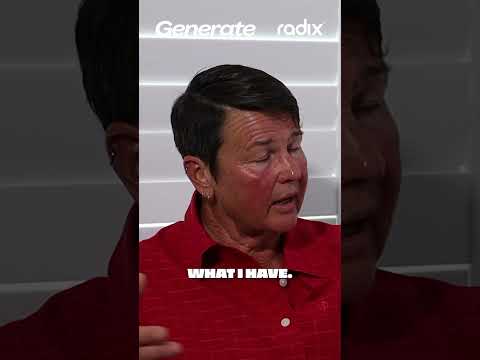
Rachel Maia || Runners Only! Podcast with Dom Harvey
Ask about Dom Harvey
Episode Description
EP50 Runners Only! with Dom Harvey & Rachel Maia
Rachel Maia from Whanganui is total badass. But just DON’T call her “Inspirational.” (She explains why during our conversation).
As well as being a mum to three kids, Rachel is also one of the best lower limb amputee para-climber in the world.
What makes this even more remarkable is the backstory. When she was 16, Rachel had a freak fall from a reasonably small height at an indoor climbing wall and broke both her ankles.
Then years later as an adult she decided to return to the spot she loves…even though it had, in many ways, ruined her life.
In 2019, Rach made the decision to amputate below her left knee.
It’s a hell of a journey and I really hope you guys like it. Rachel Maia is a woman on a mission to remind each and every one of us that we all have unlimited potential.
Need to warn you, there were a couple of sound and microphone issues with this episode. I’m so sorry about that. If you are listening with earplugs in it may not be too annoying (hopefully) but yeah, it's an incredible story so I hope Rach's story is bigger than the technical difficulties.
Dom
Listen via Apple Music: https://rebrand.ly/RunnersOnly_Apple Listen via Spotify: https://rebrand.ly/RunnersOnly_Spotify
Who should be on the podcast next? Message Dom Instagram: @domharveynz Email: [email protected]
Video produced by: Dougie Mackie / @dougiemackie https://www.instagram.com/dougiemackie/?hl=en https://www.dougiemackie.com
If you enjoyed the podcast and would like for your business to sponsor an episode, please email [email protected]
Read the full transcriptHide the full transcript
- Runners only with dom Harvey and Rachel Meyer the New Zealand para climber record holder and just an all-round
- badass is it okay I've heard you do it right how are you hi I've um I heard you on interviews before and you don't like
- being called inspirational um so can I call you a badass instead amazing just lift that
- so um first of all before we get into your uh um incredible story and what you've been through and what you've done
- running any relationship with running or not since you were 16. oh a really short
- relationship with running yeah it's always going to put a dampener on things I could you know
- um yeah I tried it I didn't love it and um the leg fell off and I thought maybe that's what's not my thing
- but you're um you're a late life amputee so you you lost your leg your left leg um how many years ago I was three three
- and a half years so you were the age of oh three and a half years ago hang on it's not hard math come on I know you're
- from wanganui he's at 36. so what do you mean because I've had them I recorded a chat with um Liam
- Malone the um the paralympic runner last weekend and he he said it like as a kid
- uh there were times where he'd go home from the school cross country or School athletics stay in tears because you know
- his leg would fall off or had finished did last I would have thought the technology between then and now would
- have progressed to the point where that shit's not going on look I think the technology is and uh the technology is
- improving quickly but our bodies are still breakable and we're still fragile even though we think we're quite
- resilient sometimes um and unfortunately with my particular amputation I've got quite a long
- residual limb which is great that works for climbing I've got a nice lever um so Extra Strength there but it means
- that it's quite bony and just doesn't really it's not very durable for high impact at the moment walking's
- challenging so if I could even get to the point that I could walk all day that would be a huge win for me it's been
- four months since I've been walking properly yeah that's um that's another thing um Liam and lines that have
- alluded to as well he said uh like when he when he was in that age where he was going out with his friends
- um he'd need to drink more and therefore get drunker because the pain just of standing up was that much it's bad that
- you're so would you agree with that yeah um I I definitely went through a phase pre-amputation where the pain was also
- really bad and wine was a great form of resilience um it can be but it doesn't make you very
- functional um and so I switched that out for rock climbing which gives me a really good
- hit of adrenaline and endorphins and it doesn't make the pain completely go away
- but it certainly feels quiet when I'm on the wall I feel like it's just me against the wall and there's something
- really mindful in that and really therapeutic and then obviously that buzz that then when you go away and you're
- back in 10 out of 10 nerve pain for 14 hours of a day and 12 hours all night and you're getting two three hours sleep
- a night and then getting up in the morning and doing the single mum thing here having that hit of endorphins and
- adrenaline during the week's really important because it just helps you cope with what you do have or don't have yeah
- yeah because Pain's pretty bad is that a thing um you do you not notice that when
- you're climbing because climbing's one of those things where you've got to be completely in the moment
- there's a lot of that yeah for sure and I'm still really scared of heights so falling maybe makes pain quieter
- surely it's not happening to you too often not too often but you know when I did fall when I was 16 I broke two
- ankles and then I am now an amputee that's really I'm sorry so gravity's been a bit of a [ __ ] in the past and
- we're not really best friends right well this makes it all the more remarkable and dear I say inspirational
- inspirational that you would get back get back on the horse so to speak so um so you were 16. do you wanna do you
- want to take us back to that sure okay so you're 16 you're an invercargill um you go to James haggis college and
- you're you're climbing yes so this is your sport of choice that's where I started climbing I was um in my second
- last year of high school and I always found School I don't know I guess socially I always
- felt quite awkward and didn't feel like I had a place where I belonged I know many people would relate to that of
- those teenage years they're very vulnerable years um and just felt like I didn't fit and
- then climbing was always this place where there's always such an Eclectic group of people there was no kind of
- cool kids nerds dorks jocks whatever you just come as you are you leave your bags
- and your baggage at the door and then when you're in the gym and you're climbing you're looking after each other
- you literally have your lives in each other's hands and there's that really high level of trust right from the
- get-go so there's a real sense of family right from the beginning and I was really drawn to that and that that was
- my introduction to climbing and then we went off to a competition oh not too far
- into our sort of climbing hobby Club starting and that was the place where I had a accident and a cooldown period at
- the end of the competition day I did a controlled drop and a bouldering fall a bouldering room and I what's a
- bouldering one um so for lessons we haven't been claiming you have two types of climbing
- one is Sport climbing with ropes one is bouldering where there are no ropes but you do have really soft ore on
- professional Landing surfaces the boys in my team as an example were doing a somersault off the top of the wall they
- were Landing absolutely fine I did a controlled fall very safely with a spotter to help catch me and my ankle
- hit a very small margin that had been duct taped back together um and that went against me so that
- angle blue kind of on the side mostly um I think there's a bit of skin covering things but you could see the
- dislocated shattered joint and then I also broke the other ankle at the same time which makes you very uncool to go
- back to high school in a wheelchair with two feet plaster first of all [ __ ] that
- Sporto wasn't the spotted spot it really wasn't like he did his job he kind of yeah
- they're not there to catch you like that sort of thing a spotter is there to kind
- of you know make sure your head doesn't hit the ground first they're there to sort of okay well he succeeded in doing
- that my head is mostly fine with it we think so how is the world we're talking about you say you said some of the boys
- in the class were doing somersaults off it how much five meters no God no my feet were not even the height of your
- ceiling it's like a couple of meters yeah it shouldn't have happened it was just a
- freak accident we have no idea why it went so wrong so quickly and are you and um are you in excruciating pain or does
- like adrenaline kicking straight away um to start with us kind of like Ugh that felt uncomfortable maybe it was a
- sprain and I went to sit up and my spotter did an excellent job of um crushing me back to the floor and
- yelling do not look don't look and at that point I worked out probably something had gone maybe worse than it
- felt and then the boys jumped down off the top and as they had the crash pads it sort of just reverberated through and
- from that point I clearly remember screaming for a good 45 minutes until the ambulance came just it was just it
- was hell um and I don't know if you've claimed before but rock climbing shoes are very
- tight and the lasers are very tight and I remember the paramedic painstakingly untying the laces and you could hear all
- the bones grating and grinding in and me screaming and a friend saying why don't
- you cut the laces in the Amber Guy saying are they your laces to cut and I just am completely capable we're worried
- about responding to anything if the rental shoes will cover it just exactly right
- it's freaking cat devices yeah yeah the way the way you tell it it's almost so it was almost like a
- quarter of a century ago um well I mean it's over half my life yeah yeah but it feels like it's yeah
- there's a lot of stuff in between um yeah so they put that ankle back together with part of my hip in the end
- they grafted bone out of my hip in there and then lots of metal and what do they
- say to you at that time so you're in the hospital you think oh it's a broken ankle same as like a broken arm or
- broken leg three months back to normal no they did not say that they made it clear quite early on that
- it was quite serious yes yep so I remember a point where the surgeon came in and they would often talk to my mum
- who was by my bed a lot um and not to me but I remember them talking to my mum saying she'll be in a
- wheelchair when she's older if she wants to have children so all her pregnancies
- she's gonna need a wheelchair this is going to turn into severe degenerative arthritis which I did and she's just
- gonna have a lifelong time a problem so I knew right from the start but I didn't
- connect to that or suppose when you're 16 you're 16 you just think it's going to come right get me back on
- the wall okay um was were they saying all these things just in terms of um just any sort of
- weight you put on it is gonna like hurt and make it worse yeah so I was told um don't put on weight you need to
- always see a really healthy BMI don't carry anything extra that's unnecessary because that's going to add further
- damage um and so I guess I was always quite conscious of being healthy and staying
- fit um and then yeah over the years I did developed degenerative arthritis and it
- just over the period of what we're talking 18 years between that accident and amputation I had another nine
- surgeries to try and fix it and one of them was this horrendous expert frame that attached through the ankle but on
- the outside and through the foot and I had I think about 12 middle rods that went through my shin and my foot and my
- toes and the ink on everywhere and then I was given a pair of spanners and I had
- to slowly stretch this ankle joint apart myself in the theory behind that was to
- try and create space for new cartilage to grow which I believe only sharks can do
- I did not do it very successfully so clearly I'm not sure um but yeah that was rough I was
- discharged from hospital on a Saturday with that on I think ibuprofen encoding and that was definitely not enough so it
- was a bit of a quick trip back to the doctor for a script for something heavier and then I was in that traction
- frame for four months um parenting three children one of them with ADHD and autism
- wow so you're in from the age of 16 through the rest of your teens through your 20s
- through most of your 30s just um constant pain if I would have walked um and as the time went on needing more and
- more Mobility aids to mobilize so it went from sometimes I needed a crutch for like if it was standing for a long
- period if you're standing in line if I'm at the supermarket I might take one crutch and then eventually it was using
- an eye walk which is kind of like a prosthetic leg but you kneel you still have your legs so you kneel on like a
- shin pad thing it's quite hard to explain to listeners but straps around your thigh and enables you to walk on
- something other than your leg people often use it for like a I don't know an angle break that's a six-week thing
- um I used that for several years and then I was using two crutches or a wheelchair by the end of it as well
- right it was just done I couldn't go on like that so was it always um was was it always an option that you
- were told you had or something that could make your life better to remove the the Troublesome ankle
- the last resort that surgeons are very reluctant to oh yeah you know even though it would I mean it has I don't
- want to put words in your mouth but is it fair to say it's improve your quality of life it's definitely improved my
- quality of life but it's also come with its own package of okay chronic nerve pain in in its own sense of the word
- disability I guess and that has a huge impact on your mental health too so either way I was going to be going down
- a path that was going to be really really really hard there was no way out of that and I knew that eventually I
- would probably end up with an amputation as an older woman anyway and I felt that
- that was a decision I wanted the power over to do while I was young I was already competing as a para athlete for
- New Zealand I'd done one world championships in Austria in 2018 and I came home from that feeling a real
- sense of I guess contentment with the decision to amputate and that's where I went back to my surgeon I had already
- asked him and he'd said no but I went back after that event I was like look I've you know worst case scenario I
- actually have found a way to balance my health and my well-being and activity regardless of whether I do or don't get
- up on a prosthetic I have this career in competing and that's giving me some sanity
- um why did the surgeon say no do they do they honestly believe the the pain you were in with the um Troublesome foot
- would be better than the alternative uh I think because the alternative's so high risk so you can manage some of the
- risks if you go down the route of having several fusions within the ankle and the
- foot then that could prolong the risk of sorry deter that what's the word uh words
- um like slow down the need to amputate right so give you a bit more time if that makes sense before
- taking on something where you're sivering nerves and putting you know your whole inflammatory system and your
- body under a high amount of pressure which can cause lots of ongoing health issues so so you were for like 20 odd
- years you were walking around with like a with like a limp or with a crutch yeah
- I just didn't walk far right and I felt quite I think I think improved so much with my
- um lifestyle now I always felt like I was on the outside so if there was a social group and we were
- going somewhere and maybe everybody wanted to wander around a garden even just that little activity of going
- around a Botanical Garden might be like oh I'll I'll just set this one out or I'll do the first bit and then I'll sort
- it out um and I felt like I was just getting to this point where I couldn't connect to
- my world anymore and the world was getting smaller and smaller and that was my way of managing pain was just to just
- reduce and then reduce more and then reduce more and um yeah then becomes it's really
- isolating yeah it's pretty isolating and I I got to this point where I felt I was
- not showing or modeling to my children good strategies for managing you know disability and pain and and my kids were
- really wonderful mirrors I guess they would say things to me um that were quite profound and I guess
- shook me a lot at the time but helped me to see what I was modeling to them my youngest when I was when he was five he
- said to me mum you don't really like food do you you just eat pills and drink coffee
- and I just oh my God that must have felt like a dagger to your [ __ ] heart I reckon I just
- they just say what they see that's it and that's what he could see that was my way of coping with pain was I just take
- painkillers and I don't feed myself properly and I'm not going out and doing anything and chasing any of my dreams
- I've just made my whole world smaller to survive and that's not surviving it's definitely not thriving and that was the
- point I decided I would go that's climbing 18 years later yeah well I suppose it's being alive but it's not
- really living is it that's yeah that's the way to say it yeah okay so um so it was an 18-year break so you're 16
- when it happens uh then 18 years and then you start climbing again um which seems like a a lot of people be
- like what the [ __ ] are you doing getting back up there was that hard to get back
- up there after given that's how this this lifelong of like pain and nuisance began
- yep and also no climbing wall in wanganui so oh yeah is there one there now no there's a little bit of a where
- do you go palmy or nope nothing there either um is he not a climbing woman palmy no
- so I can drive to uh New Plymouth for a very short squash court sized climbing wall or I can come to Auckland and visit
- you and go to extreme Edge um because I feel like they're all over the place in Auckland aren't they yeah
- there's a couple and there's some really great bouldering facilities as well right
- um yeah but no at the time no climbing partner either and a really huge fear of falling so I rocked up to the taranaki
- climbing gym and asked the manager on duty um could you point me in the direction
- of to wahine who will not drop me um and I was on crutches and I probably looked like an absolute idiot you're
- like what are you up to no but this woman they sort of looked me up and down and then without batting an eyelid they
- were like welcome and come in and that's what climbing is it's always like that you can have I mean you might not even
- speak the same language as some people have climbed in Austria with two I don't know 60 70 year old Germans who I could
- not communicate with at all but you can kind of say take rope give like the important kindness that's the only other
- word I can think of I'm safe with a good phrase to learn um lower or climbing clipping
- um that that's Universal for us but we just still feel like we belong so these women
- um took me in and they became my climbing family to start with and they were the ones that encouraged me maybe I
- could have a crack at New Zealand Nationals when they have their first pair of competition in 2017.
- so you even though um even though you you had all your body parts at that point you still qualified for the powers
- yeah yeah there's a reduced power right so I would use my knee and I would use it as
- a counterweight but I couldn't step on it at all so from um from 16 through your 20s
- um getting around with this this um you know not a not a you're not missing any body parts or anything but getting
- around with this disability like um was everyone quite accepting uh it was it was there teasing or taunting or
- anything like that how did you feel yeah I think you know I think my whole life I've dealt with negative labels
- that people either say kind of off-handedly without intending to be unkind and maybe that's a cultural thing
- that we need to be more aware of is that sometimes our humor can be really hurtful to people because you just don't
- know who is barely hanging on right now and in what button you're pressing um but yeah right from the age of 16 I
- remember at 16 and adult saying to me if you were a horse I would shoot you myself
- and has his uh theory was that I didn't have enough Faith or positivity to heal myself in it all right I should just
- keep hold down so unbelievable who was it like a stranger someone you know I think maybe we won't go there but
- um we don't have to go there but I'm going to take it as that is meaning it's someone that you know and that's someone
- in an information of power who should not say things like that well no one should say that anyway but at least of
- all someone on a yeah someone that you know or someone that's in a position of so from a young age that are the sort of
- negative things that that I heard now and then and you're just not or I didn't feel at that age capable of I guess
- filtering for myself and choosing my own labels and in my own worth and my own value and that's something I've had to
- grow into maybe not until my 30s um as an adult I heard the words um you're just a [ __ ] [ __ ] I'm not
- attracted to you anymore and who from a partner I heard the words and I and I had to get
- to that point where I decided nobody gets to rent space in my head unless I let them you can say the words you can
- do the mean things but actually it's my responsibility and it's 100 on me whether I let that stick or not but um
- I love um I love that that saying about you know letting people live rent free in your head but it is easier said than
- done you know I I was brought up with the slogan you know Sticks and Stones um and I talked about this on the
- podcast with with Matthew Ridge who's um you know he's quite a quite a Brash polarizing guys and we talked about how
- name-calling [ __ ] hurts it's easy to say shake it off or you're not living rent free in my head but it's
- easier said than done and the fact that like you remember those specifics like decades later it's scars yeah I'd say
- yes scars is a good word that's appropriate um but I also look at who I am now and what
- I'm doing and and the ways I'm learning to stand in my truth and own my journey and I feel like
- um sometimes yeah sometimes those scars are also the making of you maybe yeah I wouldn't wear shirt on anyone but I mean
- I like these opportunities where I have a platform to share and to I I hope encourage people to turn up the volume
- on Joy because to me that's how you call you know you said it's easier said than
- done to say don't let something rent space in your head so what are the mental health and wellbeing tools that
- allow us to not let someone rent space and that's the stuff that I had to learn from Rock Bottom and for me it became a
- matter of running back to the climbing wall where I would hear these really positive things like you can do it you
- can get it and that became such a really loud verbal Audible Voice in my life and
- then I would go home and write these positive words on my mirror and I would replay them to myself and I found that I
- couldn't um I couldn't empty out those negative words until I replaced them with
- something positive it wasn't simply a matter of saying don't think about that don't let that have space it was a
- matter of saying well I'm going to fill that space with something louder and something that carries more power and
- and then also just to keep running back to the stuff that makes you happy you know that's why I climb
- um it makes me happy and the more I do that the more capable I feel in other parts of my life of taking control and
- being in charge of my thoughts yeah yeah um yeah um what it do to your self-esteem over
- those years didn't have any didn't you no see the the woman on the almost middle-aged woman that I'm seeing
- sitting in front of me now the mother of three the rock climbing Champion um I find that difficult to believe
- and isn't that amazing because there'll be people listening Who currently you know maybe don't feel they have
- self-esteem or are questioning their Worth or maybe you know maybe somebody's listening who's having to put up with
- that negativity in their life or is in a situation where they're being bullied at
- work or at home and and when you're in that you cannot see that there would possibly be anything brighter or bigger
- and I couldn't in in your right that we're talking about two completely different people and I love that because
- one I've had to fight to become who I am but two I now get to say to people even
- if you're in like that absolute shittiest messed up space like what you can see right now is not all that there
- is and and there is so much more and you you haven't even imagined it yet and I never set out to become a New Zealand
- record Setter or a paraclimer on the international World stage I just I just went back to rock climbing to find
- myself again and to get over a really um traumatic past with abuse and to give myself a space where I could just be
- Rachel not you know all these other labels or um you know as a mum to create some
- space where I've got my time and I'm putting that Mum hat down because sometimes we're not very good at that
- um all these all these positive reasons for going back to climbing but at the time none of it was about becoming an
- elite athlete I just needed a piece of me again and I know that there will be people out there who feel like they have
- just had strips torn off them until they're a shell of who maybe they once were and and I can tell them 100 there
- is more that you just just hang on back there anymore yeah I you mentioned before about being
- um being in a bad relationship did you want to you want to touch upon that or not really
- I think the really powerful things to touch on are that um maybe the ideals with
- built up for ourselves about a happily ever after or a you know a two-parent family
- um they are really lovely ideals in in sometimes we put a lot of emphasis on them and we feel like we can't break out
- of something negative because then we're losing that dream or that ideal but um I guess that's a journey I've been
- through where I've learned sometimes the ideal is that we're better apart than together and and I would much
- rather be a single mum than teach my children that love is something at 100 is not and
- um and I'd I want to be a voice for that so yeah when you ask me I want to touch
- on it yes that's also a really hard subject to open up and actually I understand I I understand I'm completely
- the same I try and be like as open and transparent as what I can with all aspects of my life but absolutely but as
- I've grown up over the years and can look back and regret some of the things I overshared on the radio it's like
- sometimes if there's other people's Journey involved it's not always your story alone to tell yeah that's a
- but you know the important things to focus on are that as women we path and we can make positive changes
- for not just for ourselves or for our children but for wider family and people in our Circle
- and sometimes that comes down to a really really really hard and heartbreaking decisions but that's okay
- too yeah and it might not feel like it's okay at the time but it is okay and it can be okay and there are services in
- people who can help and for me the first part was just actually my ankle you know
- to be honest I think was my ankle that gave me the um the strength in the first place I
- ended up having to see a therapist for there and I was really into it I was like I don't need help but it became a
- safe place where maybe I could let the walls down and then and I learned to share in that safe place and then I
- um was this you talk about going to see a therapist because is this something you had to do I had to do it if I wanted
- that expert frame on my leg that was the um big crazy middle expert frame on my leg okay my surgeon said the last
- patient that I did this one had a mental breakdown and that's the only patient I
- have done it on you're number two it has only been down five times in New Zealand
- and I have 100 fail rate with it um just because he'd only done the one um and so I needed that support in place
- before I went through that because it was going to be really traumatic so how many sessions do they do they make you
- go to is it like three hours two hours I don't even remember right um so the reason I ask is um me and my
- ex JJ we went through the whole facility fertility cycle for a number of years and when we gave up on um having our own
- kids and uh decided to go to the donor path um uh prerequisite of that is having
- like a couple of hours of counseling and they ask you that I hadn't had any counseling and I was I was like you're
- completely anti-counseling at that point um but they ask you questions like oh how would you feel like if um if if your
- mate later on in life comes along and wants to be more of a father figure in the kid's life and it's like I felt like
- I [ __ ] my way through the couple of hours with the counselor yeah I knew what I knew what the right answers were
- and what the wrong answers were so truth didn't even matter this is so accurate though and I like so by the time I ended
- up seeing this therapist um or psychologist I had been through maybe five or six
- counselors and I had [ __ ] my way through all of them and I would get to the end and they would say well you know
- you seem really well put together and you've got some good coping strategies for the things that you've shared none
- of which were actually the things I needed help with because I didn't go there um I don't and then I would say we don't
- really know that we can help you anymore and so I'd walk out of there feeling quite proud of myself
- another one and met with how I went into this next one do you think they know uh they know they
- know you're not being completely on or say but that's the thing with therapy is unless you're willing to take your mask
- off and be real then they can't help you and that is the thing with abuse as well
- as unless you have got to the point where you're willing to accept the help and you're willing to do you know the hard
- things and make the hard choices and to be really vulnerable which does feel really icky to start with and and you
- know and you're probably going to lose some friends and it's going to be really really hard unless you've got to the
- point that you're ready to do that then counseling isn't going to work yeah um but I feel like um for I think for
- for New Zealand men in particular um being vulnerable and having these real walls down conversations are tough
- so therapy is a great way to start you know I think it's for me in particular though I thought I think it is harder
- for kiwi men it's like um you know if I noticed some like women out at a bar or whatever like um they can be almost
- complete strangers in the same sort of group and someone will start crying and then the others will gravitate around
- the bond to each other um I've got guy mates that have known for a couple of years and we've never
- had anything more than a superficial com you know conversation I feel like women
- I don't know that's a that's a general maybe it depends on the setting I definitely know circumstances where if a
- man were to be tearful and emotional they would be considered really strong and I think that's the narrative is
- changing isn't it yeah but whereas for women if we are tearful or emotional about some things in particular when
- we're asking for help we're maybe considered um too sensitive or too emotional or
- hormonal or hormonal or oh it's just PMS you know like you're kind of screwed either way yeah yeah oh she said three
- Pinot Gris she always does this which is the one I think that the dialogue goes both ways and but you know the key point
- there is that being vulnerable is really important yeah absolutely it feels like a huge
- weight off there is that old saying like a problem [ __ ] is a problem halved but
- it's it's totally true I mean unless it's shared on radio and then you probably just doubles your problem yeah
- that's true um it's yeah it's funny that you talk about having an abusive relationship
- because this is not something I've actually thought about until right now but I feel like um over the years on and
- off I too have been in a abusive relationship but it's with myself we do that don't we
- yeah yeah have you it feels that feels like your situation like your self-esteem was slowly like
- chipped Away by another person um but you may it's like I'd um I yeah I'd I'd never I'd like to think I'd
- never stand an abusive relationship like that where someone else is like belittling me or being mean to me um but
- I'll I'll say things to myself that I wouldn't accept from anyone else we do yeah I think everybody does yeah as well
- yeah absolutely but that's where um I think I was saying earlier I got to that point where I have to work out that
- letting that stuff have space in my head and repeating it to myself is that's on
- me that's my responsibility um and for me I have to see it written down so I will write the opposite maybe
- of how I'm feeling on my mirror um often it's um so like is it like fake it till you
- make it a little bit Yeah so like what do you write on your mirror like positive affirmations or
- um yeah at the moment I think I have which is I'm brave I'm resilient and I I have things like
- um be you do you for you little affirmations that remind me to stay true to who I am and not to shrink around
- other people I guess and to to embrace those opportunities to use my voice and into yeah I guess be myself but it's
- really hard to do and we do beat up on ourselves and we say all sorts of [ __ ] that like if our kids friends said that
- to our kids I mean I would be I would be knocking on someone's door saying hey we're gonna
- have a little chat yeah before you see because we don't want you hanging out with a Jaden anymore it feels like a
- Jaden sort of thing I don't know yeah I think we're much kinder to other people and it's easier to see that those
- behaviors and and that is the trap with abuses that's why it's hard to get out of because you pick up the mindsets and
- the attitudes that one else has put on you and you start wearing that like your comfortable outfit and your favorite
- clothing and you just get up and you go through your day thinking well I am just
- a [ __ ] [ __ ] that's all I can achieve and so I'm not going to fight for anything else
- um and at some point you have to decide that's not the outfit I'm wearing today I'm gonna wear strong and confident and
- capable and I might not feel any of those things but if I put that clothing on as armor and go through my day
- reminding myself of it then you slowly grow into there and you slowly become more of what
- you know written written in the path after a while do you just um start to believe the narrative that someone else
- is feeding you is that what it is yeah that does happen um yeah yeah and I think you're in survival mode
- so yeah you're yeah you're not always making your own choices for yourself yeah oh man that's
- so rough geez so the so the leg so when you must have been wrestling with that decision for years so the surgencies are
- we don't advise you to do this um how long were you thinking I want to do this but I know it's not the right
- thing to do but before you reach the decision that's like right let's go take this thing off like how many years I'm
- getting it two years no no I think I just got to a point where I was like oh geez I'm done like I don't
- want any more surgery so it's just love it off I know and I um and I asked like as soon as I got to that point I
- asked straight away but I also knew I would be probably told no the first time and
- um and sure enough I was told no and so I waited 12 months and then I and during
- that time I made lots of really inappropriate dark humor jokes about cutting legs off which probably made
- people feel really uncomfortable but it was kind of my way of adjusting to the the probably New Meme that was coming
- and then I asked a second time and by the time I got to the surgery day I was just honestly I was so excited for it
- and um attitude were there to film so I have a really beautiful film of my amputation morning which sounds like a
- weird thing but it's really nice to have that and for me it was a um I guess a process of letting go of
- something that wasn't serving me well anymore and maybe that's a bit of a actually there's pretty metaphor with
- metaphor with my life and uh yeah and a bad relationship that you're in so yeah it's something that you love something
- that's a part of you but something that you just know is toxic to you yeah it's pretty hard to let go but then once
- you've made the decision it's quite freeing I remember there were two points I cried on the morning of my amputation
- um one was when they came and put a or went to put a fluorescent pink return body part sticker on my wristband
- because I'd asked to have my leg back and it's currently in my wardrobe um the extra one the OD yes the actual
- Vehicles it's very Jeffrey dahmerish what do you mean it's in your wardrobe it shouldn't have been the freezer or no
- oh that makes way more sense it's ashes okay there's this decaying leg with like
- we're getting sidetracked but it's a great Sidetrack I had this dilemma where I felt like you know talking about
- letting go I was ready to let go but it's not rubbish so I didn't want to just Turf it out with somebody's
- appendix and some old guy's prostate cancer like I don't need it to just go up in the incinerator like that so I
- kind of wanted to hold on to it and then I felt well you can't like I can't put that under a tree in the backyard
- because one day I'm gonna sell the house and move on maybe and then the next family and their mum's gonna be at the
- kitchen peeling potatoes one day and her four-year-old's gonna come in waving a leg skeleton and then there'll be a
- homicide inquiry into me but I'll just be off in Europe somewhere climbing like it's gonna go bad really quickly so I
- rang a crematorium in Wellington uh it's a fairly awkward conversation I forgot to explain that I was having an
- amputation and I just rang in basically cold called them and said hey uh I'm calling from wanganui eight I was
- wondering if you could cremate a leg on the other end was like um uh just the league I was like yeah yeah
- just the leg uh a human leg I was like yes yes just a human leg and then something like a
- radio station well that or someone's disposing of a body part it like you know 15 different crematoriums
- so I had to quickly I think the criminal the crematorium that gets the phone call
- about the head to be amputated see uh yeah so that's in my wardrobe where were we okay so I was crying I
- just want to sit on this for a second so like in terms of charging you is it like
- 10 of a body or that was the question I had to ask how much is it gonna cost me uh
- and then the next question was um okay so that's awesome that you can do it and it's not that expensive in fact I think
- the answer was we could probably do it on the back of an actual crematorium when we already
- have the fire going so we won't have to fire it up just your one leg so that'll make it cheaper and I don't think they
- charged me in the end at all which was really kind of them um so you thought it was going to cost
- you an arm and a leg but then I was able to negotiate yeah just the league not even the league okay
- um refocus so okay so you're excited going into surgery what's involved what's involved with the surgical procedure is
- it a is it a quick operation I didn't really ask yeah no not my circus not my yeah maybe an hour and a half I don't
- think it's complicated but so they just saw it off and and then the crematorium comes and picks
- it up I don't know like I'm guessing there's something that's involved and and like creating a stunt uh yes so
- there should be a um muscle rep that comes up over the end of the turbine fib and that's what I'm having looked at
- maybe having fixed in the next little bit um I have an appointment up here in a week with a surgeon because my muscle
- rep herniated so I don't have anything between the bone and the skin it's just literally four mL of skin and I'm
- walking on that um but yes that they cut it off I had a cry when they said put the return body part sticker on
- and then I think I cried when they came in with the blood bank forms and they said you can't go in with your last name
- of Maya which was really meaningful to me um you're gonna have to go in with your
- previously married name because if something happens on the surgical table and you need blood we can only give it
- to you under that name and I had a big cry and they went away and said oh that was just a glitch in our system we've
- fixed it sorry about that unbelievable so that's a yeah so yes that was a name that you no longer comfortable using
- yeah and so when we talk about letting go and moving on and how the amputation was a bit of a metaphor for letting go
- and moving on it was really quite symbolic for me and I was really I don't know I guess it was a really emotional
- day on so many levels because I could just see how much I had grown and how I'd become through this journey with
- this ankle and this disability and who I was still becoming and all the places that I was going to go and yeah amazing
- and and so when you get the operation done so what year are we talking 2018 2019 2019. how old are your three
- children at the time uh it's gonna be the weirdest thing for a young cat your mum having having both feet and then
- only having one I was super excited for it were they I must you must have been projecting on to them maybe but you know
- I think I always did this for the little things it was never about my sport as an
- athlete it was always those small moments with my kids and I remember quillin who would have been I guess six
- seven at the time um he wait he's 12 now he would have been eight or nine at the time okay is
- he the youngest he is the youngest he had said to me when I came back from my first world Champs I think mum can't you
- like why can't you can't you just take that leg off and get one of those ones that actually work and then you could
- stop saying no to me when I ask you to play um so that was one of the big motivators
- for me was a is that Thea was so disconnected from my kids because I was in so much pain all the time is that the
- child that also said all you thought he does like munch on pills and oh my God full of the truth bombs he is such a
- sweetheart but he's also been making me a flat weight on the coffee machine since he was five yeah and he is oh he's
- such a darling um all three of my kids are amazing but I've definitely got a sweet spot for the
- boys and um yeah they're just I'm incredibly incredibly lucky mum to have such amazing kids and we've had to learn to
- be a team and we've had to learn that it's okay to not be okay and we've had to learn to be able to see what does
- support look like for you right now and for me that's doing it for the boys when
- they are overwhelmed because Charlotte's disability is so demanding in our family
- yeah what Charlotte got um so she has tracked 12 which is a rare chromosome difference she's one of only 30 people
- on the entire planet to have it oh what does that mean exactly uh come through the superpower of ADHD and autism and
- intellectual disability um quite severe or she'll she'll be a dependent for her for
- her life um she's communicative she can talk she can bird flip you so you can drop the
- water if all the cute things all the essentials to get through life she can do that to her principal
- um and does and does she what's her latest one she's got one real weird superpower where she doesn't really feel
- pain the same as other people so uh the other morning I woke up two words that no mother would like to hear
- at 7am on a Saturday morning um she was also laughing hysterically at the time so I honestly didn't take it
- too seriously but probably should have and the words were oh my goodness it's a disaster I need the emergency kit I'm
- making Footprints with my blood and she literally she dropped a small small like
- food coloring jar and then stepped on it a couple of times and she just thought it was hilarious that she was stomping
- bloody Footprints all through the carpet and I haven't been walking for four months so I just hit the floor literally
- all like hands and knees crawling up the hallway at speed to try and get to her and my 15 year old overtakes me part way
- along the way because he's got two legs and he's faster um and yeah there were sure enough
- bloody footprints on the carpet food coloring though not blood no actual blood actual blood actual blood
- she doesn't feel pain right right how bad was the cat they weren't bad but as it turns out feet can bleed a [ __ ] ton
- how did they happen how did the cuts happen she dropped a little food coloring just stood on it oh okay I got
- you I thought it was weird food coloring no oh [ __ ] no not red food coloring so
- she she's just got a massive pain tolerance yeah quirky that is a superpower it's a
- superpower but we do feel pain for a reason yeah this is it so it can be a bit dialogical
- um but we quite like using the word super powered or magical for her or a bit of a fairy rather than disabled and
- that's kind of just how we roll and and yeah like I say we've learned to say what does support look like for you
- right now I think that's a question that we should ask our friends more often and
- our family more often and our kids and our partners and we don't we're just for some reason we don't actually ask that
- specific question um but it's a really powerful one geez well you're in a position to give them
- some good lessons and you on things like you know resilience and I don't know persistence
- yeah all the all the important stuff yeah but hopefully I I mean I hope I'm also teaching them to be real and that
- you know this week Max and I my 15 year old we've now and again we've screamed in a pillow together just like we just
- need a moment and so we'll put a pillow over our face and we've shared the moment and just screamed into a pillow
- and I I hope that that's the stuff I'm teaching them is that when you hit the rock bottom these are some of the
- strategies that will help you get through not to expect that life is not going to be a raffle isn't going to deal
- [ __ ] at you because it really is and sometimes it's 50 Shades of messed up but if you've got all these tools and
- you're told about and if you know how to ask for help then it's going to be okay even when it feels
- like it's not well I think and I think that's good you've got to be realistic about it like I've had um someone on the
- podcast and she was like my only wish for my kids is for them to be happy and I'm like it's it's just not a feasible
- state to be happy all the time you need to accept that there's going to be [ __ ]
- that goes on in your life life's gonna really hurt sometimes yeah and you need to be armed for that don't you yep I
- suppose that's the work you're doing with your kids now we we so you I mean you were either armed for all the [ __ ]
- that's come your way or you've learned and developed the skills along the way what do you think it is
- along the way I don't think I was at all prepared for any of this when I grow up
- whatever left home um probably had the streets of a four-year-old and um yeah if somebody had told me back then
- what I would what a normal day would look for me now I I mean I don't know I don't know if I'd
- still be here I'd definitely the same way because it just seemed too hard I've had some really rough times and I've had
- some periods where I felt like I can't keep going and I've had moments in my life where I thought maybe I should not
- keep going and I should tap out and it just feels hard a lot and you don't think that you're going to make it all
- the time but over the years I guess I've learned to trust myself that even in those moments I've
- I do have some skills and I have people and I have the strategies and I can trust that even if at the time it
- doesn't feel good or survivable I just know that it is like it has to be and it is and so I will just keep going
- and that sort of became the theme for the World Cup trip that I've just been on in May June July
- um we're creating a film with my travel friend her name's Katie and we wanted to
- create this film about continuing even when life just hands you [ __ ] how do you
- continue and how do you chase the joy in there and how do you create Sunshine When there literally is none for that
- whatever reason or period in your life because those periods happen you you hit a roadblock and it's just dark and you
- had to make the sunshine so how do you do that and how do you keep going and right in the middle of it in Austria a
- friend of mine back home lost her husband to suicide and I just felt like there literally was no
- point to being on the other side of the planet competing and doing this athlete thing and traveling the world
- when my friends are dying at home um and that's like something that so many people are facing the grief of that
- or the fear that that might be them one day or the you know battling those constant
- thoughts that maybe that's a path they want to take like for many different reasons
- that's a subject that's relevant to us and I just I just wanted to get on a plane and I wanted to come home and um
- and we didn't and we decided we would stay and we would continue and we would do it all because we could in because we
- had the strength to keep going in because that's the whole point is that it's not actually always about a gold
- medal or a silver medal or a New Zealand record it's about continuing when everything's really hard
- and out of that you know we had an amazing trip even though it was really rough it was also
- an amazing trip there was covered there was hospitals there was stump infections
- there was grief there was loss um but we grew we became different people over that course of the time and
- we continued and I hope that that's a dialogue that you know through our film I hope that we
- can share that the essence of it is all to continue and that when you're in that
- big big big Darkness just to remember that that's not all there is yeah as I touched on before yeah keep moving
- forward eh yeah one foot in front of the other and uh yeah there's another thing
- this too shall pass and it's just so cliche but it's so true [Music] absolutely true like no and you've got
- to remember like um you're good or bad like if you're going through the most amazing time and your life is perfect
- like nothing stays the same forever good or bad but you just need to remember that yeah when it's good which seems
- Debbie Downer but it can do I think you know maybe the phrase is not so much this too shall pass but like grief in
- itself doesn't necessarily pass loss doesn't pass the person is still gone but we learn to live with it and so we
- um don't necessarily make friends with grief or loss or trauma but um the heaviness of it might pass and then
- we learn to continue yeah with what we have if that makes sense yeah I think setting ourselves up for the expectation
- that well grief was going to pass it's not it's gonna it's always going to be a part of you but there is another another
- one of those cheesy cliches that Tom heals Tom heals the wounds and it kind of does it's like when you lose someone
- close to you through whatever reason illness suicide whatever the grief is unimaginable at the beginning you think
- about them every moment of every day and then it gets it gets less and less I got
- a mate that died of cancer a few years ago and um every now and then like maybe once a
- month I'll think of him and then I'll feel I'll feel like a sense of guilt that I don't think about them all that
- often anymore but your life just goes on and it gets further and further in the background that's a horrible thing to
- say isn't it a little bit yeah it is I mean I guess it just has to be said at the right times if somebody's listening
- now now not on that place I wouldn't think that it's a you know yeah that's it we're petting you on the shoulder
- thing at the point it's going to pass that's not what either of us saying it's just that yeah yeah but just hang in
- there okay so so this film you've been mentioning when when can we get to see that uh what's going on with that
- because the trip was quite diabolical we've decided we'll continue filming okay next year that's um Katie's
- directing and filming there and we both had our iPhones out the whole time and it was just this
- I don't know catastrophe of us falling over and getting hit by hail storms and um hospitals in every country literally
- um so hopefully next year goes a little bit better but again the point of it is hopefully to create something that you
- know opens these dialogues about grief and mental health and well-being and continuing so whatever the outcome of
- that film um yeah I think it will be good stuff yeah and you you so you may have an
- operation coming up to remove a bit more a bit more of your of your bone or take
- your leg a little bit higher yeah I have no idea what um what revision will be suggested or if the surgeon may say we
- really don't recommend any revision at all and this is what you've got so you're going to have to learn to manage
- um that's that's a possibility but I do have an appointment next week to talk about that and then yeah I guess if
- there's surgery we'll just power that out as fast as they can and get back on the World Cup circuit in May next year
- power that out as fast as you what does that mean exactly power that out as fast
- as you can well you just said you've got to accept that you have a little bit a little bit of time off the climbing but
- um I mean not a lot like what was it so when you had the foot taken off how like
- what's the recovery like for something like that I was climbing six weeks later before I could walk I competed at New
- Zealand Nationals 11 weeks later wait wait wait wait wait so you were climbing before you could walk yeah I just use
- one link and then wait but did you do any training or when I was training in hospital I took my grub streak with me
- and I was still going I didn't stop you don't need legs to do pull-ups um wait where were you doing the
- pull-ups at home we've got like a training set up and oh God you're a surgeon's nightmare we've got like
- little I've got a fingerboard where you can hang on your fingertips and then I'll get my climbing harness out and add
- an extra 30 kgs of weight to it and just do a little micro did hang so I made it
- back to the world championships in France literally five months to the day after my invitation and came forth in
- the world what was your expectation right before the surgery occurred did you think it
- would take longer than that or was that your good I know I was going yeah okay there was no chance I was not going yeah
- what are the surgeons say did they say it's unlikely yeah yeah yeah did my GP also say that might not be a great idea
- maybe but he also is very good and he said but I also know this will help your mental health and your recovery and so I
- will allow it yeah yeah they just yeah I suppose they have to like say oh we don't necessarily approve it but yeah
- the same as the doctor in Austria this year um I had a stump infection and I ended up in another ER Maybe
- um but this time instead of saying oh my God you need to go straight to hospital
- and stay there for a while at like the doctor in Germany he was a um crank Works Lover he had like eight bikes or
- something and rock climbed himself and he just looked at me and said well I know that even if I say to you you
- should not be climbing in the next World Cup you're not going to listen to me so
- instead I'm just going to tell you you are not allowed to train you are not allowed to walk you are not allowed to
- wear your leg until the day of the world cup and then you may do your two climbs
- for qualifiers and if you get there you're one client for finals and that is it that is all you'll do and you are not
- allowed to break skin again if you break skin you've done that you're out so I did my first qualifier climb and I was
- pretty sure I'd broken the skin I was like well I just don't look I don't know what my next did my next qualifier and I
- made it in finals and I also did not look for the next two days I was like I just if I don't change the dressing then
- I don't know what's going on I mean they've got your best interest at heart they do I think maybe they
- underestimate your determination determination stupidness yeah so um back to what we started with
- at the beginning why why are you so funny about the word inspirational why why does it you can I I can see even
- wince when I say it why are you funny about that um it's a really hard question to answer
- without sounding like an ass so I guess I can share some experiences that maybe explain it okay
- um but I mean at the same time I'm not I'm not allergic to it per se maybe I just have a slight intolerance
- I think that honestly whenever someone says the word it's like you've just swallowed a like a cold mouth full of
- sick it's a compliment right like if someone says that and they mean it it comes from
- a complimentary place and I think if someone came to me and said I was inspired by you to not give up and I was
- going to give up and I'm still here today because something you said made me think there was a reason to keep going
- that's like I I live for that if that's what I spend the rest of my life doing speaking and sharing and and giving
- people hope when they feel like they don't have any then I'm here for that but when you're in the
- gym in the supermarket and the petrol station and just walking down the street or whatever and you hear 10 times a day
- someone say to you um oh you're so inspirational that you even get out of bed in the morning
- that's not actually helpful oh okay so if you're not doing anything inspirational well even just that that
- person I mean even if I was doing something inspirational but if that person has not been inspired to become
- better or or to do something that was hard or to overcome a challenge or I don't know inspired to just be still and
- be in the moment and be present if they're not inspired to be or do anything then it is just a word that
- they're saying that they probably walk away thinking they've encouraged a disabled person and it's just
- patronizing it's quite patronizing and I think you have to remember as well that
- I or we as a you know as a community disabled people we would get that many many times a day and sometimes quite
- obnoxiously where people come into your space you're having a conversation with a friend and they'll sort of hijacked
- your conversation to come and tell you oh I read your article or I listened to that podcast with dom Harvey where Dom's
- in lots of inappropriate things um sometimes I'm going to ask but it's accidental that's fine that's why I
- wanted to know about the inspirational thing I love the way you've explained it I'm missing with you I think like the
- point being it sort of hijacks really meaningful connections that we need because it is [ __ ] and it is hard and we
- are on struggle Street and I have I still have days where I have to battle the thought that maybe quitting would be
- easy and I'm not going to do that and I'm staying and I'm here for my kids and for myself and
- um and for everything all the ups and downs but it's a battle and to be having those
- meaningful connections during our day hijacked by somebody who wants to know what happened to your leg or are you so
- inspiring it's it's not encouraging and it's not helpful so I guess I like to advocate for that in a way that sort of
- speaks the truth and love so to speak gotcha occasionally I'm rude about it but are you well just at the end of a
- long day uh yeah or just a if just if you're having a moment having a sassy moment I guess both there was a guy in a
- petrol station who called it out once and he's he just it's the question like what happened to your leg question that
- I'm like you haven't stopped to think that this you know for me it's not trauma but someone it could be the most
- traumatic part of their life and you've just asked a stranger to tell them that story just because you were curious they
- think that's incredibly rude and someone called it out across a petrol station Excuse Me Miss did you lose your leg
- from kicking cats I yelled back no I lost my leg kicking idiots who ask stupid questions and then
- I walked out of that shop like I owned it might drop oh that's amazing that is a
- bike drop although that's not a bad line like if you're gonna ask a dumb question
- you're gonna get a dumb answer sometimes I tell stories I do like to tell kids that I I think I borrowed myself another
- EBT friend I didn't eat my vegetables and my leg fell off and usually the mothers over the
- shoulders are just like thank you because they know they're going to get veggies into them for maybe a week till
- they work it out wow yeah I suppose people don't realize how um I don't know they probably think it's like a
- conversation starter but they probably don't realize how insensitive it's a really dumb conversation it is yeah I
- mean kids I don't I don't mind but um you know if you're at the gym and you're working out and some guy just leans over
- and wants to ask what happened to your leg I'm like why don't you start with hi my name's Dom it's nice to meet you get
- to know me all of me and then when they've got your name [ __ ] Google it and find out Google it you can there's
- so much on Google all these article's online um so many articles something you see it
- just going back a couple of minutes you said um yeah someone asked that question
- and you're not particularly bothered about it but a lot of people would be um are you yeah are you I mean we've
- talked about it in this podcast but I'm guessing it's not a nice thing to talk for you to talk about going back to 16
- and well I just don't want to talk about it 10 times a day to stream yes that's stupid it's a waste of my time and
- energy and also it's living in the past yeah um and I guess that's something with the
- amputation that I didn't expect because I'd had this injury for so many years we're talking over a decade I genuinely
- um was exhausted answering the question when is your leg going to get better I just I couldn't answer that for the
- whole rest of my life that was I want to be frustrating for you as well no I don't know I would love it to get
- better but it's not and so I legitimately thought that when I amputated my leg that would be an end
- point to that in it I started another starting point um so I suppose it's like I mean you're
- a mum of three so you have you have you get married people asking you can have a
- kid you have one kid people asking one second one are you gonna have any more you have a miscarriage and someone asks
- you in the supermarket when are you gonna have the next one and you square them in the eye and say it just died and
- it's really awkward and then you walk out of the shop that's another mic drop by but although quite a Macabre one
- um yeah what yeah um so as I mentioned earlier like um me and JoJo had some fertility struggles
- and it's a bit different to you but um um I resonate with you in a lot of way like but yeah people would make make
- jokes and it wouldn't necessarily bother me but having to be been some fertility
- clinics and support groups and things I know that it would really [ __ ] up some
- other people but people when they find out you can't have kids the thing they'll say is like oh you're welcome to
- take one of mine or take a couple of mine and it doesn't bother me but having been in these in these groups before
- it's like that would really [ __ ] up a lot of people and you don't realize how upsetting that is I think that as a
- society in general we're not very good at slowing down and thinking before we speak and
- um but I think people people say it because they think it's like funny or I don't know but you know if we slow down
- and thought about it we'd say it's not yeah I mean it's not helpful we yeah what's your situation it's like okay
- hang on let me think maybe something bad happened to her leg maybe I you know what changes case
- scenario gonna be like a frostpoint I I don't like anyone that's lost a leg there's a there's a [ __ ] traumatic
- story behind something there yeah and and similar with Charlotte I get people coming up to me saying oh you're so so
- you know so amazing that you do what you do I just I couldn't do I couldn't do that I couldn't have a child with a
- disability and I'm just like really you wouldn't look after your own kid like yes you would you would you do you do
- the things we're not in any of these situations by choice we're just getting up every day and doing our thing and so
- that's where the the repetitive you're so inspirational thing starts to you know
- way down oh yeah well thank you very much for explaining that for me and probably for a lot of people listening
- as well yeah I think mindful inspiration is maybe a good good um good way to frame it mindful inspiration
- how do you mean being mindfully inspired so to listen to a nice podcast and to write
- something down and to go away and put that into practice I think you know we could all be doing
- that yeah absolutely hey it's been great to finally meet you we've been um bouncing DMS backwards and forwards on
- Instagram yes um great to finally sit down with you um you are a badass like can I call you
- about it absolutely well you've been through you've been through it a [ __ ] time something
- um or just one final question actually actually maybe maybe two two final questions
- if you could if you could go back to say 15 or 16 years old and change the other four and what happened but
- then in turn that would change like everything else that's happened in your life since then and we don't know how it
- would look now if that accident not happened like would you reverse it never in a million years
- no I'd still jump and for me it was conscious like I chose to let go I'd still let go
- because I love how I've become and yes I've had to factor become that person but I just
- I couldn't not be who I am now and and I think we're not very good at saying I'm proud of myself and I'm proud
- of what I've worked through and I'm proud that I don't carry the same trauma you know I can talk about things now
- without feeling like a victim or feeling like I have these labels over me I choose who I am and I think that my
- accent has through all of that kind of woven it all together in a really profound way so I
- I I'm thankful for it you know I wouldn't undo it yeah what an answer I mean it's yeah so
- I said every little piece of that Mosaic leads to like where you are today that's
- it yeah yeah it's like the one thread in a tapestry that just has carried it kind
- of pulled everything together in a weird wonderful colorful way yeah and and final one so that was such a good act oh
- do we even leave this last question we'll ask and you can cut if you don't want to answer right yeah I should have
- asked the other ones yeah I know this one's I've had like quite a few people on the on on the uh podcast this year
- that if I'm either lost lost body parts or have ended up like quadriplegic or tetraplegic
- um do you when you dream now do you still have both legs or do you dream and you've got one leg
- missing it's apparently I can give you the theory behind this if you you may not
- even know maybe it's not something you've thought about but apparently um it takes time often a number of years
- before people that have lost a body part or you know something has drastically changed accept it and apparently when
- you finally do accept it that's when you start dreaming as you are now I think I've dreamed as an amputee right from
- the start but for me I was losing the leg like I was losing it for 18 years and becoming quite disconnected to it for a
- really long period of time so it wasn't the same as say someone who lost it really quickly in an accident
- um what is weirder for me is that when I and I was watching TV the other day and
- someone got up out of bed and walked to the fridge I was like you're gonna fall because they hadn't put their leg on and
- then I remembered that they have two real ones and don't need to so it's more that I react the other way
- um I very really expect yeah I oh wow weird right it's like it's kind of trippy okay one more question so
- if you need to have a way in the middle of the night like do you just hop to the
- bathroom I crawl I crawl I haven't yeah it's hopping's quite high impact and then the dark if
- you're a dysfunctional adult you know you might hop on your leg or something and break an ankle and if
- you've only got one you don't want to do this and if I turn the like I cannot turn a
- light on because I would wake my autistic daughter up so I have to whatever I do I have to be able to do it
- in the dark safely okay yeah hopping sounds like it could be quite nice and I'm gonna do it quietly so kind of
- stealth mode right right so I do crawl and I crawl a lot at home and I've worked out this cool little shuffle for
- carrying coffee over the Lino if you put a sock on and then you're online or it's
- slippery enough you can do like a little side shuffle with your foot and get your
- coffee from the bench to the carpet and then once I'm on the carpet I'll crawl to carry coffee but people don't think
- about it when you lose a leg you kind of lost your arms too I can't carry like I
- haven't been walking for four months um I've put this check socket on maybe three good days and that's it over the
- last period of time um I can't carry my groceries inside I can't carry food that I've made to the
- coffee table to like even put the washing away so I'm I'm crawling a lot just to get stuff done and there's
- things like that that you just don't even well at least I didn't even think about yeah and that's a physical and I
- guess that's why surgeons don't love to remove body parts yeah as when things don't go well which they haven't for me
- um there's there's a huge toll on your body and your exhaustion and then your mental
- health and then if you're in chronic pain all the time which I am um then you're facing that tired and
- sleep deprived and just generally quite run down um but you know comes with the territory and I still
- still wouldn't take it back are there are the kids reasonably good are they at ages now weather reasonably good at
- mucking in around the house oh that's so amazing mate so my 15 year old literally
- forbade me to get off the couch yesterday he said to me um mum you've overdone it
- um a couch mum is better than a Sheltie mum and I think he was just a bit shocked
- that I was so shouty the last couple of days not like me at all he's like I I've
- realized that I did this to you for a whole year and that wasn't swelled so sorry about that but um the lesson of
- the story here is that you've overdone it mum and you just need to rest so I'm gonna step up and you can just rest and
- I'll manage you know dinner and I'll manage getting shout out to bed and I've had a lot of help in the last month with
- meals because things have been really hard um and yeah really really hard kind of a
- nice big rock bottom um but like I said we expect you know there's going to be times when it
- happens the kids are amazing yeah it's a really good EQ yeah very good EQ yeah amazing and that's got to be a partly a
- reflection on you and the job you've done oh thank you yeah I think we just muddle through and we're learning a lot
- about each other as we go yeah hey thank you so much for your time today no problem it's been pleasure Rachel Meyer
- New Zealand paraglama record holder and just all-around badass don't you dare call her inspirational
- unless you're going to make some serious changes yourself and do better is that right cheers yeah I love you rage thanks
- Dave you do thanks Tom
Brief Summary
Rachel Meyer discusses her journey as a para climber and the challenges of living with chronic pain after amputation.
Key points
- The Journey of a Para Climber. Meyer shares her incredible journey from injury to becoming a para climber.
- Facing Pain and Isolation. Meyer discusses the emotional toll of chronic pain and the impact on her life.
- The Power of Words. Words can be hurtful, especially from those we know. It's crucial to filter them out.
- Scars of the Past. Scars can shape who we are, but they also remind us of our journey.
- Breaking Free. Leaving a toxic relationship can be freeing, even if it's difficult.
- Letting Go. Letting go of toxic parts of our lives can lead to freedom and growth.
Episode highlights
- The Journey of a Para ClimberMeyer shares her incredible journey from injury to becoming a para climber.“I wanted the power over to do while I was young.”12:56Jan 8, 2023
- Facing Pain and IsolationMeyer discusses the emotional toll of chronic pain and the impact on her life.“It’s being alive but it’s not really living.”16:18Jan 8, 2023
- The Power of WordsWords can be hurtful, especially from those we know. It's crucial to filter them out.“Sometimes our humor can be really hurtful to people.”19:18Jan 8, 2023
- Scars of the PastScars can shape who we are, but they also remind us of our journey.“Sometimes those scars are also the making of you.”21:49Jan 8, 2023
- Breaking FreeLeaving a toxic relationship can be freeing, even if it's difficult.“Sometimes the ideal is that we’re better apart than together.”26:02Jan 8, 2023
- Letting GoLetting go of toxic parts of our lives can lead to freedom and growth.“Once you’ve made the decision, it’s quite freeing.”36:40Jan 8, 2023
- Cremating a LegAn awkward call to a crematorium leads to a surprising negotiation about costs.“I was like yes yes just a human leg.”38:28Jan 8, 2023
- Superpower of Pain ToleranceA humorous yet alarming incident reveals a child's unusual pain tolerance.“I need the emergency kit I’m making Footprints with my blood.”44:15Jan 8, 2023