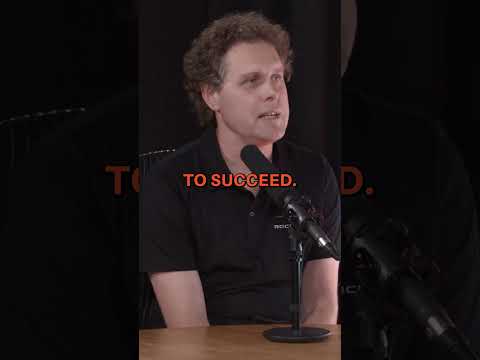
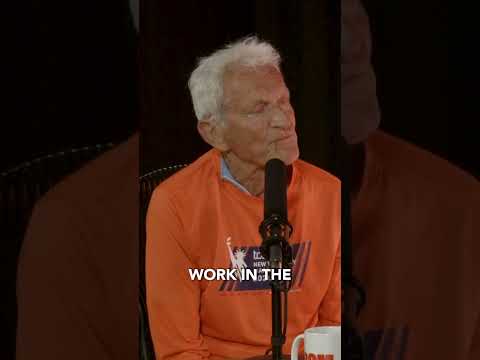
The Tāme Iti Story
Ask about Dom Harvey
Episode Description
They called him a radical, a rebel, even a terrorist.
But today, Tāme Iti calls himself a healer, an artist, and a teacher.
In this powerful kōrero, Tāme reflects on the moments that defined his life - from the protests and the Tūhoe raids to his time in prison and the process of forgiveness that followed.
Watch and listen now wherever you get your podcasts!
Read the full transcriptHide the full transcript
- This is what the future look like. You're looking at it. Here we are 30, 40 years later. Bus loads of guys. You got
- doctors with a mo. You got politician with a moi was one of those. And she was one of the
- first um [music] recognized person in mainstream media. He was uh reading the news with the Mokawway. So the mo like
- the language in bringing the language onto the platform. It's no longer tucked down in the corner. What sort of
- reaction did you get from people? Was [music] it um admiration or >> most of admiration? Yeah. They they
- thought that it suited me at that time and they thought anybody where the m is you. The only negative thing was they
- going to bars around the country where they have notice on their board saying those with facial markings [music] not
- allowed to be in this place. >> Really? >> Oh yeah. Yeah. >> You you could you think that
- distinguished the difference between the debate [music] about it? I don't refuse
- to go until you remove that uh negative uh tone [music] about the uh the mole.
Brief Summary
The episode covers facial markings in media, public reactions, and discrimination faced by individuals with such features.
Key points
- Facial Markings and Bar Restrictions. Facial markings lead to exclusion from bars across the country.