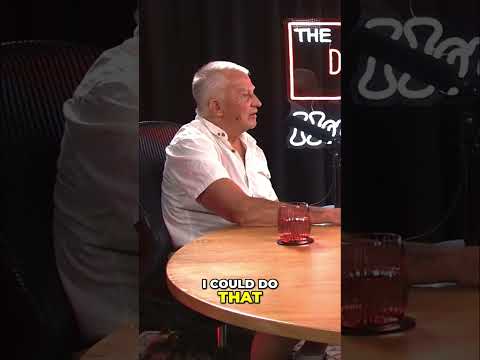
Top NZ Criminologist Was Once a Drug Dealer
Ask about Dom Harvey
Episode Description
He dealt heroin at university. Got arrested. Did five years in maximum security.
Then came out and became one of New Zealand's most respected criminologists.
Greg Newbold has lived two lives that shouldn't belong to the same person - and he's never been more honest about either of them than he is right here.
This man has some incredible stories - and he tells them just as they happened.
New episode live now! Watch or listen wherever you get your podcasts.
Read the full transcriptHide the full transcript
- If it hadn't been for drugs, I wouldn't have broken the law. I wouldn't have gone that way. I wouldn't have become a
- burglar. I wouldn't have become a robber. Mhm. I was just a drug offender because I wanted to
- have some fun. What reduces your likelihood of becoming a criminal >> Mhm. is your upbringing.
- >> Yeah. >> Primarily. And if you've been bashed around and and badly parented or
- serially parented or suffered parental abdication when you're young, you're likely to go off the rails. And
- there was a saying amongst the Maoris, "The prison's full of Maoris and the visiting rooms full of Pakehas." Mhm.
- With the Maoris didn't get visits. They came from these really dysfunctional >> dysfunctional, chaotic, splintered
- environments. That's a big factor. I mean, I had my family backing me up. I had my dad and my mom visiting me
- regularly. You've got to have those same people who visiting you when you're when you're in jail, they're standing
- for you and helping you when you get out.
Brief Summary
Upbringing influences criminal behavior; family support is crucial.
Key points
- The Impact of Upbringing. Upbringing plays a crucial role in determining one's likelihood of becoming a criminal.
- Dysfunctional Environments. Many individuals come from chaotic backgrounds, which significantly influences their life choices.